
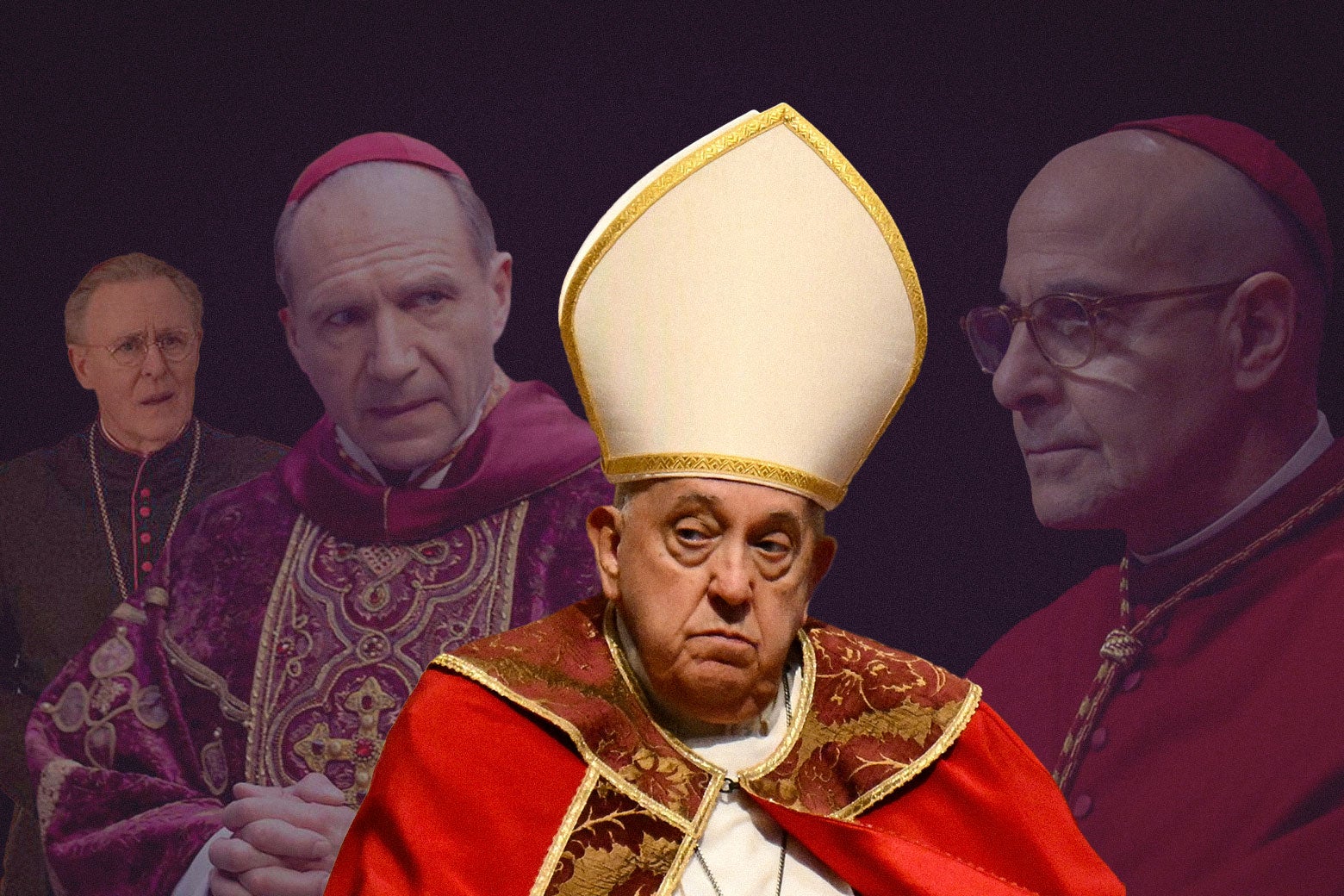
Unveiling the Truth Behind “Conclave”: A Cinematic Reflection of Vatican Realities
The newly released film “Conclave” has quickly captured the attention of audiences and critics alike, not just for its engaging narrative but also for its startling parallels to real-life events within the Vatican. This cinematic portrayal invites viewers to explore the intricate layers of power, secrecy, and spirituality that characterize the Catholic Church’s highest echelons. As the film unfolds, it becomes evident that the story is more than mere fiction; it is a mirror reflecting the complexities of an institution steeped in history, controversy, and profound significance.
Understanding the Context: The Significance of the Conclave
The conclave is a critical event in the Catholic Church, representing the process through which a new pope is elected. This ancient ritual, steeped in tradition, occurs in the Sistine Chapel, where cardinals gather to deliberate and vote on the next spiritual leader of over a billion Catholics worldwide. The secrecy surrounding the conclave, coupled with the immense political and spiritual stakes involved, creates an atmosphere ripe for intrigue and speculation.
Historically, the conclave has been a battleground for factions within the church, each vying for influence and control. The portrayal of this tension in “Conclave” resonates with actual events, such as the 2013 papal conclave that elected Pope Francis. This event was marked by significant behind-the-scenes maneuvering and the clash of traditionalist and reformist agendas, reflecting the broader challenges facing the church in the modern world.
Parallels to Reality: Themes Explored in “Conclave”
“Conclave” delves into various themes that echo real-world scenarios within the Vatican:
- Power Struggles: The film highlights the intense rivalries among the cardinals, mirroring the historical power struggles documented in church history. The 2013 conclave, for instance, saw factions supporting various candidates based on ideological lines, reminiscent of the film’s narrative.
- Secrecy and Transparency: The conclave’s secretive nature raises questions about transparency within the church. This theme is reflected in various scandals that have plagued the Vatican, including abuse cover-ups and financial mismanagement.
- Spirituality vs. Politics: The film tackles the delicate balance between spiritual leadership and political maneuvering, a tension that has been at the heart of many papacies. The need for a pope who can navigate both spiritual guidance and the complexities of church governance is a pressing concern highlighted in the movie.
Real-Life Influences on the Storyline
The creators of “Conclave” drew inspiration from pivotal moments and figures in church history, incorporating these elements to enrich the narrative. Notably, the film references:
- The Vatican II Council: Held from 1962 to 1965, this ecumenical council aimed to address relations between the Catholic Church and the modern world. The outcomes of Vatican II continue to influence discussions around church reform.
- Recent Papacies: The contrasting styles of popes, notably the reformist approach of Pope Francis versus the more conservative stance of his predecessors, are woven into the film’s plot, raising questions about the future direction of the church.
The Broader Implications of “Conclave”
The release of “Conclave” comes at a time when the Catholic Church is grappling with numerous challenges, including declining attendance, the impact of sexual abuse scandals, and the need for reform. The film serves as a catalyst for discussions surrounding these issues, prompting viewers to reflect on the church’s role in contemporary society.
Moreover, the portrayal of the conclave can influence public perception and understanding of the church’s inner workings. By dramatizing the electoral process, “Conclave” encourages viewers to consider the complexities of leadership within a global institution.
Critical Reception and Audience Engagement
Critics have lauded “Conclave” for its gripping narrative and its ability to raise pertinent questions about faith, politics, and the human condition. Viewer engagement has been high, with audiences drawn not only to the storyline but also to the underlying issues it addresses. Social media discussions have erupted around the themes of the film, further amplifying its impact.
In addition, the film has sparked interest in the history of the Catholic Church, leading to an uptick in viewership of documentaries and literature exploring the Vatican’s role in global affairs. This renewed interest may help bridge the gap between faith and skepticism, fostering a more nuanced understanding of the institution.
Conclusion: A Reflection of Our Times
“Conclave” is more than just a film; it is a compelling exploration of the intersection of faith, power, and human complexity. By mirroring real-life events and themes related to the Vatican, it invites its audience to engage with the challenges and triumphs of one of the world’s oldest institutions.
The film encourages a dialogue that transcends the screen, prompting reflections on how the Catholic Church can navigate its future amid societal changes and internal strife. As viewers leave the theater, they are left not only with entertainment but also with a deeper understanding of an institution that continues to shape the lives of millions around the globe.
See more CNET Live