
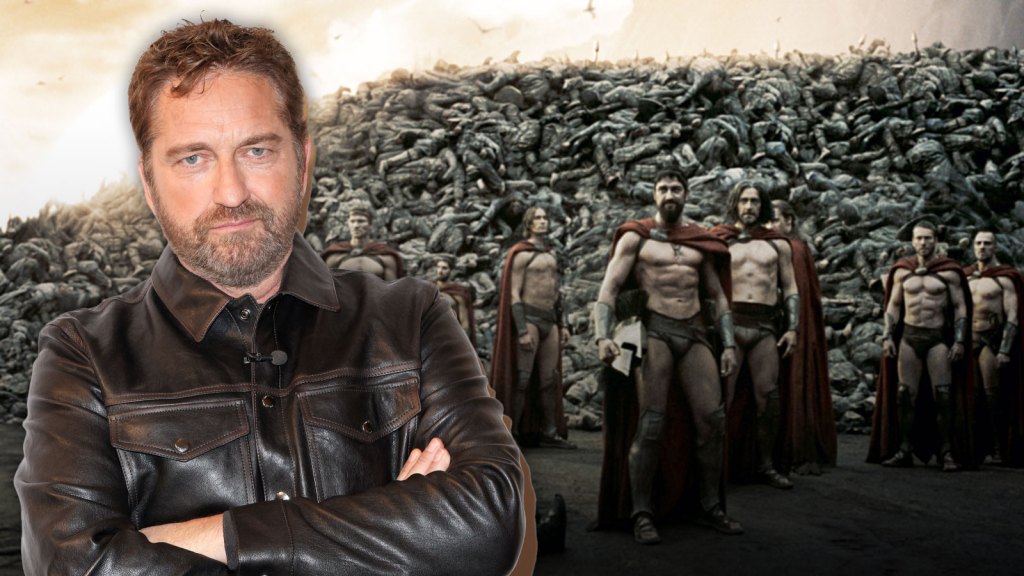
Behind the Scenes of ‘300’: Gerard Butler Reveals the Harrowing Reality of Filming
When the film 300 hit theaters in 2006, it took the world by storm with its striking visuals and epic storytelling. Directed by Zack Snyder and based on Frank Miller’s graphic novel, the movie showcased the valor and might of the Spartan warriors during the Battle of Thermopylae. However, what many viewers might not know is the grueling reality the cast and crew faced behind the scenes. In an exclusive interview, Gerard Butler, who played the iconic role of King Leonidas, opened up about the physical toll, unexpected challenges, and sacrifices that defined the making of this cinematic masterpiece. Let’s delve into the harrowing details that shaped the film and its legacy.
The Physical Demands of Spartan Training
One of the first things that Gerard Butler revealed during our conversation was the intense training regimen he and his co-stars underwent to prepare for their roles. The transformation into Spartan warriors required a level of physicality that was nothing short of extraordinary.
- Rigorous Workouts: Butler recounted spending hours daily in the gym, lifting weights and honing his combat skills. The training was designed not just to build muscle but to develop endurance and agility, essential for the epic battle scenes.
- Martial Arts Training: The cast engaged in various forms of martial arts, including sword fighting and hand-to-hand combat techniques. This preparation was crucial to ensure that the fight sequences looked authentic and impactful.
- Nutrition Plans: Alongside intense workouts, Butler followed a strict diet, consuming high-protein meals while avoiding unhealthy snacks. The commitment to fitness was a necessity for portraying the fierce and disciplined Spartan warriors accurately.
However, the physical toll of this training was immense. Butler described the pain and exhaustion that came with such a demanding schedule, often pushing his body to its limits. “There were days I thought I wouldn’t be able to continue,” he admitted. “But we were all in it together, supporting one another.”
Shooting Challenges and the Harsh Reality of Filming
Filming 300 presented its own set of challenges that went beyond physical training. The production relied heavily on green screen technology to create the film’s unique visual style, a process that was both innovative and taxing.
- Long Hours on Set: Butler shared that long shooting hours were the norm, often stretching late into the night. The crew worked tirelessly to capture the stunning visuals that defined the film. “We were exhausted, but we knew we were creating something special,” he reflected.
- Extreme Temperatures: The cast faced extreme conditions while filming in the hot studios. The heat was relentless, and with the heavy costumes, it often felt like they were fighting battles on two fronts: against their enemies and against the elements.
- Injury Risks: The fight scenes, while choreographed, came with inherent risks. Butler mentioned a few close calls during intense sequences where he or his co-stars could have been seriously injured. “We put everything on the line for those scenes, and it was worth it,” he noted.
The Emotional Toll of the Role
In addition to the physical challenges, Butler revealed the emotional toll of portraying King Leonidas. The character embodies sacrifice, leadership, and bravery, qualities that required Butler to dig deep into his own reserves of strength and vulnerability.
“I had to connect with the anger and the passion of a leader who knows his people are facing overwhelming odds,” he explained. This emotional engagement was challenging but led to a powerful performance that resonated with audiences worldwide. The pressure of maintaining that intensity throughout filming contributed to moments of vulnerability, which, according to Butler, were essential for delivering an authentic portrayal of heroism.
The Legacy of ‘300’
Despite the challenges faced during filming, 300 became a cultural phenomenon. It not only set a benchmark for stylized action films but also revitalized interest in historical epics. The film achieved commercial success and garnered critical acclaim, solidifying Butler’s position as a leading man in Hollywood.
“Looking back, it’s hard to believe what we went through,” Butler reflected. “But the camaraderie we built, the stories we shared, and the sacrifices we made all contributed to something that people still talk about today.” The legacy of 300 continues to influence filmmakers and inspire audiences, serving as a testament to the power of storytelling and the dedication of those who bring such tales to life.
The Importance of Teamwork in Overcoming Challenges
One of the most profound insights Butler shared was the importance of teamwork during the making of 300. The sense of solidarity among the cast and crew was palpable, and it was this bond that helped them overcome the numerous challenges they faced.
- Support Systems: The actors often relied on each other for motivation, whether it was during grueling training sessions or long days on set. “We were a family, and that made all the difference,” Butler said.
- Shared Experiences: The shared hardships created a unique camaraderie that translated into their performances. Each actor brought their personal struggles and triumphs to the screen, enhancing the emotional depth of the film.
Conclusion: A Testament to Perseverance and Passion
Behind the scenes of 300 lies a story of perseverance, sacrifice, and passion. Gerard Butler’s revelations shed light on the harrowing reality of filming this iconic movie, illustrating the lengths to which the cast and crew went to bring the story of the Spartans to life. Their dedication not only resulted in a visual spectacle but also forged lasting bonds that transcended the film itself.
As we celebrate the legacy of 300, it’s essential to acknowledge the unseen efforts that transformed a script into a cinematic masterpiece. The film stands as a testament to what can be achieved through hard work, resilience, and a shared vision, inspiring future generations of filmmakers and actors to embrace the challenges that come with their craft.
See more CNET Live