
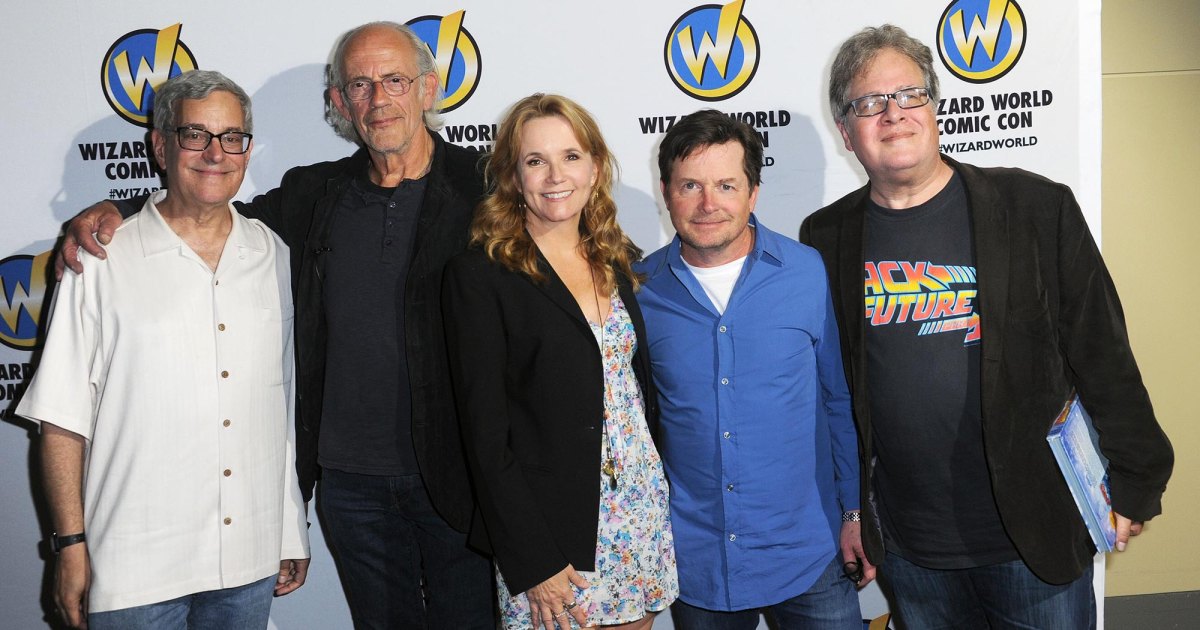
Back to the Future’ Co-Writer Claps Back at Sequel Demands: A Bold Rejection
In a recent wave of nostalgia-driven discussions, the co-writer of the beloved film ‘Back to the Future,’ Bob Gale, has made headlines with a firm and unequivocal rejection of the persistent sequel demands from fans. This bold stance has reignited conversations surrounding the enduring legacy of the franchise, highlighting the complexities of revisiting classic films in today’s cinematic landscape. Gale’s comments not only reflect his commitment to the integrity of the original work but also delve deeper into the implications of sequels in the film industry.
The Context Behind the Rejection
The ‘Back to the Future’ franchise, which debuted in 1985, has become a cultural touchstone, beloved by multiple generations. With its innovative storytelling, memorable characters, and groundbreaking visual effects, it quickly climbed the ranks of all-time great films. The original movie, followed by two sequels, established a rich universe that many fans wish to explore further. However, Gale’s recent remarks make it clear that he believes the story has reached its natural conclusion.
In interviews, Gale stressed that the time travel narrative, which originally captivated audiences, is intricately tied to the characters’ journeys and the era in which they were created. He expressed concerns that any attempt to resurrect the franchise could tarnish its legacy. This sentiment resonates with many filmmakers and writers who grapple with the tension between artistic integrity and commercial demand.
Why Sequels Can Be Risky
Sequels often come with high expectations, and the risk of disappointing fans looms large. Here are several reasons why revisiting a classic can be problematic:
- Changing Audience Dynamics: Modern audiences have different tastes and expectations compared to those of the 1980s. What worked then may not resonate now.
- Character Integrity: Many beloved characters have completed their arcs. Trying to force new developments can feel inauthentic.
- Creative Fatigue: Writers may struggle to recapture the magic that made the original successful, leading to a derivative or uninspired sequel.
- Market Saturation: The film industry is already filled with remakes and reboots, leading to audience fatigue with familiar stories.
Gale’s rejection of a sequel can be seen as a protective measure for the franchise’s integrity. He firmly believes that the original trilogy stands alone as a complete story, and any attempt to extend it could dilute its impact. This perspective is crucial in an era where sequels and reboots dominate box office discussions.
The Legacy of ‘Back to the Future’
The lasting impact of ‘Back to the Future’ is undeniable. It has influenced countless films and TV shows, and its cultural references continue to permeate popular media. The franchise’s unique blend of science fiction, comedy, and adventure has set a benchmark for storytelling. Here are a few elements that have contributed to its enduring legacy:
- Innovative Storytelling: The concept of time travel is executed with a clever narrative structure that intertwines humor with heartfelt moments.
- Iconic Characters: Marty McFly and Doc Brown have become archetypes in cinema, symbolizing friendship and the quest for adventure.
- Cultural References: Phrases like “flux capacitor” and “1.21 gigawatts” have entered the lexicon, showcasing the film’s cultural footprint.
- Technical Achievements: The special effects and production design, especially for the DeLorean time machine, were groundbreaking at the time.
Fan Reactions and Industry Implications
Gale’s bold rejection has stirred mixed reactions among fans and industry insiders. While some supporters appreciate his dedication to preserving the original’s integrity, others express disappointment, yearning for more adventures in the ‘Back to the Future’ universe. This divide illustrates a broader trend in the film industry, where nostalgia often collides with the desire for originality.
Furthermore, the film industry is in a constant state of evolution, with streaming services and franchises taking center stage. The demand for sequels and reboots is not just a fan phenomenon; it’s also a strategic move for studios looking to capitalize on established intellectual properties. The challenge lies in balancing commercial interests with artistic vision.
Looking Toward the Future
While Gale’s firm stance on not creating a sequel may leave some fans feeling disheartened, it also opens the door for discussions about the future of storytelling in cinema. Here are some potential directions the industry could explore:
- Original Content: Encouraging filmmakers to create new stories that resonate with today’s audiences can lead to fresh narratives.
- Reviving Classic Themes: Instead of direct sequels, creators can explore similar themes or ideas in new settings, allowing for innovation while paying homage to the original.
- Documentaries and Retrospectives: As seen with recent nostalgia trends, creating documentaries on the making of iconic films can satisfy fans without compromising original works.
The Final Word
In a time when the film industry often leans heavily on nostalgia, Bob Gale’s resolute rejection of sequel demands for ‘Back to the Future’ serves as a reminder of the importance of creative integrity. While the desire for more content is understandable, preserving the legacy of a cherished classic should take precedence. As audiences evolve and the industry adapts, it’s essential to cherish the stories that have already been told while paving the way for new narratives that can capture the imagination of future generations.
Ultimately, Gale’s stance invites us to reflect on what makes a story timeless and the significance of letting beloved characters rest rather than forcing them into new adventures. The legacy of ‘Back to the Future’ remains intact, a shining example of creativity that stands the test of time, untouched by the commercial pressures of sequels.
See more CNET Live