
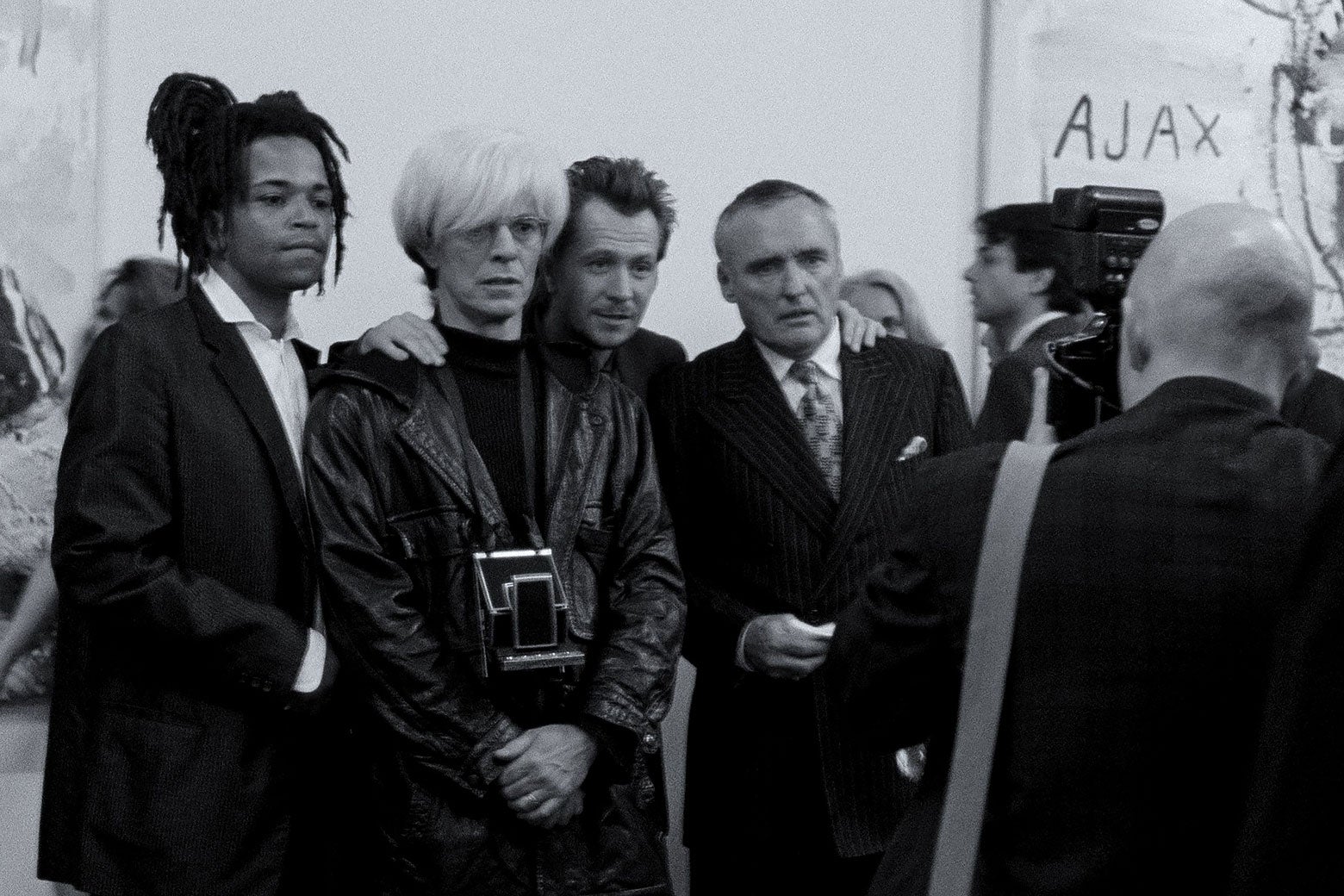
Unveiling the Art: David Bowie’s Unexpected Role as Andy Warhol in the Basquiat Film
In a bold casting move that blurred the lines between music and visual art, the late David Bowie stepped into the shoes of pop art legend Andy Warhol for the 1996 biopic Basquiat. Directed by artist Julian Schnabel, the film explored the life of Jean-Michel Basquiat, the meteoric graffiti artist turned neo-expressionist painter. Bowie’s portrayal of Warhol—a mentor and controversial figure in Basquiat’s life—offered a mesmerizing intersection of two cultural icons, revealing deeper artistic connections between the men both on and off-screen.
The Unconventional Casting Decision
When Schnabel announced Bowie’s casting as Warhol, the decision raised eyebrows but also intrigued critics and fans alike. Bowie, a chameleonic musician known for his theatrical personas, had limited acting experience but brought an innate understanding of artistic reinvention—a trait he shared with Warhol. Schnabel later explained, “David didn’t just play Warhol; he channeled him. Their souls were cut from the same cloth—both were architects of their own mythologies.”
Key factors made Bowie an inspired choice:
- Physical Resemblance: With a platinum wig and Warhol’s signature deadpan delivery, Bowie transformed visually.
- Artistic Symbiosis: Both men thrived on merging high art with pop culture.
- Personal Connection: Bowie had briefly met Warhol in the 1970s and admired his work.
Bowie’s Preparation and Performance
To embody Warhol, Bowie immersed himself in the artist’s world. He studied interviews, adopted Warhol’s distinctive monotone voice, and even replicated his habit of recording conversations. Art historian Dr. Lila Fernandez notes, “Bowie captured Warhol’s paradox—his detached demeanor masking deep curiosity. It wasn’t mimicry; it was interpretation.”
The performance resonated with audiences, particularly in scenes depicting Warhol’s complex relationship with Basquiat (played by Jeffrey Wright). Bowie’s Warhol oscillated between paternal concern and aloofness, mirroring real-life accounts of their fraught mentorship. Schnabel’s decision to cast musicians—including Courtney Love as Edie Sedgwick—added a layer of authenticity to the film’s bohemian milieu.
Artistic Parallels Between Bowie and Warhol
Beyond the film, Bowie and Warhol shared striking similarities:
- Cultural Disruption: Both challenged norms in their respective fields—Warhol with his Campbell’s Soup Cans, Bowie with Ziggy Stardust.
- Collaborative Spirit: They thrived on partnerships (Warhol with Basquiat, Bowie with Brian Eno).
- Legacy of Reinvention: Each constantly evolved their public personas.
Bowie’s casting, therefore, felt less like stunt acting and more like a homage. As critic Mark Dery observed, “The film became a hall of mirrors—Bowie playing Warhol watching Basquiat, each reflecting the other’s genius and vulnerabilities.”
Reception and Lasting Impact
While Basquiat received mixed reviews, Bowie’s performance was universally praised. The New York Times called it “uncanny and poignant,” while Rolling Stone noted how Bowie’s star power lent Warhol an eerie gravitas. The role also influenced Bowie’s later work; his 1997 album Earthling incorporated visual art themes, possibly inspired by his deep dive into Warhol’s world.
Today, the film remains a touchstone for discussions about art, fame, and mentorship. Retrospectives often highlight Bowie’s portrayal as a masterclass in cross-disciplinary artistry.
Conclusion: A Legacy of Intertwined Icons
Bowie’s turn as Warhol underscores how art forms collide and inspire one another. His performance not only honored Warhol but also highlighted their shared ethos—the belief that art should provoke, transform, and transcend. For fans of either icon, Basquiat offers a rare glimpse into a moment when music, painting, and cinema intersected seamlessly.
Call to Action: Revisit Bowie’s performance in Basquiat, now streaming on Criterion Channel, and explore how two legends mirrored each other’s brilliance.
See more CNET Live