
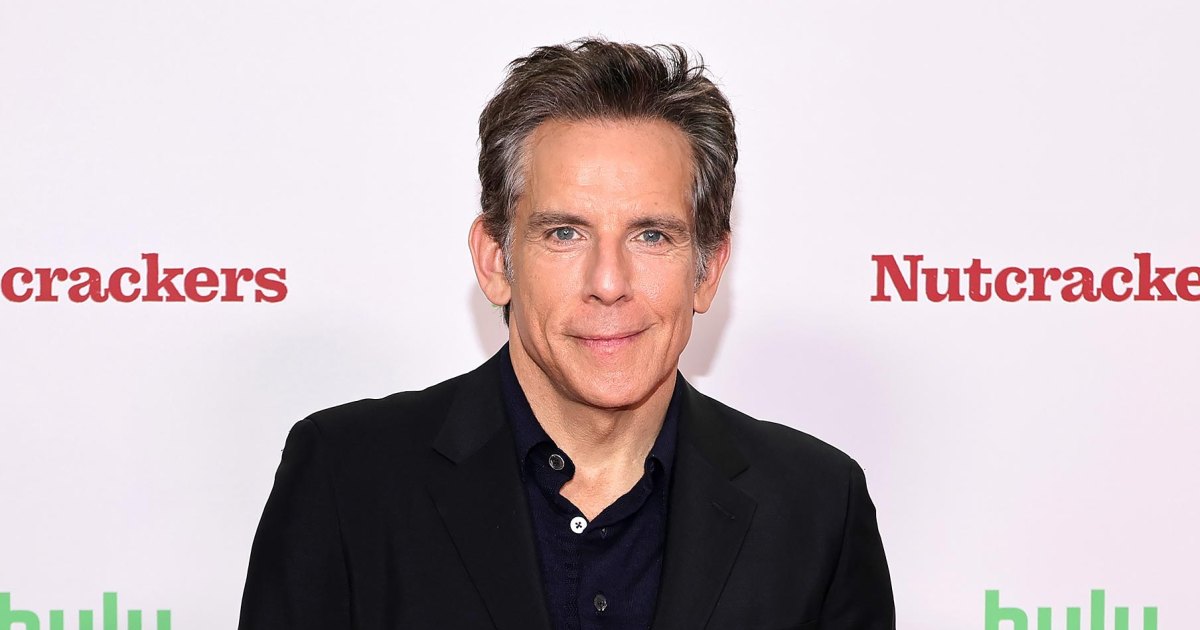
Unraveling the Mystery: Why Ben Stiller Abandoned SNL After Just Four Episodes
In the realm of television comedy, few platforms are as iconic as Saturday Night Live (SNL). The show has launched the careers of countless comedians and actors, making it a rite of passage for many in the entertainment industry. However, not every journey on SNL has been a lengthy one, and one notable example is that of Ben Stiller. His brief stint, spanning only four episodes during the 1989-1990 season, left fans and critics alike pondering the reasons behind his sudden departure. This article delves into the factors surrounding Stiller’s exit, the impact it had on his career, and the broader context of his time on the show.
The Allure of SNL
For many comedians, SNL represents the pinnacle of live sketch comedy—a chance to showcase their talents on a national stage. The show has had a storied history, featuring a mix of seasoned performers and fresh faces. When Ben Stiller joined the cast, he was part of a new wave of talent that included the likes of Mike Myers and Adam Sandler. However, Stiller’s time on the show was marked by challenges that ultimately led to his departure.
Behind the Scenes: The SNL Experience
To understand why Ben Stiller abandoned SNL after just four episodes, it’s essential to explore the environment and dynamics of the show’s production. The fast-paced nature of SNL can be daunting for even the most seasoned performers. Here are a few factors that contributed to Stiller’s experience:
- Creative Differences: Stiller, known for his unique comedic style, often felt at odds with the show’s established format. His sketches sometimes clashed with the broader vision of the producers, leading to frustration.
- High Pressure Environment: The weekly grind of SNL demands a significant amount of creativity and stamina. For someone like Stiller, who had a distinct comedic voice, adapting to the show’s rhythm may have been challenging.
- Competition: The pressure to stand out among a talented cast can be overwhelming. Stiller found himself in a competitive atmosphere that may not have aligned with his comedic approach.
Stiller’s Unique Comedy Style
Ben Stiller’s comedy often revolves around satire and character-driven sketches, which differ from the more traditional sketch formats that SNL is known for. This divergence in style is significant and raises questions about the adaptability required to thrive on the show. Stiller’s inclination for absurdity and dark humor might not have found the right audience within the SNL framework, leading to a disconnect that contributed to his early exit.
The Impact of Stiller’s Departure
Ben Stiller’s decision to leave SNL after just four episodes was undoubtedly a pivotal moment in his career. While it may have seemed like a setback at the time, this short-lived experience opened doors to new opportunities that would ultimately shape his trajectory as a comedian and filmmaker.
- Transition to Film: After his departure from SNL, Stiller shifted his focus to film. He starred in and directed several successful projects, including “Reality Bites,” “There’s Something About Mary,” and the “Night at the Museum” series, which solidified his status as a leading man in Hollywood.
- Creation of The Ben Stiller Show: Stiller’s experience on SNL inspired him to create “The Ben Stiller Show,” a sketch comedy series that allowed him to fully explore his creative vision. The show gained critical acclaim and won an Emmy Award, showcasing Stiller’s ability to thrive outside the constraints of SNL.
- Cultivating a Distinct Brand: Stiller’s exit from SNL helped him carve out a niche for himself in the entertainment industry. He became known for his unique brand of humor, which resonated with audiences and set him apart from his peers.
Reflecting on the Experience
Years later, Ben Stiller has reflected on his time at SNL, acknowledging the experience as a valuable learning opportunity. Although his departure was unexpected, it served as a catalyst for his growth as a performer and director. Stiller’s ability to pivot from a challenging situation to a thriving career is a testament to his resilience and creativity.
The Broader Context of SNL’s Evolution
Stiller’s brief time on SNL also sheds light on the show’s evolution over the years. SNL has undergone numerous changes in cast, format, and style since its inception in 1975. The pressure to remain relevant in a rapidly changing media landscape has led to both successes and failures. Stiller’s exit is just one of many instances where a talented performer could not fully adapt to the SNL environment.
Lessons from Stiller’s Journey
Ben Stiller’s experience with SNL serves as an important reminder that not every opportunity will yield immediate success. The entertainment industry is rife with ups and downs, and Stiller’s ability to learn from his brief tenure on SNL ultimately contributed to his growth as an artist. Here are a few lessons we can draw from his journey:
- Adaptability is Key: The ability to adapt to new environments and challenges is crucial in any field, especially in entertainment.
- Embrace Creative Differences: Identifying and embracing one’s unique style can lead to distinctive opportunities, even if it means stepping away from traditional paths.
- Resilience Pays Off: Overcoming setbacks and using them as a springboard for future success can lead to a more fulfilling career.
Conclusion
In conclusion, the mystery surrounding why Ben Stiller abandoned SNL after just four episodes can be attributed to a combination of creative differences, the high-pressure environment, and his unique comedic style. While his departure may have seemed abrupt, it ultimately paved the way for a successful career filled with innovative projects and memorable performances. Stiller’s journey serves as an inspiring reminder that sometimes, what seems like a setback can be a catalyst for greater achievement in the world of entertainment.
See more CNET Live