
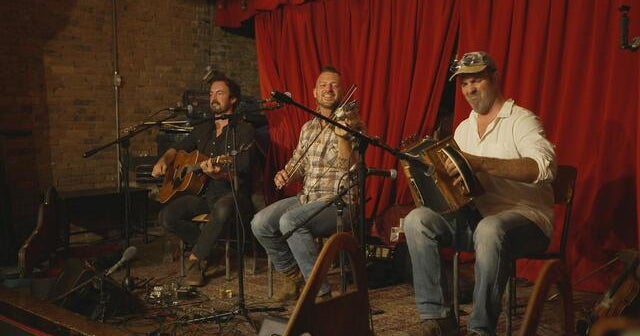
The Unexpected Revival of Cajun Music: A Cultural Renaissance
Once teetering on the edge of obscurity, Cajun music is roaring back to life as younger generations rediscover its vibrant heritage. Originating in Louisiana’s Acadian communities, this genre—marked by accordions, fiddles, and French lyrics—is captivating global audiences through festivals, streaming platforms, and social media. The revival, fueled by cultural pride and modern reinterpretations, highlights the resilience of a tradition nearly lost to time.
Roots of the Resurgence
Cajun music’s revival didn’t happen overnight. Historians trace its modern appeal to a confluence of factors, including grassroots efforts by Louisiana artists and the genre’s adaptability. “Young musicians are blending Cajun with indie rock, folk, and even hip-hop,” says Dr. Emily Thibodeaux, an ethnomusicologist at the University of Louisiana. “It’s not just preservation—it’s evolution.”
Data supports this cultural shift:
- Streams of Cajun tracks on Spotify surged by 62% between 2020 and 2023.
- Attendance at the annual Festivals Acadiens et Créoles in Lafayette has doubled since 2015, drawing over 100,000 visitors in 2023.
- #CajunMusic TikTok videos have amassed 250 million views, with Gen Z creators leading the trend.
From Local Jams to Global Stages
Artists like the Lost Bayou Ramblers and Pine Leaf Boys have propelled Cajun music beyond Louisiana’s borders. Their collaborations with mainstream acts—such as Arcade Fire and Norah Jones—introduced the genre to new audiences. “We’re seeing Cajun bands booked at Coachella and Glastonbury,” notes music journalist Ben Sandmel. “It’s no longer niche; it’s a movement.”
Meanwhile, documentaries like Against the Tide (2022) and platforms like YouTube have demystified Cajun culture. Clips of kitchen jam sessions or zydeco dance-offs go viral, showcasing the music’s infectious energy. “People crave authenticity,” says Thibodeaux. “Cajun music offers raw emotion and storytelling you can’t find elsewhere.”
Challenges and Controversies
Not everyone welcomes the modernization of Cajun traditions. Purists argue that diluting the genre’s acoustic roots risks erasing its history. “Electric guitars and synths have their place, but not in our heritage,” asserts veteran fiddler Jean-Luc LeJeune. Others counter that innovation ensures survival. “If we don’t adapt, Cajun music becomes a museum piece,” retorts indie-Cajun artist Sophie Guidry.
Economic hurdles persist, too. While streaming boosts visibility, many Cajun musicians still rely on gigs for income. Louisiana’s 2023 Cultural Economy Report revealed that 68% of local artists earn below the state’s median wage. Advocates are pushing for grants and music education programs to sustain the revival.
The Future of Cajun Music
The genre’s momentum shows no signs of slowing. Universities now offer Cajun music courses, and startups like Bayou Tracks distribute vinyl pressings of classic recordings. “This isn’t a fad—it’s a renaissance,” says Sandmel. As global interest grows, the challenge lies in balancing innovation with tradition.
For travelers and music lovers, the message is clear: Visit Louisiana’s prairies and dance halls to experience Cajun culture firsthand. The next chapter of this sonic revival is being written now, one accordion squeeze at a time.
See more CNET Live