
Command & Conquer: EA’s Bold Move to Open Source Classic Games
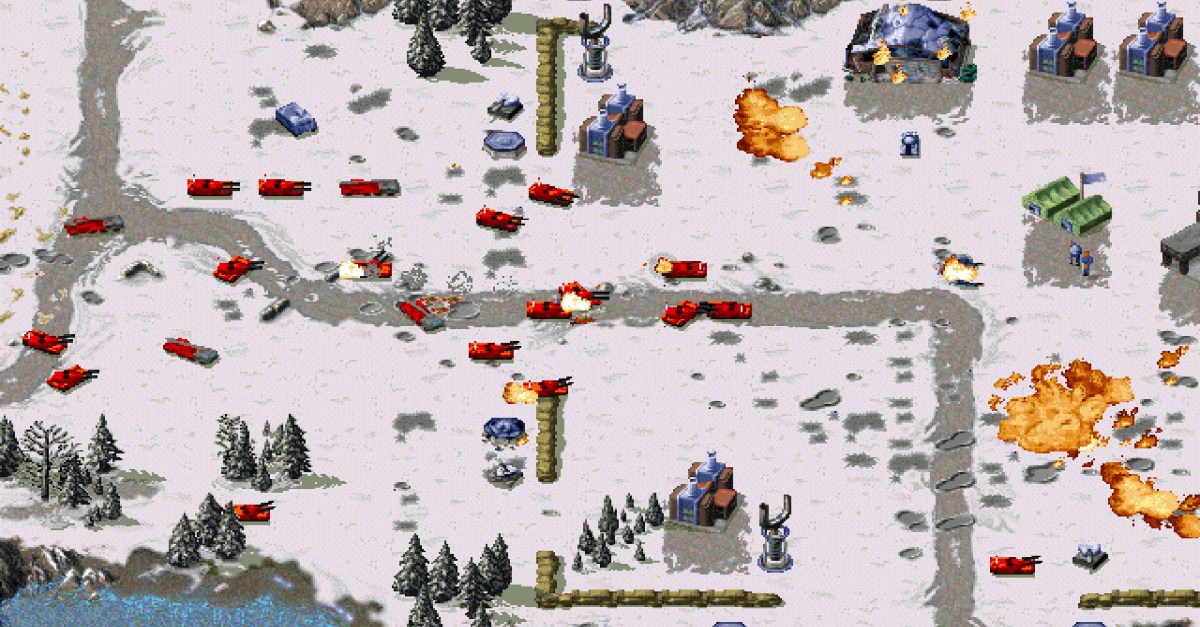
In a landmark decision that has sent ripples through the gaming community, Electronic Arts (EA) has chosen to open source four classic titles from its iconic Command & Conquer series. This bold move not only safeguards the legacy of these beloved games but also paves the way for a new generation of developers and fans to engage with, innovate, and expand upon the foundational elements that made these titles so influential in the realm of real-time strategy (RTS) gaming.
The Significance of Open Sourcing
Open sourcing games allows developers and enthusiasts to access the original source code, enabling them to modify, adapt, and enhance the game in myriad ways. This approach provides several key benefits:
- Preservation: By releasing the source code, EA ensures that these classic titles can be played on modern systems, preventing them from fading into obscurity.
- Community Engagement: Open sourcing invites players to become contributors, fostering a collaborative environment where ideas can flourish.
- Innovation: Developers can create mods or entirely new games inspired by the originals, thus revitalizing the gaming experience for both old and new audiences.
With this initiative, EA acknowledges the importance of community in preserving game history and encourages fans to take an active role in shaping the future of these classics.
A Closer Look at the Titles Released
The four Command & Conquer titles that have been open sourced include:
- Command & Conquer (1995): The game that started it all, featuring the epic struggle between the Global Defense Initiative (GDI) and the Brotherhood of Nod.
- Command & Conquer: Red Alert (1996): A fan-favorite set in an alternate history where the Soviet Union seeks to dominate Europe.
- Command & Conquer: Tiberian Sun (1999): The sequel that introduced significant gameplay innovations and expanded the lore of the Tiberium universe.
- Command & Conquer: Yuri’s Revenge (2001): An expansion pack to Red Alert 2, adding new factions and gameplay mechanics, beloved for its memorable characters and storylines.
Each of these titles has played a critical role in shaping the RTS genre, and their open sourcing marks a significant moment in gaming history.
Why Now? EA’s Strategic Decision
EA’s decision to open source these games comes amidst a growing trend in the gaming industry towards embracing community-driven content. With nostalgia marketing on the rise and classic games gaining renewed interest, EA recognizes the potential of leveraging its legacy.
By allowing the community to take ownership of these titles, EA not only enhances its brand image but also creates a sustainable model for future game development. This strategic move aligns with the changing landscape of gaming, where player engagement and community involvement are paramount.
The Impact on the Gaming Community
The open sourcing of the Command & Conquer series has already sparked excitement among fans and developers alike. Here are some of the anticipated impacts:
- Modding Opportunities: Fans have already begun discussing potential mods and enhancements, which could breathe new life into the games and attract a younger audience.
- Educational Resources: The availability of source code provides a valuable learning tool for aspiring developers, allowing them to study and understand the mechanics of successful game design.
- Community Projects: Collaborations may emerge, leading to remakes or entirely new projects inspired by the original games, similar to the successes seen with projects like OpenRA.
This initiative could very well lead to a renaissance of the Command & Conquer series, with new narratives and gameplay experiences emerging from the community itself.
Challenges and Considerations
While the decision to open source these titles is largely seen as positive, there are challenges and considerations to keep in mind:
- Quality Control: With many new developers entering the scene, maintaining a standard of quality in mods and adaptations could be challenging.
- Intellectual Property: EA must navigate the complexities of intellectual property rights, ensuring that the legacy of the original games is respected while encouraging innovation.
- Support and Maintenance: As the community takes over, there may be a need for EA to support these projects, providing necessary updates and addressing technical issues.
Addressing these challenges will be crucial for the success of this initiative and the future of the Command & Conquer franchise.
Looking Ahead: The Future of Command & Conquer
As we look to the future, the open sourcing of Command & Conquer represents more than just a nostalgic trip down memory lane. It is an invitation to innovate, a chance for new stories to be told, and an opportunity for the gaming community to come together in creative collaboration.
This move could also encourage other companies to consider similar strategies for their classic titles, potentially leading to a broader trend in the industry. The preservation of gaming history through open source initiatives could become a norm, ensuring that future generations can enjoy and learn from the classics that shaped the industry.
Conclusion
Electronic Arts’ decision to open source four iconic Command & Conquer titles is a momentous step in gaming history. It not only preserves the legacy of these classic games but actively engages the community in fostering innovation and creativity. As developers and fans begin to explore the possibilities, we can only imagine the new adventures that await within these beloved realms. The future of Command & Conquer is bright, and it is now in the hands of the very community that has cherished it for decades.
See more CNET Live