
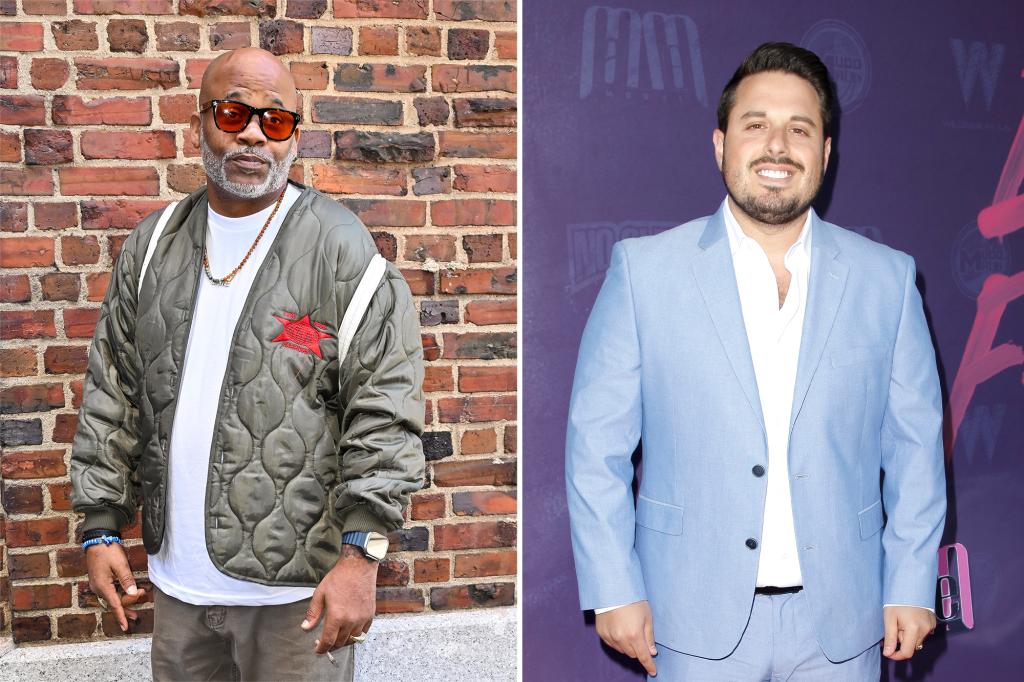
Damon Dash’s $4 Million Defamation Verdict: A Legal and Cultural Reckoning
In a stunning legal blow, Damon Dash, the co-founder of Roc-A-Fella Records, has been ordered to pay $4 million for defaming filmmaker Josh Webber. The New York Supreme Court ruling, issued on June 10, 2024, stems from Dash’s public accusations that Webber stole footage from a documentary project. This case spotlights the escalating consequences of celebrity feuds and the fragile legacy of hip-hop’s pioneering moguls.
The Lawsuit That Shook Hip-Hop’s Inner Circle
The legal battle began in 2022 when Webber sued Dash for falsely claiming he’d “stolen and sold” footage from their collaborative film Dear Frank. Court documents reveal Dash made these allegations across multiple platforms, including Instagram and podcast interviews. Forensic evidence presented during the trial showed Webber had proper licensing agreements, dismantling Dash’s claims.
“This verdict sends a clear message that baseless public accusations carry real financial consequences,” said entertainment attorney Marcia Wright. “Even in hip-hop’s traditionally combative culture, the courts are drawing lines.”
- Verdict amount: $4,050,000 (including punitive damages)
- Key evidence: 17 separate defamatory statements by Dash
- Legal precedent: Follows increased scrutiny of celebrity social media conduct
The Rise and Fall of a Hip-Hop Visionary
Dash’s current predicament contrasts sharply with his early 2000s heyday. As Roc-A-Fella’s brash business mind, he helped build Jay-Z into a global brand before their infamous 2004 split. Financial disclosures during the trial revealed Dash’s net worth has dwindled from an estimated $50 million to potentially negative territory after multiple lawsuits.
“Damon revolutionized artist ownership but failed to adapt,” noted hip-hop historian Dr. Kenya Johnson. “His confrontational approach worked in the boardrooms of 1999 but becomes liability in today’s litigious digital landscape.”
The defamation case isn’t Dash’s first legal trouble. Since 2015, he’s faced:
- Three separate lawsuits over unpaid loans
- An IRS lien for $2.1 million in back taxes
- Multiple copyright infringement claims
The Broader Implications for Celebrity Culture
This verdict arrives as courts increasingly hold public figures accountable for online statements. A 2023 UCLA study found defamation lawsuits against celebrities rose 217% since 2018, with social media being the primary catalyst.
Legal Experts Weigh In on the Precedent
“The $4 million judgment reflects how seriously courts now view viral defamation,” explained First Amendment scholar David Klein. “Unlike the early internet era, platforms archive everything—deleted posts still count as evidence.”
However, some free speech advocates caution about chilling effects. “Artists often use hyperbolic language,” said hip-hop journalist Elliot Wilson. “If every diss track or Instagram rant becomes lawsuit fodder, we risk sanitizing the culture.”
What’s Next for Damon Dash?
With assets reportedly tied up in various legal battles, Dash faces an uphill financial recovery. Industry sources suggest he may need to:
- Liquidate remaining music rights
- Pursue reality TV opportunities
- Formally declare bankruptcy
Yet Dash’s loyalists maintain his cultural impact outweighs recent setbacks. “Dame built empires from nothing—never count him out,” tweeted rapper Cam’ron, echoing sentiments from Harlem’s hip-hop community.
Lessons for the Next Generation of Moguls
As Gen Z artists build brands in this legally precarious environment, the Dash verdict serves as a cautionary tale. Entertainment lawyers now routinely include “social media conduct” clauses in management contracts, while insurers offer defamation-specific coverage starting at $15,000 annually for mid-tier influencers.
The case also raises questions about hip-hop’s aging pioneers preserving legacies. With multiple 1990s icons facing financial or legal troubles, the Webber lawsuit may accelerate industry conversations about structured mentorship and wealth preservation.
For deeper analysis on hip-hop’s legal landscape, subscribe to our culture and business newsletter below.
See more CNET Live