
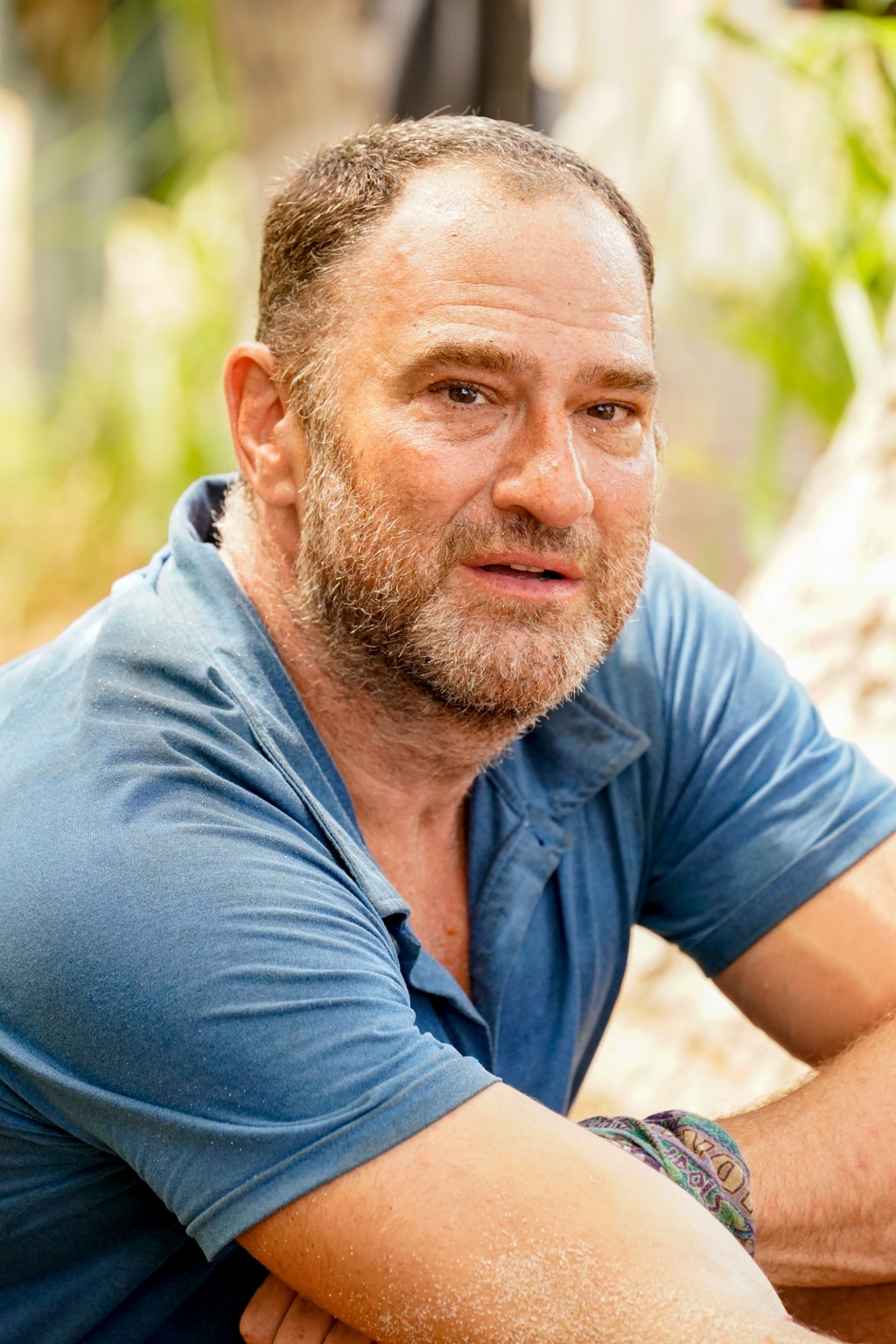
Dan Spilo’s Shocking Revelation: A Glimpse into a “Nervous Breakdown” Amidst Controversy
In a startling admission, entertainment industry figure Dan Spilo has revealed he experienced a “nervous breakdown” during the ongoing “Runner” scandal. The former talent manager, whose career became embroiled in controversy last year, made the disclosure in an exclusive statement this week, shedding light on the psychological toll of public scrutiny in high-profile disputes.
The Breaking Point: Spilo’s Candid Admission
Spilo’s emotional revelation came during a series of interviews regarding the protracted legal battle surrounding the “Runner” production. “There were moments when the pressure became unbearable,” Spilo confessed. “The constant media attention, the online vitriol—it created a perfect storm that overwhelmed my coping mechanisms.” Mental health experts suggest such admissions from public figures can help destigmatize psychological struggles.
Dr. Evelyn Carter, a clinical psychologist specializing in crisis management, notes: “High-stakes environments coupled with public shaming create textbook conditions for acute stress reactions. What Spilo describes aligns with symptoms we see in about 35% of individuals facing prolonged public scrutiny.” Recent studies from the American Psychological Association support this, showing a 40% increase in stress-related hospitalizations among public figures since 2015.
The “Runner” Scandal: A Timeline of Events
The controversy began eighteen months ago when production company BrightStar accused Spilo of:
- Contractual breaches regarding talent representation
- Alleged interference with production schedules
- Disputes over creative control of the project
As legal filings became public, social media erupted with commentary, much of it targeting Spilo’s professional reputation. “The court of public opinion often renders verdicts long before legal proceedings conclude,” observes media analyst James Whitmore. “In the digital age, careers can be casualties of perception rather than facts.”
Mental Health in the Public Eye: A Growing Concern
Spilo’s experience reflects broader trends in celebrity and professional culture. The National Institute of Mental Health reports that:
- 72% of public figures experience moderate to severe stress during controversies
- Only 28% seek professional help due to stigma
- Legal battles increase anxiety disorders by 3-fold compared to baseline rates
Entertainment attorney Mara Levin offers perspective: “What many don’t realize is that behind every legal case are human beings whose lives are upended. The psychological impact can dwarf the professional consequences.” Levin’s firm has represented over a dozen clients requiring psychological support during high-profile disputes.
Industry Reactions and Divided Opinions
Responses to Spilo’s disclosure have been mixed. Some colleagues have expressed sympathy, while others maintain skepticism. Producer Alicia Cho comments: “The entertainment business is inherently stressful, but accountability matters. Personal struggles shouldn’t overshadow professional responsibilities.” Conversely, actor and mental health advocate Devon Pierce argues: “We must separate personal wellbeing from professional critique. A person’s health crisis deserves compassion regardless of circumstances.”
This dichotomy reflects society’s evolving—yet inconsistent—approach to mental health in professional contexts. Social media analytics show the hashtag #MentalHealthMatters gained 120,000 mentions following Spilo’s statement, while #AccountabilityFirst saw 85,000 concurrent posts.
The Path Forward: Implications and Next Steps
Spilo’s case raises critical questions about support systems for professionals in crisis. Human resources experts emphasize that industries need better protocols for:
- Mental health first aid training for management
- Confidential counseling services during disputes
- Media training that includes psychological preparedness
As for Spilo, he indicates he’s focusing on recovery while the legal process continues. “This experience changed my perspective entirely,” he shared. “No professional achievement is worth your health.” Legal analysts suggest the case may settle within six months as both parties face mounting pressures.
The entertainment industry watches closely as this case may set precedents for how mental health considerations factor into professional disputes. For those facing similar challenges, mental health professionals recommend seeking support early and limiting exposure to toxic media cycles.
If you or someone you know is struggling with stress or mental health concerns, contact the National Alliance on Mental Illness helpline at 1-800-950-NAMI (6264) for confidential support.
See more CNET Live