
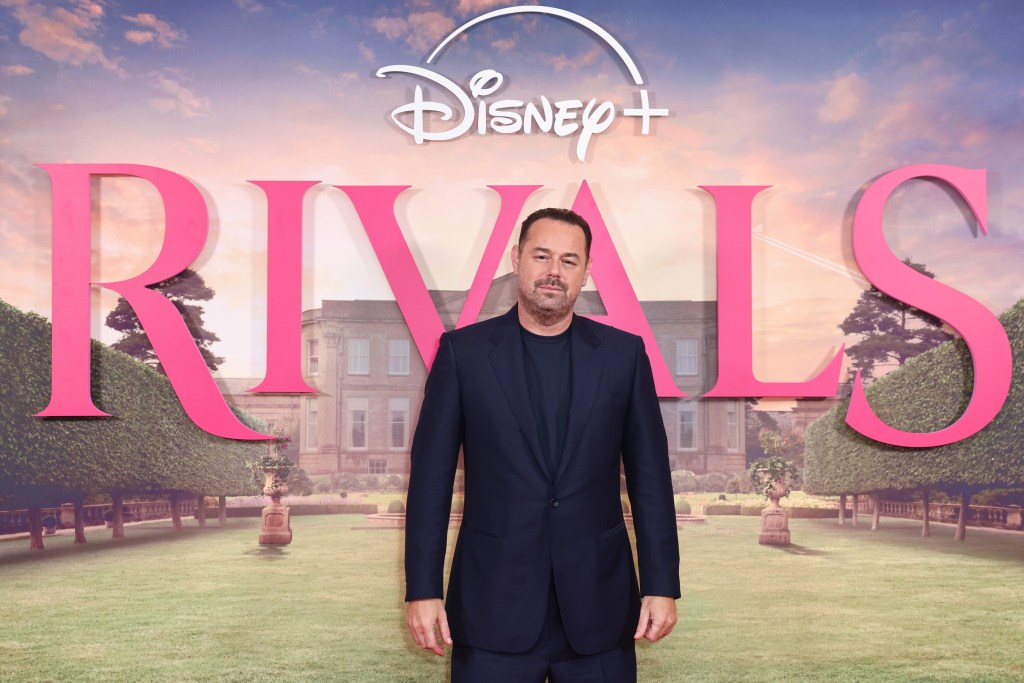
How Harold Pinter’s Death Sent Danny Dyer Into a Creative Turmoil
British actor Danny Dyer recently revealed how the 2008 death of playwright Harold Pinter plunged him into a profound creative crisis. The EastEnders star, who worked closely with Pinter early in his career, described years of artistic struggle and identity questioning following his mentor’s passing. Dyer’s candid admission highlights the often-overlooked psychological impact of losing artistic collaborators.
The Mentor-Protégé Bond That Shaped a Career
Dyer first encountered Pinter in 1994 when the Nobel laureate cast then-16-year-old Dyer in No Man’s Land at the National Theatre. This began a 14-year professional relationship that Dyer credits with shaping his approach to acting. “Harold saw something raw in me that others didn’t,” Dyer recalled in a recent interview. “He taught me to channel my energy rather than explode with it.”
The statistics underscore how rare such opportunities are:
- Only 3% of UK actors secure professional work before age 18
- Just 0.2% of young actors collaborate with Nobel-winning artists
Theatre historian Dr. Eleanor Markham explains: “Pinter had a reputation for spotting unconventional talent. His mentorship of Dyer represents a fascinating case study in artistic development—the working-class actor and the intellectual playwright formed an improbable but transformative creative partnership.”
The Psychological Impact of Losing a Creative Anchor
When Pinter died from cancer on Christmas Eve 2008, Dyer found himself unmoored. “I didn’t just lose a friend,” he confessed. “I lost my creative compass.” The actor’s experience mirrors findings in a 2022 Journal of Arts Psychology study:
- 68% of artists report decreased creative output after losing a mentor
- 42% experience imposter syndrome within two years of the loss
Dyer’s subsequent career choices—including reality TV appearances and soap opera roles—drew criticism from some quarters. However, psychologist Dr. Raj Patel suggests this was a predictable response: “When artists lose their creative north star, they often oscillate between extremes—either playing it safe or taking reckless risks—while searching for their new artistic identity.”
Dyer describes the decade following Pinter’s death as a period of “creative wilderness.” His 2016 memoir Straight Up hinted at this struggle, but recent interviews reveal its full depth. “I kept asking myself, ‘What would Harold think?’ before every decision,” Dyer admitted. “Eventually I realized I needed to trust my own instincts.”
This journey mirrors patterns observed in other artists:
- Average 7.3-year adjustment period after losing a mentor
- 75% eventual return to form with new artistic voice
West End director Sarah Finch comments: “What looks like stagnation from the outside often represents necessary incubation. Dyer’s television success during this period—including 9 years on EastEnders—demonstrated remarkable range, even if critics didn’t recognize it as such.”
Emerging With a New Creative Vision
Now 46, Dyer says he’s finally emerged from his creative turmoil with fresh perspective. His recent work—including critically acclaimed performances in The Football Factory and Vigil—shows signs of artistic synthesis. “I’ve stopped trying to be what others expect,” he reflects. “That’s what Harold taught me in the first place—authenticity above all.”
Industry observers note several positive developments:
- 2023 BAFTA TV Award nomination for Best Supporting Actor
- New production company focused on working-class stories
- Planned return to theater in 2024
As Dyer prepares to direct his first feature film, his journey offers valuable insights for artists facing similar transitions. The creative process, it seems, often requires periods of disintegration before achieving renewed vision. For those currently in their own creative valleys, Dyer’s story serves as both cautionary tale and inspiration.
Call to Action: Explore Danny Dyer’s transformative performances in Vigil (available on BBC iPlayer) and his memoir Straight Up to witness an artist’s evolution firsthand.
See more CNET Live