
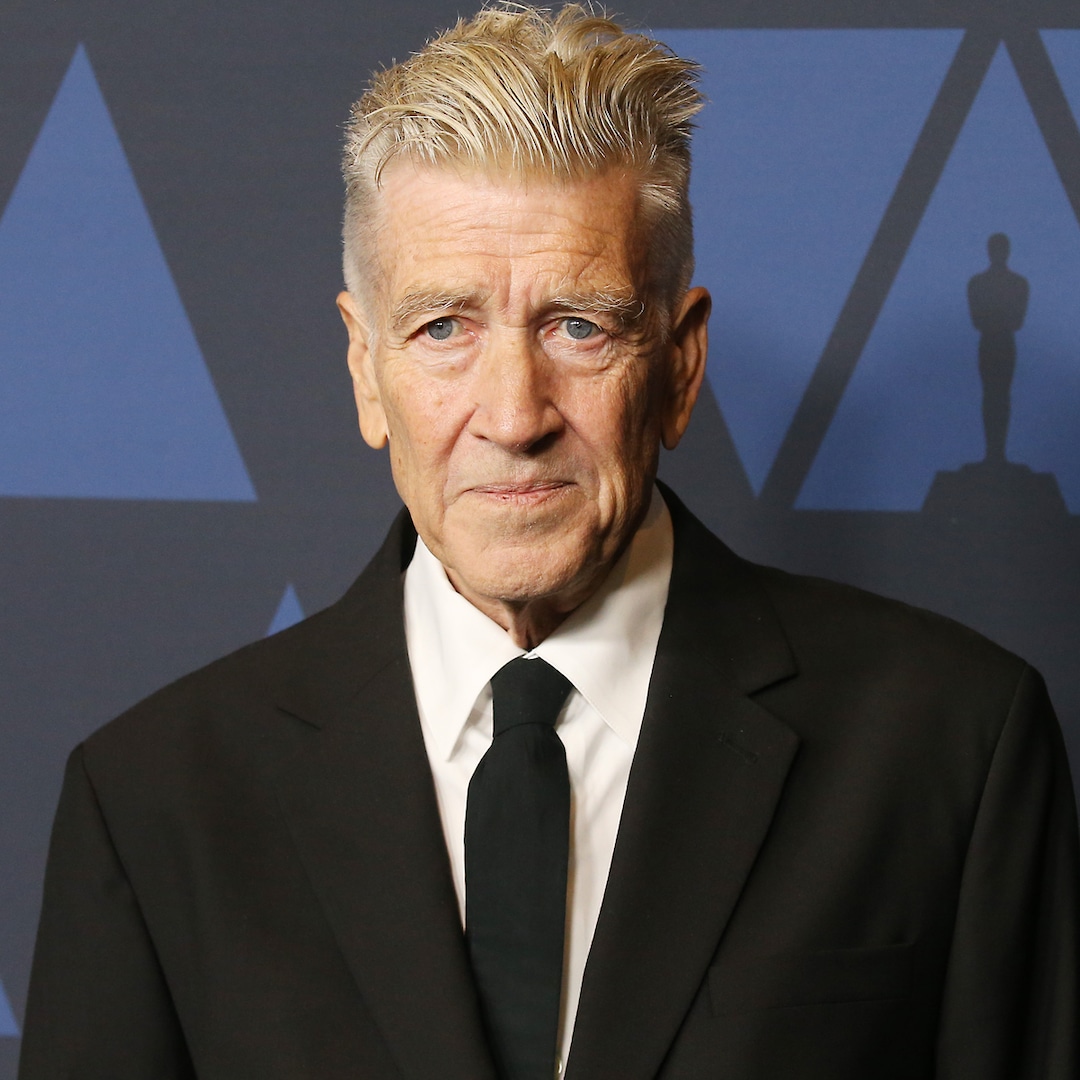
Remembering David Lynch: The Visionary Behind Twin Peaks and Mulholland Drive
The film world mourns the loss of David Lynch, a master storyteller whose unique vision shaped modern cinema. From the eerie landscapes of Twin Peaks to the surreal narrative of Mulholland Drive, Lynch’s work continues to inspire filmmakers and audiences alike. His ability to blend the bizarre with the beautiful created a cinematic universe that is both haunting and captivating.
David Lynch: A Brief Biography
Born on January 20, 1946, in Missoula, Montana, David Lynch’s journey into the world of arts began at a young age. After obtaining a scholarship to the School of the Museum of Fine Arts in Boston, he found his passion for filmmaking. His debut feature, Eraserhead (1977), showcased his distinct style—a blend of surrealism and horror that left viewers questioning their own perceptions of reality. This film laid the groundwork for what would become his trademark approach to storytelling.
The Impact of Twin Peaks
In 1990, Lynch co-created Twin Peaks, a television series that would redefine the genre. Set in the small fictional town of Twin Peaks, Washington, the show revolves around the mysterious murder of homecoming queen Laura Palmer. With its unique blend of melodrama, mystery, and the supernatural, Twin Peaks captured the imagination of viewers and critics alike.
- Character Complexity: Lynch’s characters are often multifaceted, showcasing the duality of human nature. FBI Agent Dale Cooper, played by Kyle MacLachlan, is a perfect example of this complexity, embodying both a sense of justice and a quirky, almost childlike curiosity.
- Atmospheric Storytelling: The show’s distinctive visual style—marked by eerie landscapes and unsettling soundscapes—created a haunting atmosphere that lingered long after each episode ended.
- Influence on Television: The success of Twin Peaks paved the way for a new era of television that embraced complex narratives and character development, influencing series such as The X-Files and Lost.
Mulholland Drive: A Surreal Masterpiece
Fast forward to 2001, and Lynch released Mulholland Drive, a film that further solidified his reputation as a cinematic genius. This neo-noir psychological thriller explores the dark underbelly of Hollywood, weaving a complex narrative that blurs the lines between dreams and reality.
- Non-linear Narrative: The film is structured in a way that challenges conventional storytelling, employing a fragmented narrative that mirrors the confusion and disillusionment of its characters.
- Thematic Depth: Lynch delves into themes of identity, ambition, and the often harsh realities of the entertainment industry, making viewers question what they perceive as real.
- Critical Acclaim: Mulholland Drive received numerous accolades, including the Academy Award for Best Director, further establishing Lynch as a force to be reckoned with in the film industry.
The Lynchian Aesthetic
One cannot discuss David Lynch without mentioning his unique aesthetic. His films and series are characterized by:
- Surreal Imagery: Lynch often employs dreamlike visuals that evoke a sense of unease, encouraging viewers to interpret the narrative on a deeper level.
- Sound Design: The soundscapes in Lynch’s work are meticulously crafted, using ambient sounds and music to enhance the emotional impact of a scene.
- Symbolism and Metaphor: Lynch’s stories are rich in symbolism, inviting viewers to look beyond the surface and explore the underlying themes and messages.
Influence on Filmmakers and Artists
David Lynch’s impact extends beyond his own works; he has influenced a generation of filmmakers and artists. Directors such as Christopher Nolan and Charlie Kaufman have cited Lynch as a major inspiration, particularly for their own explorations of complex narratives and psychological themes. Additionally, visual artists have drawn from Lynch’s aesthetic, incorporating surrealism and symbolism into their work.
Legacy and Continued Relevance
Even after his passing, Lynch’s influence remains evident in contemporary cinema and television. His ability to challenge audiences, provoke thought, and create a sense of unease continues to resonate with creators today. Shows like Stranger Things and films such as Get Out echo Lynch’s themes of duality, horror, and the uncanny, proving that his vision is timeless.
Moreover, Lynch’s exploration of the human psyche and the complexities of modern life ensures that his work will remain relevant. His unique storytelling approach encourages viewers to question their own realities, a theme that resonates deeply in today’s fast-paced, often chaotic world.
Conclusion: Celebrating a Visionary
As we remember David Lynch, we celebrate a visionary artist who transformed the landscape of cinema and television. His works, from Twin Peaks to Mulholland Drive, invite audiences to explore the unknown and embrace the surreal. Lynch’s legacy will undoubtedly continue to inspire and challenge future generations of filmmakers and storytellers. In the words of Lynch himself, “The ideas are out there, and you just have to find them.” As we reflect on his contributions, we can honor his memory by continuing to seek out and celebrate the extraordinary in our own lives and stories.
The film world may have lost a master, but David Lynch’s vision and creativity will forever remain etched in the annals of cinematic history.
See more CNET Live