
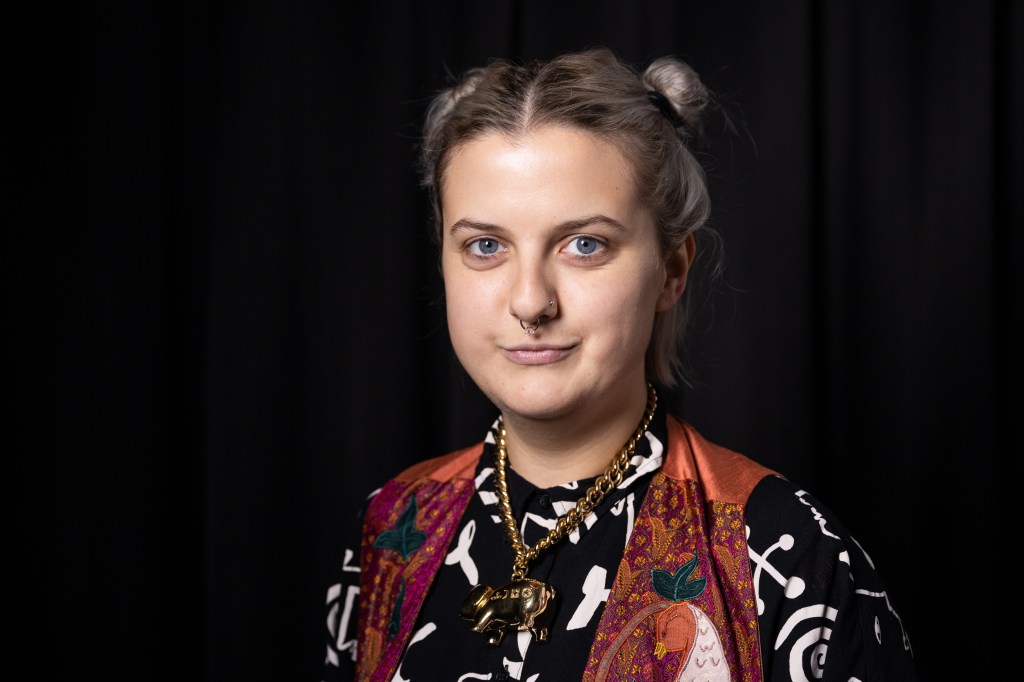
Breaking Barriers: Disabled Filmmakers Set to Shine at Rotterdam Film Festival
This year, the Rotterdam Film Festival is poised to witness a historic moment as a groundbreaking delegation of disabled filmmakers, led by the talented Ella Glendining, director of the poignant documentary “Is There Anybody Out There?”, prepares to take center stage. This initiative not only aims to elevate diverse voices within the film industry but also to challenge conventional narratives that have long marginalized disabled creators. As the film industry grapples with representation, this delegation stands as a beacon of hope, authenticity, and innovation.
The Importance of Representation in Film
Representation in film is crucial—not just for those underrepresented but for society as a whole. When audiences see characters that reflect their own experiences, it fosters empathy, understanding, and connection. However, the film industry has historically struggled with authentic portrayals of disabled individuals. Often, these characters are played by able-bodied actors, leading to a lack of genuine representation. This delegation at the Rotterdam Film Festival marks a significant step towards rectifying this imbalance.
By promoting disabled filmmakers, the festival emphasizes the importance of telling stories from diverse perspectives. These creators bring unique experiences and insights that can enrich the narrative landscape of cinema. Ella Glendining, for instance, has used her personal experiences to craft compelling stories that resonate with a broader audience, shining a light on the challenges and triumphs faced by disabled individuals.
Shaping the Future: Ella Glendining and Her Vision
Ella Glendining is not just a filmmaker; she is a trailblazer. Her documentary, “Is There Anybody Out There?”, explores the intersection of disability and the quest for connection in an increasingly isolated world. This film, which has garnered attention for its raw honesty and emotional depth, serves as a testament to the power of storytelling.
Glendining’s vision extends beyond her own work. She aims to create a platform for fellow disabled filmmakers, fostering an environment where their voices can be amplified. By leading this delegation to the Rotterdam Film Festival, she hopes to inspire others and encourage the industry to embrace diversity in all its forms.
Challenging Conventional Narratives
The narratives surrounding disability in film have often been limited to stereotypes—overcoming adversity, tragedy, or inspiration. While these themes have their place, they can overshadow the complexities of real-life experiences. The delegation of disabled filmmakers at Rotterdam seeks to challenge these conventional narratives by showcasing a broader range of stories that reflect the multifaceted nature of life with a disability.
- Authentic Storytelling: By allowing disabled filmmakers to tell their own stories, audiences can engage with narratives that are truthful and nuanced.
- Diverse Perspectives: Each filmmaker brings a unique viewpoint, contributing to a richer cinematic landscape.
- Breaking Stereotypes: These films aim to dismantle harmful stereotypes and portray disabled individuals as complex, relatable characters.
The Impact of Film Festivals on Disabled Creators
Film festivals like Rotterdam play a crucial role in launching the careers of filmmakers. They provide a platform for exposure, networking, and dialogue. For disabled filmmakers, this exposure can be transformative. The opportunity to showcase their work on an international stage allows them to reach wider audiences, engage with industry professionals, and potentially secure funding for future projects.
The Rotterdam Film Festival, known for its commitment to innovation and diversity, serves as an ideal venue for this delegation. The festival’s audience is typically open-minded and eager to explore new narratives, making it a fertile ground for these filmmakers to plant their stories.
Building a Supportive Community
One of the most significant aspects of this initiative is the sense of community it fosters among disabled filmmakers. In an industry that can often feel isolating, this delegation creates a supportive network where creators can share experiences, collaborate, and uplift one another. Such camaraderie is invaluable, as it encourages filmmakers to take risks and push boundaries in their storytelling.
Moreover, this initiative is not just about showcasing talent; it’s about creating lasting relationships that can lead to future collaborations. By building connections with other filmmakers, producers, and industry insiders, these creators can pave the way for more inclusive projects in the future.
Looking Ahead: The Future of Disabled Filmmakers in Cinema
The presence of disabled filmmakers at the Rotterdam Film Festival is just the beginning. As the industry slowly shifts towards greater inclusivity, we can expect to see more stories that resonate with diverse audiences. This movement is not merely a trend; it’s a necessary evolution in storytelling that reflects the realities of our world.
Furthermore, initiatives like this can inspire educational programs that focus on nurturing the next generation of disabled filmmakers. By investing in their development, we can ensure that the voices of disabled creators continue to be heard in the years to come.
Conclusion: A Call to Action
The participation of disabled filmmakers at the Rotterdam Film Festival is a significant milestone in the ongoing fight for representation and inclusivity in cinema. As audiences, industry professionals, and allies, we must support these creators by seeking out their work, advocating for their stories, and challenging the status quo.
In breaking barriers, these filmmakers are not only reshaping the film industry but are also fostering a culture of empathy and understanding. As we look forward to their presentations and discussions at the festival, let us remember the power of storytelling to change perceptions and inspire change.
Together, we can ensure that the voices of disabled filmmakers are not just heard but celebrated, paving the way for a more inclusive and representative future for cinema.
See more CNET Live