
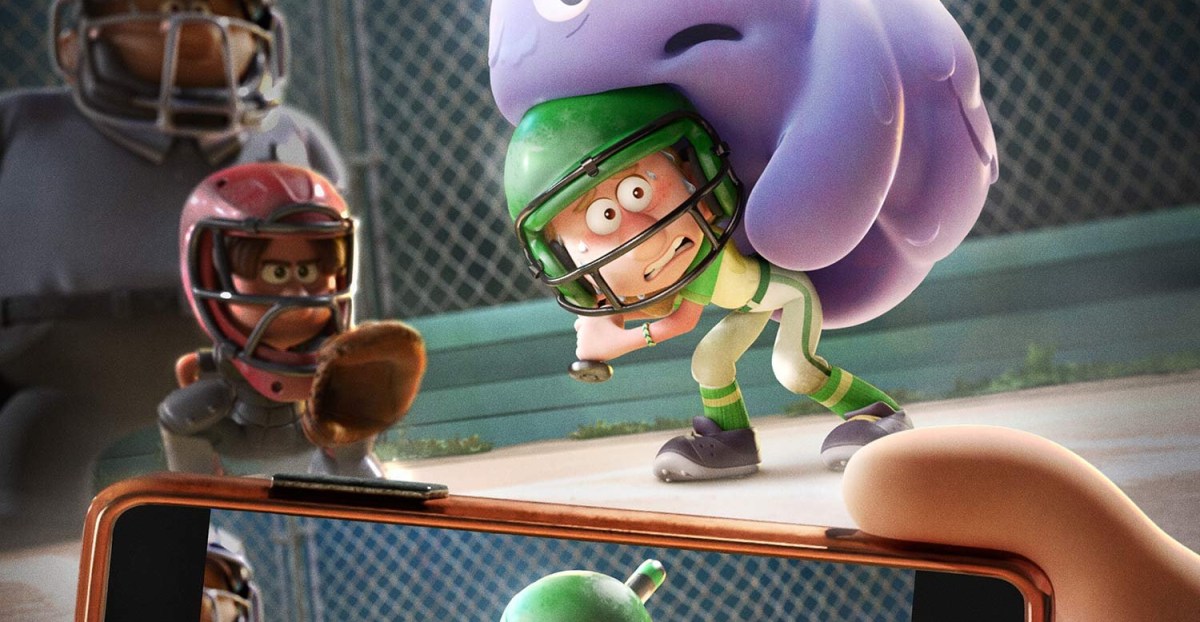
Unpacking the Controversy: Disney’s Bold New Christian Character
Disney has long been a beacon of creativity and innovation in the world of entertainment, but its latest move—introducing a Christian character into an upcoming film—has ignited a firestorm of debate. The decision to incorporate a character rooted in Christian values has stirred varied reactions from fans and critics alike, reflecting the cultural sensitivities and complexities that define modern storytelling.
The Context of the Controversy
In recent years, Disney has faced scrutiny for its representation of diverse characters and themes. The push for inclusivity has led to the creation of characters that reflect a wide range of backgrounds, beliefs, and narratives. However, the inclusion of a Christian character seems to have triggered a different kind of dialogue. Why does the portrayal of Christianity in popular media evoke such strong responses?
Historically, many religious groups have felt underrepresented or misrepresented in mainstream media. While Disney has embraced characters from various cultures and religions, the introduction of a character grounded firmly in Christianity raises questions about bias and representation. Critics argue that this move could be seen as an endorsement of a particular belief system in an increasingly pluralistic society.
The Reactions: A Mixed Bag
The reactions to Disney’s new Christian character have been anything but uniform. On one side, supporters laud the decision as a bold step towards inclusivity. They argue that Christianity, as one of the world’s largest religions, deserves representation in popular media. This perspective emphasizes the importance of storytelling that reflects the values and beliefs of millions around the globe.
Conversely, some critics express concerns about the potential for the character to be used as a tool for proselytization or to push a political agenda. The fear is that Disney, a company that has traditionally focused on family-friendly content, might alienate segments of its audience. This skepticism highlights a broader concern about how religion is portrayed in entertainment—whether it will be depicted with nuance and respect or reduced to stereotypes.
Understanding the Cultural Landscape
To comprehend the full scope of the controversy surrounding Disney’s new Christian character, one must consider the broader cultural landscape. In recent years, America has seen a rise in discussions surrounding faith, identity, and representation. With the increasing polarization of societal values, Disney’s decision resonates deeply with various factions—some seeing it as a necessary representation, while others view it as a potential misstep.
- Support for Representation: Advocates for the inclusion of more Christian narratives argue that such stories can promote understanding and acceptance. They believe that a Christian character can provide a positive role model and inspire audiences.
- Concerns About Stereotyping: Critics worry that Disney might oversimplify or misrepresent Christian beliefs, reducing a rich and diverse faith to clichés. The fear is that the character could become a vessel for stereotypes rather than a fully realized individual.
- Political Ramifications: Given the current political climate, the portrayal of a Christian character may inadvertently align Disney with certain political ideologies, further complicating its relationship with audiences of varying beliefs.
The Importance of Nuanced Storytelling
At the heart of this controversy is the call for nuanced storytelling. Audiences today are more discerning than ever, seeking depth in characters and narratives. The challenge for Disney lies in crafting a Christian character that is relatable, well-rounded, and reflective of the diversity within the faith itself.
To achieve this, Disney could take several approaches:
- Multi-dimensional Characters: The character should embody a range of experiences and beliefs, showcasing the complexity of faith rather than presenting a monolithic view.
- Authentic Storytelling: Collaborating with writers and creators who have a genuine understanding of Christian beliefs can help ensure authenticity in the character’s development.
- Interfaith Dialogue: Incorporating perspectives from various religious backgrounds can enrich the narrative, fostering a sense of community and shared values.
Potential Impact on Disney’s Brand
The decision to introduce a Christian character could have significant implications for Disney’s brand identity. As a company that has built its reputation on family-friendly entertainment, the portrayal of a religious character might attract a new demographic while alienating others.
Disney has often walked a tightrope between innovation and tradition, and this new character could either reinforce its standing as a forward-thinking entertainment giant or lead to backlash from segments of its audience. The success of this character will likely depend on how well the story resonates with viewers and whether it fosters meaningful conversations about faith and identity.
Looking Ahead: The Future of Disney’s Storytelling
As Disney navigates this controversy, the company has an opportunity to redefine its storytelling approach. The introduction of a Christian character could pave the way for more diverse narratives that reflect the complexities of modern life. It’s about striking a balance—honoring tradition while embracing innovation.
Ultimately, Disney’s bold new Christian character has the potential to enrich the tapestry of stories that the company tells. By approaching this character with sensitivity and authenticity, Disney can contribute to a more inclusive narrative landscape that resonates with audiences from all walks of life. The key will be to listen to feedback, engage in thoughtful dialogue, and remain committed to quality storytelling that honors the diversity of human experience.
Conclusion
Disney’s introduction of a Christian character is more than just a creative decision; it’s a reflection of the ongoing evolution of storytelling in a diverse world. As reactions continue to unfold, the company stands at a crossroads, with the potential to lead the conversation about faith, identity, and representation in modern media. By remaining open to dialogue and committed to nuanced storytelling, Disney can navigate this controversy and emerge as a champion of inclusivity in entertainment.
See more CNET Live