
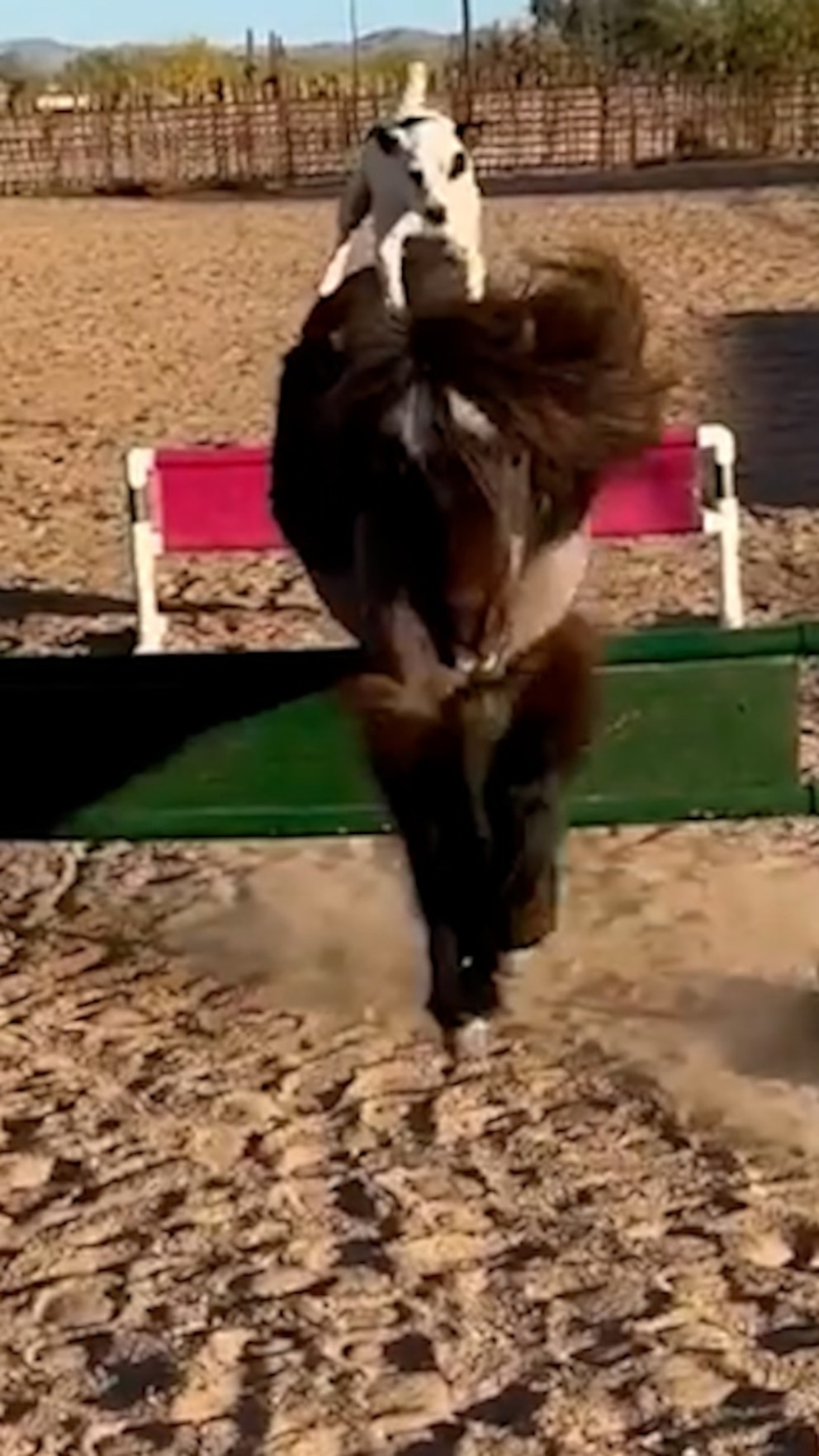
Canine Equestrian: The Remarkable Horse-Riding Talent of a Video Pup
A viral video has recently made waves on social media, showcasing a remarkable canine equestrian—an adorable dog demonstrating extraordinary horse-riding skills. This astonishing display of talent has captured the hearts of animal lovers worldwide, prompting discussions about the unique bond between dogs and horses. As we dive into this fascinating phenomenon, we’ll explore how such an unlikely duo can create magic together, the implications of this bond, and what it says about our pets’ intelligence and adaptability.
The Viral Video that Started It All
The video in question features a playful pup, a mix of breeds, effortlessly balancing on the back of a galloping horse. With its ears flopping in the wind and a wide grin plastered across its face, the dog seems to thoroughly enjoy the ride. Not only does the video showcase the canine’s ability to maintain its balance, but it also highlights the bond between the rider and the horse. The horse appears calm and collected, demonstrating a level of trust that is crucial for such an activity.
This video has garnered millions of views within days, igniting a passionate conversation about the capabilities of our furry friends. Many viewers expressed their admiration for the dog’s skill, while others were left wondering how this unusual activity came to be. The answer lies in training, trust, and the innate instincts of both animals.
Understanding the Canine Equestrian Phenomenon
Dogs are known for their versatility and intelligence, making them exceptional companions in various activities. But how exactly does a dog learn to ride a horse? Here are some insights into the training process and the unique relationship between dogs and horses:
- Early Exposure: Dogs that are introduced to horses at a young age tend to develop a natural affinity for them. Familiarity breeds comfort, allowing both animals to coexist peacefully.
- Positive Reinforcement: Training methods based on positive reinforcement can help dogs learn to balance on a horse. Treats, praise, and encouragement motivate the dog to stay on board and enjoy the experience.
- Trust and Bonding: The foundation of any successful horse-riding dog lies in the trust developed between the dog and the horse. Both animals need to feel comfortable and secure in each other’s presence.
- Safety Measures: Ensuring the safety of both the dog and the horse is paramount. Proper training, equipment, and supervision are essential to prevent accidents during their adventures.
Exploring the Bond Between Dogs and Horses
The bond between dogs and horses is fascinating and multifaceted. While they belong to different species, their interactions reveal a lot about their emotional intelligence and social behaviors. Here are some aspects to consider:
Both dogs and horses are prey animals, meaning they have evolved to be aware of their surroundings. This instinct can lead to a unique understanding between the two. A dog that is attuned to a horse’s body language can sense when it’s time to be calm or when to engage playfully. This shared instinct allows for a harmonious relationship, which is essential when the dog is riding on the horse.
Social Creatures
Both species thrive on social interaction. Horses are herd animals that form strong bonds with their companions, while dogs are pack animals that often look to their human and animal friends for guidance and support. This social nature fosters a connection that can be leveraged for various activities, including riding.
Training Together
Many equestrians have found that training their horses alongside their dogs can enhance the learning experience for both animals. When a dog is part of the training process, it can help the horse become more relaxed and responsive, while the dog benefits from the exposure to new environments and experiences.
The Role of Canine Equestrianism in Animal Therapy
The incredible talent of canine equestrians is not just a spectacle; it also has therapeutic implications. Animal therapy has gained recognition as an effective treatment for various physical and mental health issues. Engaging in activities that involve both dogs and horses can provide numerous benefits:
- Emotional Support: The presence of both animals can significantly reduce anxiety and stress levels, providing comfort to individuals in therapeutic settings.
- Physical Exercise: Riding promotes physical activity, which is beneficial for both dogs and their human counterparts. The movement encourages coordination and balance.
- Social Interaction: Engaging with animals fosters a sense of community, helping individuals feel more connected and less isolated.
Canine Equestrian Activities: Beyond Riding
While the viral video highlights the unique spectacle of a dog riding a horse, the world of canine equestrianism extends beyond this extraordinary feat. Here are some other activities where dogs and horses can bond:
- Trail Riding: Many horse owners enjoy taking their dogs along on trail rides, creating a shared adventure that deepens their bond.
- Agility Training: Combining agility courses for dogs with equestrian obstacles can be a fun way to train both animals while enhancing their teamwork.
- Equine-Assisted Therapy: Dogs can play a significant role in equine-assisted therapy programs, where they help individuals connect with horses in a therapeutic environment.
Conclusion
The viral video of the remarkable canine equestrian has not only entertained audiences but has also opened up discussions about the incredible capabilities of dogs and their ability to bond with horses. This unexpected talent serves as a reminder of the profound connections that can exist between different species. As we continue to explore the unique relationships our pets forge with one another, it becomes clear that the bond between a dog and a horse is a testament to the power of trust, training, and companionship. Whether it’s through riding, playing, or simply coexisting, the world of canine equestrianism enriches our understanding of the animal kingdom and the joy it brings to our lives.
See more CNET Live