
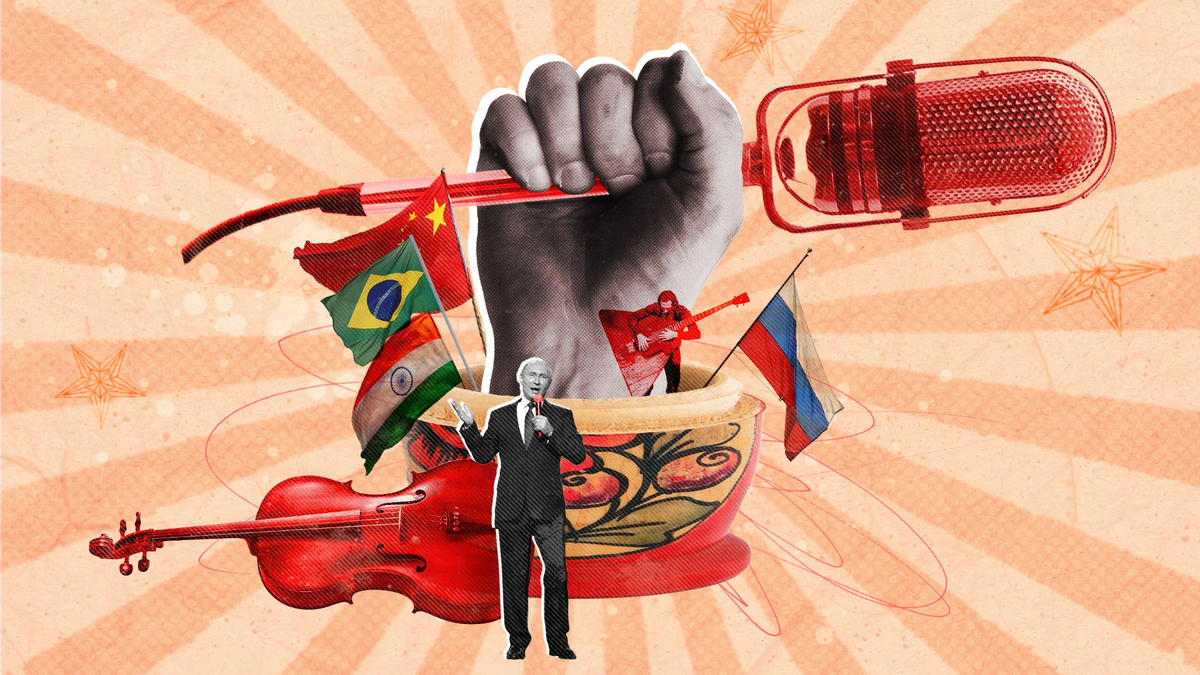
Unveiling Intervision: Putin’s Bold Challenge to Eurovision
As geopolitical tensions continue to escalate, a significant cultural shift is taking place in the world of music competitions. Russia’s Intervision has emerged as a provocative alternative to the Eurovision Song Contest, a platform that not only showcases musical talent but also symbolizes the ongoing rivalry between nations. This article delves into the origins, significance, and potential impact of Intervision on the global music landscape and international relations.
The Birth of Intervision
Intervision originally saw its inception in the 1970s as a response to Eurovision, primarily involving countries from the Eastern Bloc. However, it faded into obscurity after the collapse of the Soviet Union. Fast forward to today, in a rapidly changing geopolitical landscape, Russia has revived Intervision, aiming to reestablish cultural ties and assert its influence in the realms of music and entertainment.
Cultural and Political Implications
The revival of Intervision comes at a time when cultural diplomacy is increasingly viewed as a strategic tool in international relations. Music, a universal language, can serve to bridge gaps between nations or, conversely, to highlight divisions. Russia’s re-engagement with Intervision is not just about music; it’s a bold assertion of its cultural identity and an attempt to counter Western influence, particularly in light of the ongoing sanctions and geopolitical tensions.
- Reinforcing National Identity: Intervision allows Russia to showcase its rich musical heritage, promoting national pride and cultural uniqueness.
- Countering Western Narratives: By creating a platform that rivals Eurovision, Russia aims to present an alternative narrative to Western-dominated media.
- Fostering Alliances: The competition could strengthen ties with other nations that feel marginalized by Western cultural hegemony.
What Intervision Offers
Intervision is designed to not only spotlight emerging musical talents but also to provide a stage for diverse cultural expressions from various participating countries. It promises a blend of genres, languages, and artistic styles, reflecting the unique characteristics of each nation involved.
Musical Diversity and Talent Showcase
The competition encourages participation from a wide array of musical genres, including pop, folk, classical, and contemporary. This diversity is one of Intervision’s most appealing aspects, attracting artists from various backgrounds and experiences.
- Inclusivity: Intervision aims to be more inclusive than Eurovision, welcoming countries that may not traditionally participate in Western-centric competitions.
- Emerging Artists: The platform is particularly focused on giving a voice to lesser-known artists, providing them with international exposure.
- Cultural Exchange: The competition fosters cultural exchange among participating nations, encouraging collaboration and interaction among artists.
Intervision vs. Eurovision: A Comparative Analysis
While both Intervision and Eurovision aim to celebrate music and cultural exchange, their fundamental differences reflect their respective political and cultural contexts. Eurovision has long been a celebration of diversity within Europe, albeit with its own share of political controversies. Conversely, Intervision positions itself as a response to perceived Western biases and aims to reclaim cultural narratives for Eastern nations.
Political Underpinnings
Eurovision, despite its inclusive spirit, has often been criticized for being influenced by political considerations. Voting patterns sometimes reflect geopolitical alliances rather than purely musical merit. Intervision, on the other hand, emerges from a backdrop of geopolitical tensions, making its political motivations more overt.
Audience Engagement and Reach
Eurovision boasts a massive viewership, drawing in millions of fans from across Europe and beyond. Intervision, while still in its nascent stages, aims to leverage digital platforms and social media to reach a global audience. The competition’s success will largely depend on its ability to create engaging content that resonates with viewers.
The Future of Intervision
The future of Intervision is intertwined with the evolving dynamics of international relations. With tensions between Russia and the West likely to persist, Intervision could become a significant cultural phenomenon, appealing to those who feel disconnected from mainstream Western media.
Potential Challenges
Despite its promising start, Intervision faces several challenges:
- International Reception: The acceptance of Intervision in the global music community remains uncertain, especially given the current political climate.
- Logistical Issues: Organizing a large-scale event requires substantial resources and coordination among participating nations.
- Audience Building: Gaining traction in an already crowded entertainment space will be crucial for the competition’s longevity.
Conclusion: A New Era of Musical Diplomacy
As we unveil Intervision, it becomes clear that this competition is more than just a music contest; it is a bold challenge to the established norms of cultural exchange and diplomacy. By offering a platform for diverse voices and artistic expressions, Intervision seeks to carve out its niche in the global music arena.
While the geopolitical implications of this revival are complex, the potential for fostering understanding and collaboration through music remains a hopeful prospect. As nations continue to grapple with their identities and relationships, Intervision stands as a testament to the power of music in bridging divides and celebrating cultural diversity.
In the ever-evolving landscape of international relations, Intervision may very well signify the dawn of a new era in musical diplomacy, one where the melodies of unity resonate louder than the discord of division.
See more CNET Live