
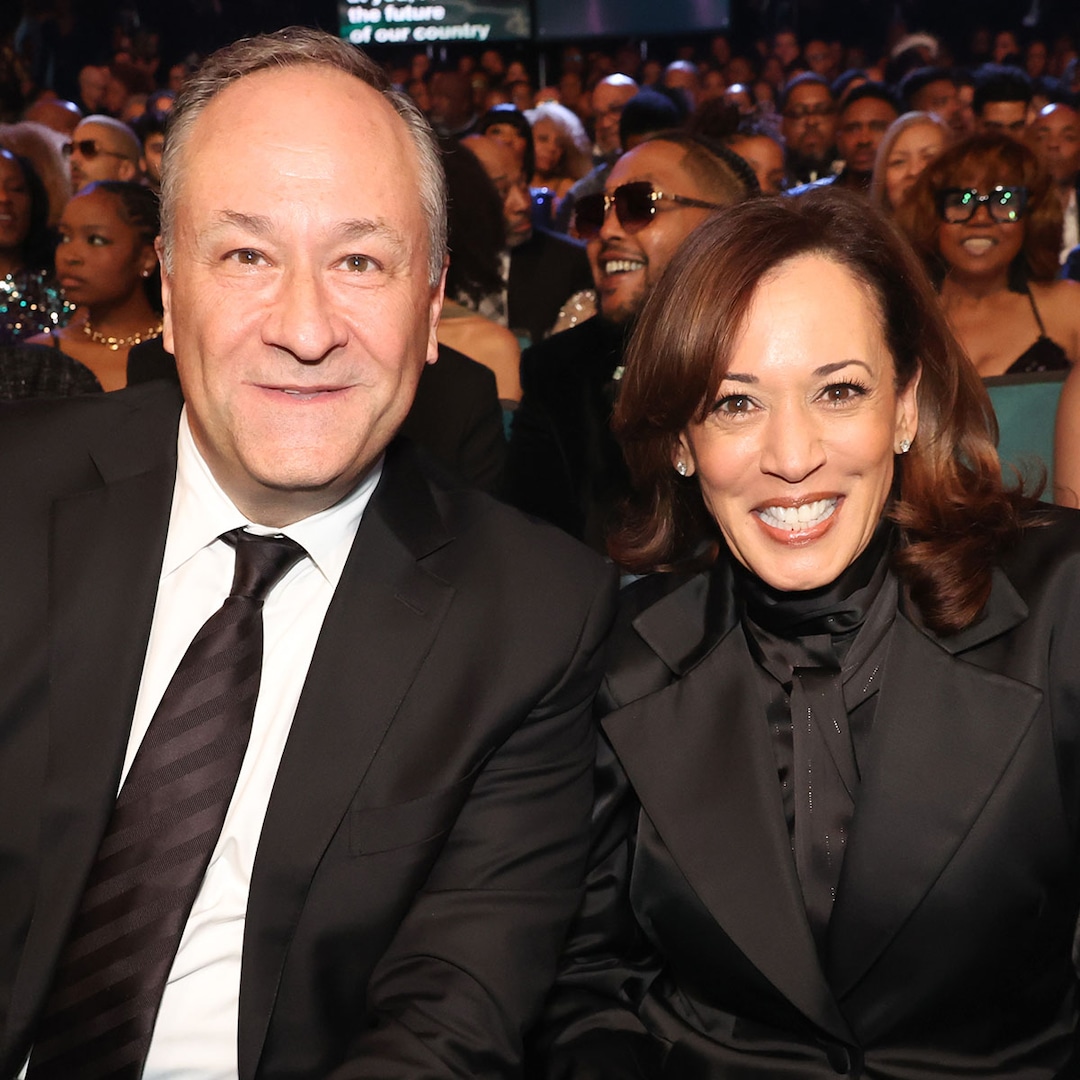
Kamala Harris Stuns at the Met Gala 2025: A Night of Fashion and Politics
Vice President Kamala Harris made a surprise appearance at the Met Gala 2025 on Monday, May 5, becoming the highest-ranking U.S. official to attend the prestigious fashion event. Held at New York’s Metropolitan Museum of Art, her presence blurred the lines between politics and haute couture, sparking debates about the evolving role of leaders in cultural spaces. Harris, dressed in a custom designer gown, emphasized unity and self-expression while mingling with A-list celebrities and designers.
A Historic Moment for Political Fashion
The Met Gala 2025 theme, “Future Relics: Fashioning Identity,” provided a fitting backdrop for Harris’s groundbreaking appearance. Her ensemble—a deep blue, sculptural gown by a rising Black designer—symbolized both empowerment and innovation. Fashion critics noted the deliberate messaging: the color echoed her signature campaign hue, while the avant-garde silhouette challenged traditional expectations for women in politics.
“This wasn’t just a fashion choice; it was a strategic statement,” said Dr. Elena Torres, a cultural historian at Columbia University. “Harris is leveraging fashion as a diplomatic tool, much like Michelle Obama or Jackie Kennedy did, but with a modern twist.” According to a 2024 Pew Research study, 68% of Americans believe politicians’ style choices influence public perception, underscoring the significance of Harris’s sartorial diplomacy.
Mixed Reactions: Praise and Criticism
While many applauded Harris for embracing cultural platforms, critics questioned the appropriateness of a sitting vice president attending a glitzy, celebrity-driven event amid pressing national issues. Conservative commentator Mark Reynolds argued, “Taxpayers expect leaders focused on policy, not red carpets.” Conversely, fashion advocate Naomi Carter countered, “Fashion is a multibillion-dollar industry and a global soft-power asset. Why shouldn’t politicians engage with it?”
The data supports Carter’s perspective: the U.S. fashion industry generated $400 billion in GDP in 2024, employing over 4 million workers. Harris’s team later clarified that her attendance was privately funded and highlighted her meetings with young designers advocating for sustainable fashion—an issue she’s championed since 2022.
The Broader Trend: Politicians in Pop Culture
Harris’s Met Gala 2025 moment reflects a growing trend of politicians crossing into pop culture spheres. From Alexandria Ocasio-Cortez’s “Tax the Rich” gown at the 2021 Gala to Justin Trudeau’s Vogue spreads, the lines between governance and celebrity continue to blur. A 2025 Gallup poll revealed that 54% of Gen Z voters prefer leaders who engage with cultural movements, signaling a shift in political branding.
- Soft Power Potential: Fashion can amplify policy agendas, as seen with Harris’s focus on minority-owned businesses.
- Risks: Critics warn of perceived elitism or misplaced priorities if not balanced with substantive action.
What’s Next for Fashion and Politics?
Harris’s appearance sets a precedent for future interactions between governance and glamour. Designers are already speculating about collaborations with policymakers to promote ethical fashion. Meanwhile, political analysts predict more leaders will harness cultural platforms to connect with younger, style-conscious voters.
“The Met Gala 2025 wasn’t just a party—it was a case study in 21st-century leadership,” concluded Torres. “The challenge now is ensuring symbolism translates into systemic change.” For those inspired by Harris’s fusion of fashion and advocacy, following sustainable designers or supporting bipartisan fashion initiatives offers a tangible next step.
Want to stay updated on how culture shapes politics? Subscribe to our newsletter for exclusive insights.
See more CNET Live