
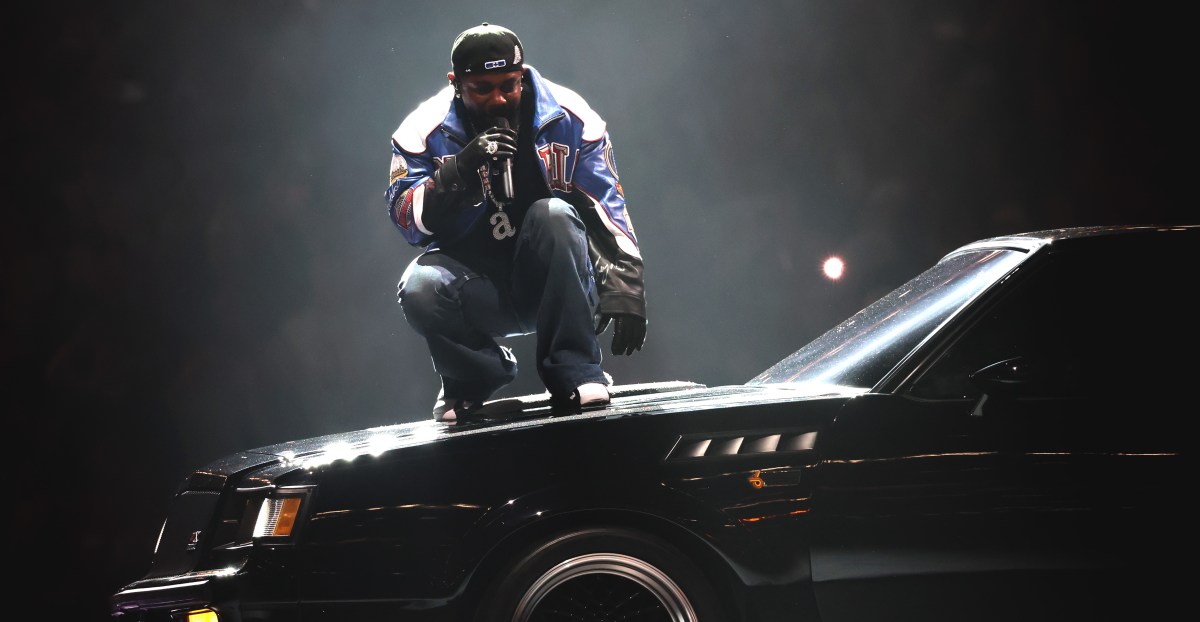
Kendrick Lamar: A Halftime Show of Rivalry and Reflection
Kendrick Lamar’s Super Bowl Halftime Show was undoubtedly a spectacle that captured the attention of millions, yet it ignited a conversation that transcended the boundaries of mere entertainment. The performance sparked debates regarding its focus—or lack thereof—on pressing political issues, while simultaneously hinting at a rivalry with fellow artist Drake. This article explores the intricacies of Kendrick Lamar’s performance, the implications of celebrity influence in our current social landscape, and the delicate balance artists must navigate between entertainment and activism.
The Stage is Set: A Cultural Moment
The Super Bowl Halftime Show has evolved into a cultural phenomenon, often serving as a platform for artists to showcase not just their music but also their messages. When Kendrick Lamar took the stage, expectations were high. Fans anticipated a performance that would reflect the current socio-political climate, especially given Lamar’s previous work that frequently addresses issues like systemic racism, inequality, and social justice.
However, the performance seemed to prioritize a nod to his ongoing rivalry with Drake over these pressing issues. The subtle references to Drake throughout the show left many fans feeling that Lamar had missed an opportunity to use his platform for a more significant purpose. This dichotomy of entertainment versus activism invites a broader discussion about the role of celebrity in the modern world.
The Rivalry: A Subtext of Competition
The rivalry between Kendrick Lamar and Drake has been a topic of discussion for years. Both artists have carved out significant spaces in the hip-hop genre, yet their approaches to music and public persona differ widely. While Drake often leans toward mainstream appeal and emotional vulnerability, Lamar’s work is deeply rooted in storytelling and social commentary.
The 2023 Super Bowl Halftime Show provided an ideal backdrop for this rivalry to resurface. Moments in the performance—like the choice of songs and the visual elements—seemed to reflect not only Lamar’s artistry but also an underlying competition with Drake. This interplay between the two artists raises questions about how rivalry shapes the narratives they create and how fans respond to these dynamics.
The Influence of Celebrity: A Double-Edged Sword
As a prominent figure in the music industry, Kendrick Lamar’s influence extends beyond his music. His words have the power to inspire, challenge, and provoke thought among his listeners. Yet, this influence comes with responsibilities. In today’s social climate, where issues like racial inequality and police brutality are at the forefront, artists are often expected to speak out and use their platforms for advocacy.
When Lamar chose to highlight his rivalry with Drake, it raised eyebrows. Critics argued that he missed a crucial opportunity to address the political issues plaguing society. This moment underscores a broader theme in celebrity culture: the tension between personal branding and social responsibility. Artists like Lamar must navigate these waters carefully, balancing their artistic freedom with the expectations of their audience.
Artistry vs. Activism: A Complex Landscape
The question arises: should artists like Kendrick Lamar prioritize activism in their performances? While some argue that entertainers should use their platforms to advocate for change, others believe that art serves primarily as a form of self-expression. The complexity lies in the fact that Lamar’s artistry often intertwines with activism. His previous albums have tackled social issues head-on, making his Halftime Show’s perceived shift in focus particularly striking.
Moreover, the expectation for artists to take a stand on social issues can be overwhelming. The criticism that Lamar faced following his performance is indicative of a larger societal expectation that celebrities should be vocal about their beliefs. However, this can lead to a paradox where artists feel pressured to conform to societal demands rather than expressing their authentic selves.
The Aftermath: Conversations that Matter
In the wake of Kendrick Lamar’s Halftime Show, conversations have emerged that delve deeper into the role of artists in today’s society. How much responsibility do they hold in addressing societal issues? Should entertainment and activism be intertwined, or can they coexist separately? These questions highlight the need for critical discourse surrounding celebrity influence and social responsibility.
- Engagement with Fans: The aftermath of the performance has prompted fans to engage in discussions about the responsibilities of artists. Social media platforms have become arenas for debate, where fans express their disappointment or support for Lamar’s choices.
- The Role of Performance: The Halftime Show serves as a reminder that performance art is multifaceted. While some artists choose to make bold statements, others may opt for a more personal expression of their artistry.
Looking Ahead: The Future of Celebrity Activism
The conversation ignited by Kendrick Lamar’s Super Bowl Halftime Show is likely to continue evolving. As society grapples with complex issues, the role of celebrities in advocating for change will remain a point of contention. Lamar, like many artists, finds himself at a crossroads where personal authenticity and societal expectations collide.
As fans and critics alike reflect on the implications of his performance, it’s essential to remember that artists are human too. They have their own experiences, struggles, and thoughts that shape their work. While the expectation for Kendrick Lamar to address pressing political issues is valid, it’s equally important to understand the nuances of his artistry and the personal battles he may face.
Conclusion: A Call for Understanding
Kendrick Lamar’s Super Bowl Halftime Show serves as a microcosm of the larger debates surrounding celebrity influence, activism, and artistry. While some may view the performance as a missed opportunity to address significant issues, it’s crucial to recognize the complexities involved in being a public figure in today’s world. The conversation sparked by this event can lead to greater understanding of the delicate balance artists must strike between their personal narratives and the expectations of their audience. In the end, Kendrick Lamar remains a powerful voice in music, and his journey—like many artists—will continue to evolve in response to the world around him.
See more CNET Live