
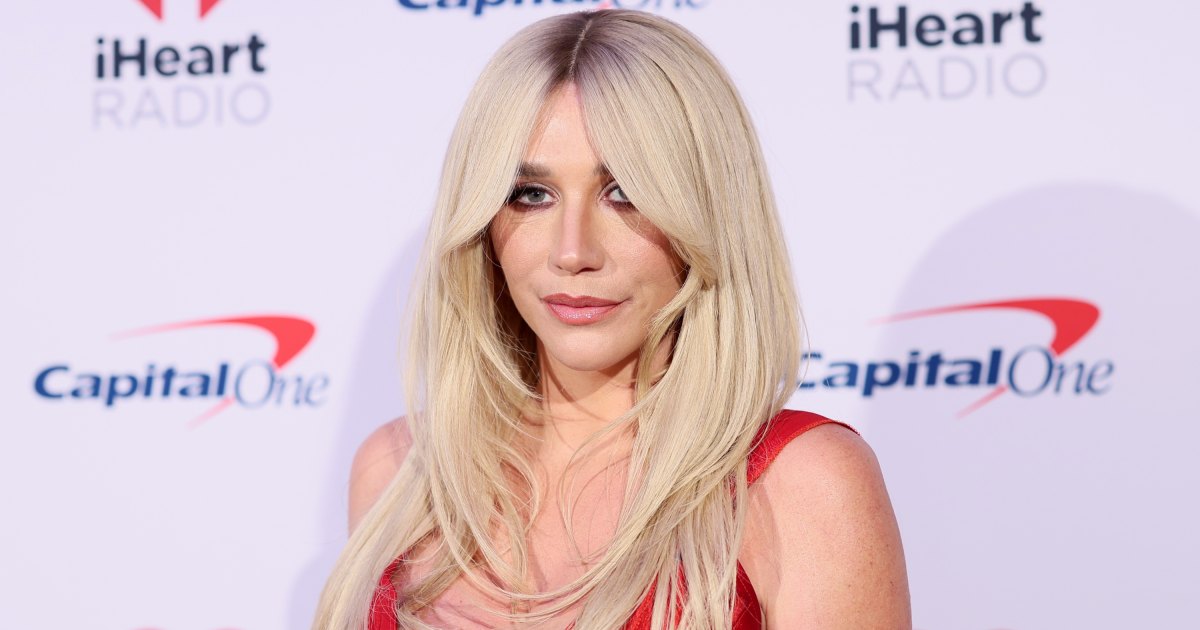
Kesha’s ‘Tik Tok’: A Timeless Anthem Amidst Social Media Uncertainty
As the discussions surrounding a potential U.S. social media ban intensify, Kesha’s iconic hit song “Tik Tok” emerges from the shadows, resonating with profound relevance in today’s digital landscape. Released in 2009, this track not only catapulted Kesha into global stardom but also captured the essence of youth culture and the burgeoning role of social media in music. Now, more than a decade later, it raises critical questions about the future of digital expression and the evolving relationship between music and social media.
The Cultural Impact of ‘Tik Tok’
When “Tik Tok” was released, it became an instant sensation, topping charts worldwide and marking a significant milestone in pop music history. The song’s infectious beat and carefree lyrics encapsulated a generation’s spirit, focusing on partying, living in the moment, and embracing life’s spontaneous adventures. More than just a catchy tune, “Tik Tok” became an anthem for self-expression, a celebration of confidence, and a rallying cry for those wanting to enjoy life to the fullest.
At its core, “Tik Tok” reflects the zeitgeist of the late 2000s, a time when social media began to reshape how people interacted with each other and consumed music. Platforms like MySpace and Facebook were gaining traction, allowing artists to connect directly with fans. Kesha, with her unapologetic persona, embodied this shift, using these platforms to share her music and cultivate a loyal following.
The Intersection of Music and Social Media
Fast forward to 2023, Kesha’s “Tik Tok” holds even more layers of meaning, particularly as social media continues to evolve. The song is not just a nostalgic reminder of simpler times; it serves as a lens through which we can examine the current state of digital expression. Today, TikTok—the social media platform—is a central hub for music discovery, where songs can go viral in a matter of hours, influencing the charts and shaping pop culture.
Artists leverage TikTok to promote their music, create challenges, and engage with fans in innovative ways. Kesha’s song, with its title now synonymous with the social media platform, illustrates a unique relationship between music and social media. This connection raises an important question: what role will social media play in the future of music culture?
The Threat of a Social Media Ban
As discussions around a potential social media ban in the U.S. heat up, artists like Kesha find themselves at the intersection of creativity and censorship. The implications of such a ban could be profound, impacting not only how artists share their work but also how fans engage with music. For many musicians, social media is an essential tool for promotion, communication, and building a community.
- Promotion: Artists rely on platforms to showcase new releases and reach wider audiences.
- Engagement: Social media facilitates direct communication between artists and fans, fostering loyalty.
- Trends: Platforms often dictate music trends, making them critical for an artist’s success.
A ban could stifle creativity and limit the avenues through which artists connect and express themselves. Kesha’s reflections on her song amidst this uncertainty highlight the precarious balance between artistic freedom and regulatory constraints.
The Resilience of Music in the Face of Change
Despite the looming threats to social media, Kesha’s “Tik Tok” stands as a testament to music’s resilience. Music has always adapted to societal changes, and artists have continuously found new ways to share their messages. The digital age has introduced challenges, but it has also provided unprecedented opportunities for musicians to innovate and reach audiences in diverse ways.
As Kesha herself noted, the essence of “Tik Tok” is about living in the moment and embracing life’s unpredictability. This message resonates now more than ever, encouraging both artists and fans to navigate the uncertainties of the digital world with creativity and optimism. In a time when digital expression is under scrutiny, the core themes of Kesha’s anthem remind us of the power of music to uplift and unite.
Looking Ahead: The Future of Digital Expression
As the dialogue around social media continues, it is crucial to consider what the future holds for digital expression. If a ban were to occur, artists might be forced to adapt once more, finding new platforms or methods to share their work. However, history has shown that creativity flourishes in adversity. Artists may pivot toward emerging technologies, such as virtual reality concerts or decentralized platforms that allow for greater freedom of expression.
Moreover, Kesha’s reflections on her hit song serve as a reminder that while platforms may change, the essence of music—its ability to connect, inspire, and evoke emotion—remains constant. Regardless of the challenges posed by potential social media restrictions, the human desire for connection and expression through music will endure.
Conclusion: A Timeless Anthem
Kesha’s “Tik Tok” is more than just a pop anthem; it is a cultural touchstone that continues to resonate amid the complexities of the digital age. As discussions around social media restrictions unfold, the song invites us to reflect on the importance of digital expression and the role of music in our lives. The enduring popularity of “Tik Tok” serves as a reminder that while platforms may evolve, the spirit of music and the joy it brings will always remain a vital part of our shared human experience.
In the face of uncertainty, Kesha’s anthem inspires a sense of hope and resilience, urging us to embrace the moment and find joy in the music that connects us all.
See more CNET Live