
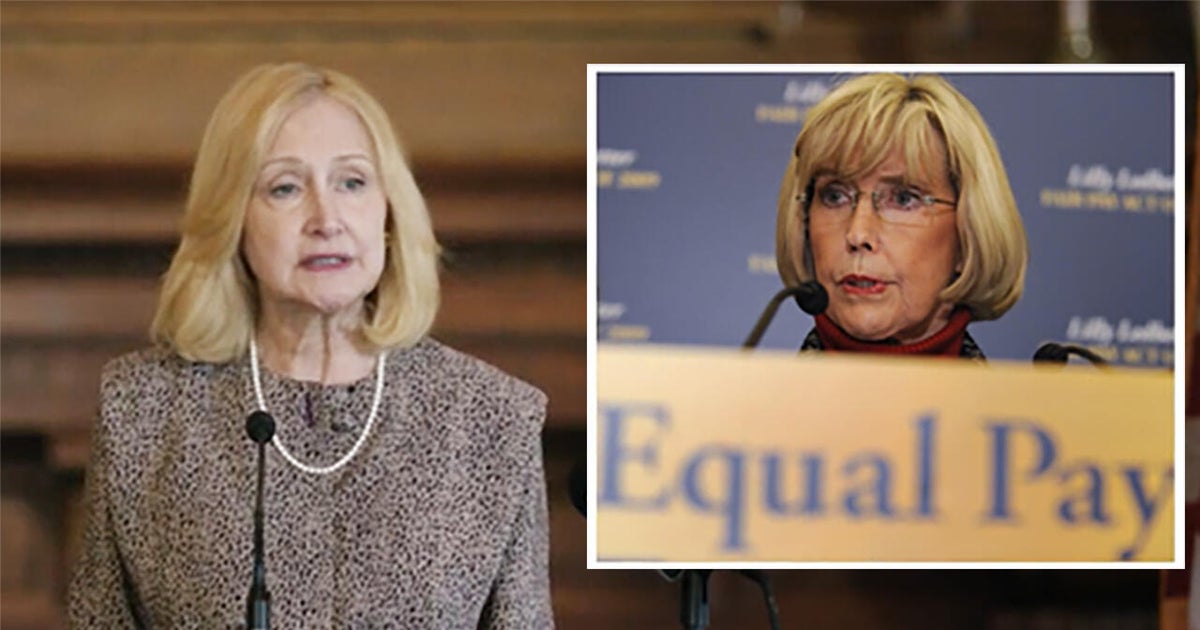
Unveiling the Legacy: Patricia Clarkson’s Portrayal of Equal Pay Pioneer Lilly Ledbetter
In a revealing interview, acclaimed actress Patricia Clarkson discusses her powerful portrayal of Lilly Ledbetter, the Alabama factory worker whose fight for equal pay became a landmark U.S. workplace discrimination case. Clarkson, who played Ledbetter in the 2022 biopic Lilly, explains how the role deepened her understanding of gender pay disparities and why Ledbetter’s story remains urgently relevant today.
The Woman Who Changed Workplace Equality Forever
Lilly Ledbetter spent 19 years as a supervisor at Goodyear Tire & Rubber Company before discovering she earned significantly less than male colleagues in similar roles. Her 1998 lawsuit led to the Lilly Ledbetter Fair Pay Act of 2009 – the first bill President Obama signed into law. Clarkson immersed herself in Ledbetter’s world to capture the quiet determination that sparked a national movement.
“Lilly wasn’t looking to make history,” Clarkson reflects. “She simply wanted what was fair after dedicating her life to that company. There’s a steeliness to her that I tried to honor – that combination of Southern grace and unshakable principle.”
Why Ledbetter’s Fight Still Resonates Today
Despite the legislation bearing her name, pay equity remains elusive. Recent data reveals:
- Women earn 82 cents for every dollar men earn (Pew Research, 2023)
- The gap widens for women of color: Black women (67 cents), Native American (57 cents), Latinas (54 cents)
- At current rates, pay parity won’t be achieved until 2056 (Institute for Women’s Policy Research)
Dr. Sarah Crawford, Director of Workplace Equality at the National Partnership for Women & Families, notes: “Ledbetter’s case exposed systemic discrimination that persists today. The law removed procedural barriers, but cultural and structural changes remain unfinished.”
Clarkson’s Transformation Into an American Icon
To prepare for the role, Clarkson spent months studying Ledbetter’s mannerisms, interviewing her extensively, and visiting the Alabama plant where the discrimination occurred. “The physical environment was crucial,” Clarkson explains. “Feeling that factory floor’s heat, hearing the machinery – it helped me understand Lilly’s daily reality.”
The actress particularly focused on portraying Ledbetter’s pivotal moment of discovery: “When Lilly found that anonymous note revealing her pay disparity, her entire worldview shifted. That betrayal fueled a decade-long legal battle that would exhaust most people.”
The Ripple Effects of Ledbetter’s Activism
Ledbetter’s fight created lasting change beyond the legislation:
- Inspired transparency laws in 18 states requiring salary range disclosures
- Sparked corporate pay equity audits at major companies like Salesforce and Adobe
- Elevated pay gap discussions in mainstream media and popular culture
However, some business groups argue increased regulation creates compliance burdens. “While we support equal pay, rigid mandates can hinder flexible compensation structures,” says Mark Wilson of the Center for Workplace Policy. “Market forces should drive equity as much as legislation.”
How Clarkson’s Performance Honors Ledbetter’s Spirit
Critics praised Clarkson’s nuanced portrayal, particularly in courtroom scenes where Ledbetter faced skeptical judges. “Patricia captured that heartbreaking moment when the Supreme Court ruled against Lilly on a technicality,” says film critic David Edelstein. “You see both the crushing defeat and the resolve that made her take the fight to Congress instead.”
Clarkson herself admits the role changed her: “After living Lilly’s journey, I became more vocal about pay equity in Hollywood. Her story taught me that silence maintains the status quo.”
The Ongoing Battle for Workplace Fairness
p>As new challenges emerge – including pay gaps in the gig economy and AI-driven hiring systems – Ledbetter’s legacy provides a roadmap. Recent developments include:
- The reintroduced Paycheck Fairness Act (2023) to strengthen enforcement
- Growing momentum for salary history bans in hiring processes
- Increased focus on intersectional pay disparities
Ledbetter, now 84, continues advocating through speeches and her foundation. “The work isn’t done,” she said in a recent statement. “Every woman deserves to be valued equally for equal work.”
Clarkson hopes the film inspires viewers: “Lilly’s story proves one person’s courage can change millions of lives. That’s why we need to keep telling it – especially to young women entering the workforce.”
Call to Action: Learn more about pay equity efforts at the Lilly Ledbetter Foundation website or join the conversation using #EqualPayNow on social media.
See more CNET Live