
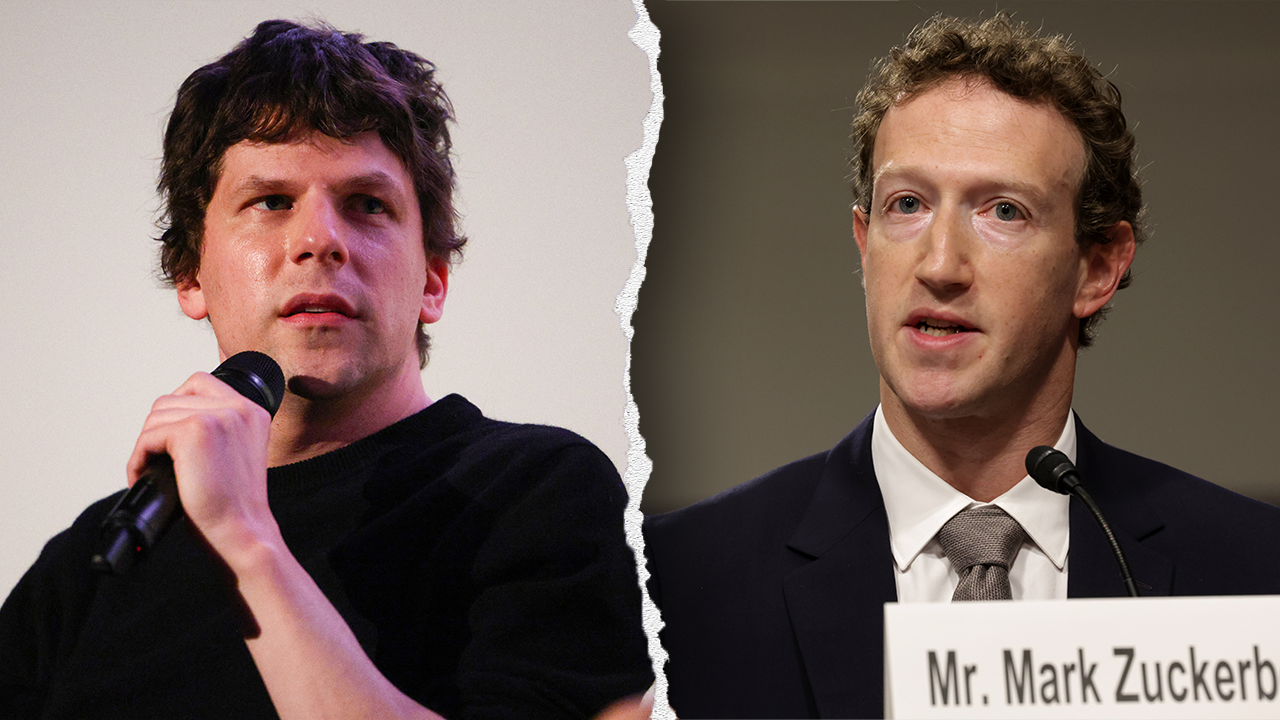
Social Network Star Speaks Out: The Complex Legacy of Mark Zuckerberg
In an exclusive interview, a prominent star from the film “The Social Network” has opened up about the intricate and often controversial legacy of Mark Zuckerberg. This candid discussion not only delves into the personal experiences of the actor but also reflects on the broader implications of Zuckerberg’s actions as the founder of Facebook and the subsequent impact on society. As we navigate the evolving narrative surrounding social media giants, it’s essential to consider both the personal and societal dimensions of Zuckerberg’s legacy.
The Actor’s Perspective: Living in Zuckerberg’s Shadow
When an actor takes on the role of a real-life figure like Mark Zuckerberg, they inevitably become entwined with that person’s legacy. The star, who portrayed a key character in “The Social Network,” expressed mixed feelings about the association. “On one hand, it’s a privilege to bring such a significant narrative to life,” they shared. “But on the other, I often find myself grappling with the fallout of Zuckerberg’s decisions.” This sentiment reflects a broader struggle faced by those connected to public figures whose actions have far-reaching consequences.
The actor elaborated on how the film’s portrayal of Zuckerberg ignited discussions about ethical considerations in tech, privacy, and the responsibilities of social media platforms. “I never expected to be part of a conversation that would evolve so dramatically, especially given how much social media has transformed since the film was released,” they noted. This transformation includes rising concerns over misinformation, data privacy, and the mental health effects of social media usage.
Zuckerberg’s Controversial Reputation
Mark Zuckerberg’s reputation is a complex tapestry woven from both innovation and controversy. As the co-founder of Facebook, he revolutionized the way people connect and communicate. However, his journey has been marred by significant controversies, including:
- Data Privacy Issues: Facebook has faced multiple scandals related to data breaches and mishandling user information, notably the Cambridge Analytica incident.
- Spread of Misinformation: The platform has been criticized for failing to adequately manage the spread of false information, particularly during critical events like elections.
- Impact on Mental Health: Studies have linked extensive social media use to various mental health issues, raising questions about the platform’s role in exacerbating these problems.
These controversies have led to significant public scrutiny and criticism. The actor remarked, “It’s challenging to separate the innovations that Facebook brought to the world from the harm that sometimes accompanied them. This duality makes it hard to have a straightforward opinion about Zuckerberg.”
The Evolving Narrative of Social Media
The narrative surrounding social media is continually evolving, and Zuckerberg’s influence is at the center of this discourse. As social media platforms have grown, so too have the responsibilities that come with them. The actor highlighted how society is increasingly recognizing the need for accountability among tech leaders. “People are starting to demand more transparency and ethical practices from companies like Facebook,” they explained.
Moreover, the rise of alternative platforms and the growing awareness of digital literacy emphasize the need for users to understand the implications of their online presence. “It’s empowering to see people becoming more informed about how they interact with these platforms,” the actor stated. “It’s a necessary evolution that can lead to more responsible social media use.”
Lessons from Zuckerberg’s Journey
Despite the controversies, there are valuable lessons to be gleaned from Zuckerberg’s journey. The actor pointed out that innovation often comes with risks. “Zuckerberg introduced ideas that changed the world, but they also came with unintended consequences. It’s a reminder that progress isn’t always linear,” they noted.
This perspective encourages a more nuanced understanding of the responsibilities that come with technological advancement. As society grapples with these changes, it’s crucial to foster discussions about ethical technology development and user empowerment.
Looking Ahead: A Call for Responsibility
As the conversation around Zuckerberg and social media continues to unfold, the actor emphasizes a collective responsibility. “We all play a part in shaping the digital landscape. Users, creators, and tech leaders must work together to create a healthier online environment,” they asserted.
The actor’s reflections resonate with the broader sentiment that change is necessary. Advocates for responsible tech practices argue for:
- Increased Regulation: Governments and regulatory bodies are being urged to implement stricter regulations on data privacy and misinformation.
- Ethical Design Practices: Tech companies should prioritize user well-being in product design, focusing on transparency and informed consent.
- Education and Awareness: Users need access to resources that promote digital literacy and responsible social media use.
These steps can help mitigate the negative impacts of social media while preserving the benefits of connectivity and information sharing.
Conclusion: Embracing the Complexity
The legacy of Mark Zuckerberg is one of complexity, marked by groundbreaking innovation alongside significant controversy. The actor’s insights illuminate the ongoing dialogue surrounding social media’s role in contemporary society. As we move forward, embracing this complexity will be essential in fostering a digital landscape that prioritizes ethical practices and user empowerment.
In the end, it’s about more than just one individual; it’s about how society chooses to navigate the challenges and opportunities presented by technology. The journey is ongoing, and as the actor emphasized, “We must learn from the past to create a better future for everyone.”
See more CNET Live