
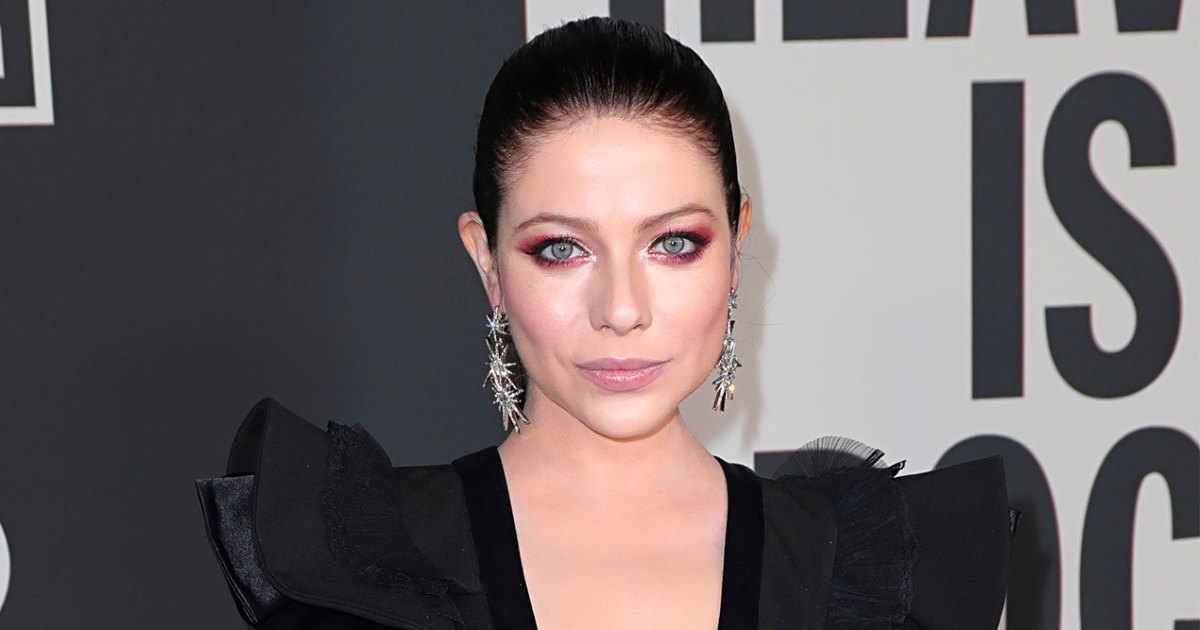
The Omission That Shocked: Michelle Trachtenberg’s Absence from the 2025 Oscars In Memoriam
The 2025 Oscars In Memoriam segment was intended to celebrate the lives and contributions of those who have passed away in the previous year. However, it became a hot topic of discussion and controversy due to the notable absence of beloved actress Michelle Trachtenberg. This omission has sparked questions among fans and critics alike, igniting conversations about legacy, recognition, and the intricacies of Hollywood’s remembrance practices.
Understanding the In Memoriam Segment
The In Memoriam segment at the Oscars has a rich history, serving as a poignant tribute to artists who have left an indelible mark on the film industry. Each year, the Academy of Motion Picture Arts and Sciences curates a list of individuals to honor, reflecting their contributions and impact on cinema. While the list is often seen as a celebration, it can also be a source of contention, especially when beloved figures are omitted.
Why Michelle Trachtenberg’s Absence is Noteworthy
Michelle Trachtenberg, a talented actress known for her roles in iconic shows such as “Buffy the Vampire Slayer” and “Gossip Girl,” has garnered a dedicated fan base over the years. Her contributions to television and film have made her a household name, and her absence from the 2025 Oscars In Memoriam segment has left many questioning the criteria used for selection.
- Cultural Impact: Trachtenberg’s role in shaping the landscape of teen drama and horror television is significant. Her performances have resonated with audiences, making her an important figure in pop culture.
- Public Sentiment: Fans have been vocal on social media, expressing their disbelief and disappointment over her omission. The emotional connection many have with her characters amplifies the shock of her absence.
- Legacy Considerations: As Hollywood continues to evolve, discussions about how legacies are recognized have become increasingly relevant. Trachtenberg’s absence raises questions about who qualifies for remembrance in the industry.
The Fallout from the Omission
The decision not to include Trachtenberg has led to various reactions from both fans and industry professionals. Social media platforms exploded with hashtags and discussions focusing on the significance of her contributions and the apparent oversight by the Academy.
Fan Reactions
Fans took to Twitter, Instagram, and other platforms to express their feelings. Many shared their favorite moments from Trachtenberg’s career, highlighting her performances and the emotional impact they had on them. Some notable reactions included:
- Memories of Iconic Roles: Fans reminisced about her character Dawn Summers in “Buffy the Vampire Slayer,” showcasing how her portrayal resonated with issues of adolescence and personal growth.
- Community Support: Online petitions and campaigns emerged, calling for the Academy to reconsider their choices and acknowledge Trachtenberg’s legacy.
- Industry Critiques: Some industry professionals weighed in, questioning the criteria for selection and advocating for a more inclusive approach to honoring artists.
Analyzing Recognition in Hollywood
The absence of Michelle Trachtenberg from the In Memoriam segment brings to light broader issues surrounding recognition in Hollywood. It is essential to analyze how the industry chooses to honor its artists and the implications of these choices.
The Criteria for Inclusion
The Academy has its own set of criteria for selecting individuals for the In Memoriam segment. While many argue that it should include a broader range of artists, including those who may not have received Oscars but have significantly contributed to the industry, the reality often falls short. Some factors that may influence inclusion are:
- Award Recognition: Many believe that only those who have received major awards or nominations are considered for the In Memoriam tribute.
- Industry Impact: The level of influence a person has had in shaping the industry can also play a role. However, this can lead to a narrow view of what contributions are deemed significant.
- Public Perception: The popularity of an artist can sway decisions, but this can be problematic, as it doesn’t necessarily reflect their true impact on the craft.
Shifting Perspectives on Legacy and Memory
As conversations around Michelle Trachtenberg’s absence continue, there is a growing recognition of the need to reevaluate how legacies are remembered in Hollywood. The industry must navigate a complex landscape where both artistic contributions and public sentiment play crucial roles.
Moving Forward: Advocating for Inclusion
The discourse surrounding Trachtenberg’s omission can serve as a catalyst for change. Advocating for a more inclusive approach to the In Memoriam segment can lead to meaningful dialogue about how artists are remembered. Here are some potential steps moving forward:
- Broader Criteria: The Academy could consider revising its criteria to ensure a more inclusive selection process that reflects the diverse contributions of artists across various mediums.
- Public Input: Engaging with the audience and allowing public votes or suggestions for the In Memoriam segment could create a more democratic representation of who is remembered.
- Highlighting Underrepresented Voices: Recognizing artists from marginalized communities and those who have influenced the industry in less traditional ways can enhance the segment’s significance.
Conclusion
The omission of Michelle Trachtenberg from the 2025 Oscars In Memoriam segment has sparked a vital conversation about legacy, recognition, and the evolving landscape of Hollywood. As fans and critics alike grapple with this decision, it becomes clear that there is a pressing need for the industry to reflect on how it honors its artists. By advocating for a more inclusive and representative approach, we can ensure that all contributions to the film and television world are recognized, celebrated, and remembered.
As we look ahead, it is essential to keep the dialogue alive, championing the voices that have shaped our cultural landscape, and ensuring that all deserving artists receive their due recognition.
See more CNET Live