
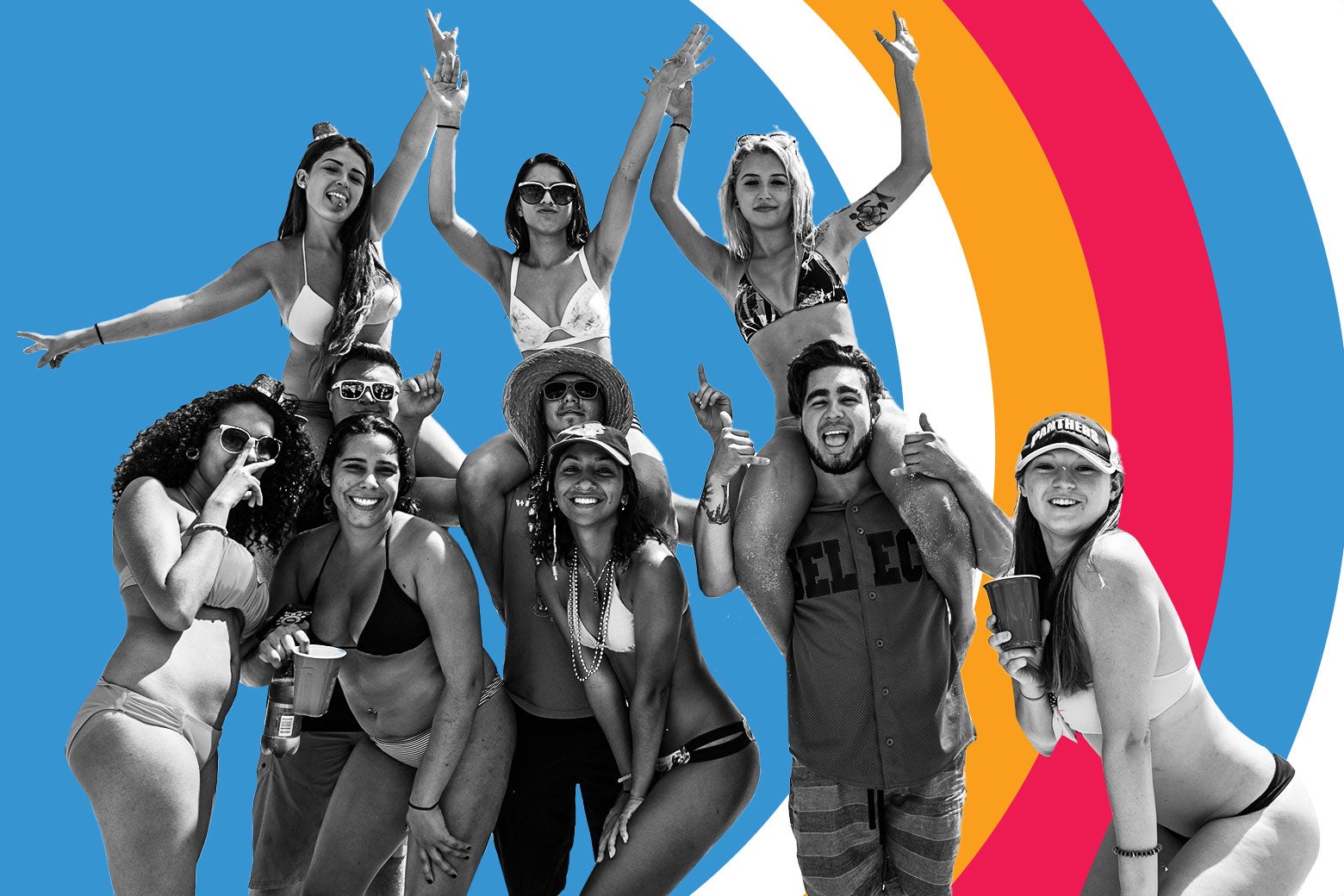
How MTV’s Spring Break Tradition Continues to Evolve in Modern Culture
For decades, MTV’s Spring Break was the definitive youth cultural phenomenon, drawing thousands of college students to sun-soaked beaches for music, mayhem, and televised revelry. Today, the tradition persists but has dramatically shifted, adapting to digital platforms, changing social values, and new forms of entertainment. From influencer-driven parties to eco-conscious travel, spring break remains a rite of passage—but one that reflects the priorities of Gen Z and millennials.
The Golden Era of MTV’s Spring Break
Launched in 1986, MTV’s Spring Break broadcasts transformed the annual college hiatus into a televised spectacle. Locations like Daytona Beach and Cancún became synonymous with live performances, wet T-shirt contests, and celebrity appearances. At its peak in the 1990s, the event drew over 1.5 million viewers per episode, according to Nielsen ratings, cementing its place in pop culture.
“MTV didn’t just cover spring break—it created a blueprint for how young people experienced it,” says Dr. Lauren Carter, a cultural historian at the University of Miami. “The network turned a week of freedom into a branded, aspirational event.”
However, as cable TV’s influence waned, so did MTV’s dominance. By the mid-2000s, the network scaled back its coverage, eventually discontinuing the annual special in 2015. Yet, rather than disappearing, spring break reinvented itself.
The Rise of Social Media and Influencer Culture
Today’s spring break is less about TV cameras and more about Instagram stories and TikTok trends. Social media platforms have decentralized the experience, allowing participants to curate their own narratives. Destinations like Miami and Cabo San Lucas now thrive on user-generated content, with influencers often setting the tone.
- 82% of Gen Z travelers research trips based on social media recommendations (Morning Consult, 2023).
- Hashtags like #SpringBreak2024 garner over 3 million posts on Instagram.
“The energy is still there, but it’s more fragmented,” notes Javier Ruiz, a marketing strategist for youth brands. “A viral TikTok dance or a trending party spot can define the entire season now. It’s no longer about what MTV tells you is cool—it’s about what your peers are posting.”
Shifting Priorities: From Party Hard to Travel Smart
Modern spring breakers are also redefining what the tradition means. Sustainability, safety, and inclusivity have become key concerns. A 2023 survey by StudentUniverse revealed:
- 47% of students prioritize eco-friendly accommodations.
- 33% opt for group travel with structured itineraries over chaotic beach parties.
Destinations have taken note. Cities like Tampa and San Diego now promote “alternative” spring break programs, offering volunteer opportunities and wellness retreats alongside traditional nightlife.
The Future of Spring Break: Hybrid Experiences
As the tradition evolves, a hybrid model is emerging—one that blends digital engagement with real-world experiences. Virtual concerts, metaverse parties, and AI-powered travel planners are beginning to shape how students plan their escapes.
“The essence of spring break—freedom, connection, and adventure—hasn’t changed,” says Carter. “But the ways we express it will keep adapting. Whether it’s through a VR headset or a beachfront DJ set, the spirit lives on.”
For those looking to relive the nostalgia or discover the next trend, spring break remains a cultural barometer, reflecting the values and innovations of each generation. As you pack your bags or scroll for inspiration, remember: the party isn’t over—it’s just getting a reboot.
See more CNET Live