
Unraveling the Truth: The Controversy Behind the ‘Napalm Girl’ Photo
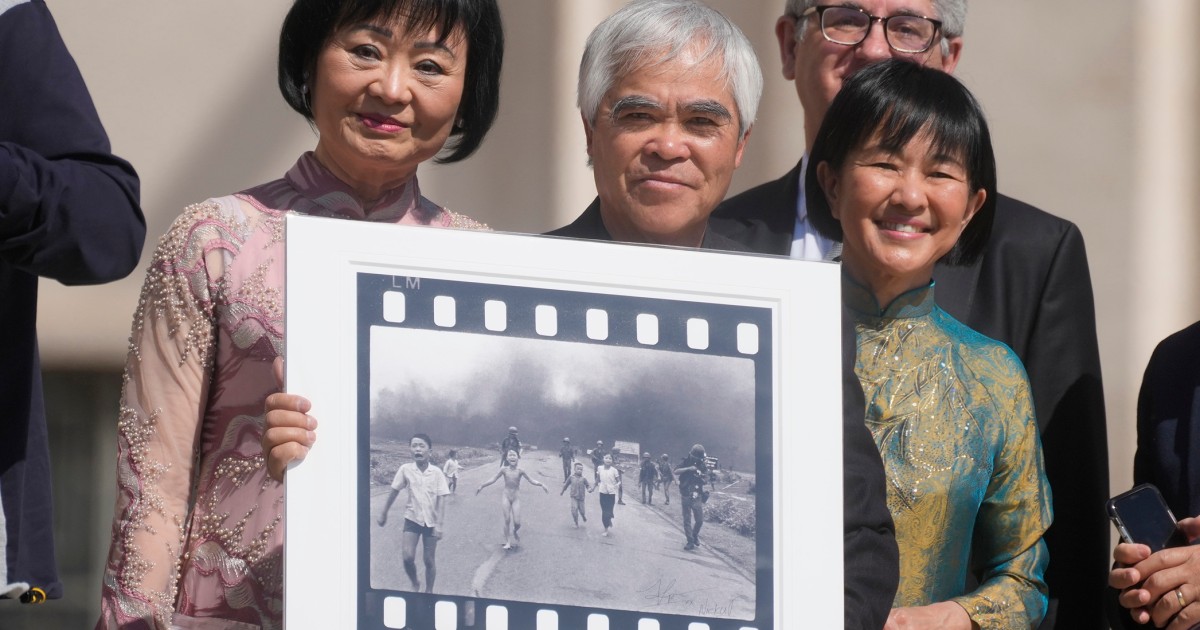
The ‘Napalm Girl’ photograph, taken by photographer Nick Ut during the Vietnam War in 1972, has become one of the most iconic images of conflict and suffering in modern history. This haunting image depicts a young girl, Phan Thi Kim Phuc, fleeing a napalm attack, her skin burned and her face contorted in pain. This powerful photograph not only captured the raw brutality of war but also sparked a global outcry against the Vietnam War and the use of napalm. However, a new Sundance documentary delves deeper into the photograph’s legacy, raising questions about authorship, historical narrative, and the implications of such a powerful image.
The Origins of the Napalm Girl Photograph
Nick Ut, a photographer for the Associated Press, took the photograph on June 8, 1972, during a mission near Trang Bang, a small town in South Vietnam. The image depicts Kim Phuc, along with other children, running from a bombing that had just struck their village. The sight of the children, particularly Kim Phuc, who was severely burned, evoked a visceral reaction from viewers around the world. Ut’s photograph was published on the front pages of newspapers globally and played a significant role in shaping public perception of the Vietnam War.
The Documentary: Questions and Controversies
The recent Sundance documentary, titled “Napalm Girl,” seeks to explore not only the impact of the photograph on the public consciousness but also the controversies surrounding it. One of the central themes of the film is the question of authorship. While Ut is credited with capturing the image, the documentary suggests that the narrative surrounding the photograph has often overshadowed the voices of those directly involved, particularly Kim Phuc herself.
Throughout the years, Kim Phuc has shared her harrowing story of survival, yet the documentary posits that her narrative has often been manipulated or sidelined in favor of the sensationalism surrounding the photograph. The film challenges viewers to reconsider the implications of using such an image as a representation of war and suffering. It asks: Who owns the story behind the image? And how does this ownership affect the historical narrative we understand?
The Legacy of the ‘Napalm Girl’ Photograph
The legacy of the ‘Napalm Girl’ photograph is multifaceted. On one hand, it has served as a powerful anti-war symbol, contributing to the growing disillusionment with the Vietnam War. The image’s emotional weight has played a crucial role in mobilizing public opinion against the use of napalm and other devastating weapons in warfare, highlighting the human cost of conflict.
- Iconic Symbol of Innocence Lost: The photograph encapsulates the loss of innocence in war, serving as a reminder of the devastating impact on civilian lives.
- Impact on Public Sentiment: It significantly swayed public opinion, pushing many to advocate for peace and the end of U.S. involvement in Vietnam.
- Human Rights Advocacy: The image has continued to inspire humanitarian efforts and discussions about the rights of children in conflict zones.
However, the documentary also prompts a critical examination of how such images can be appropriated or commodified. The ethics of representing suffering through photography raises significant questions about exploitation and the responsibilities of photographers and media outlets. In an age where social media can amplify such images, the line between awareness and voyeurism becomes increasingly blurred.
Keen Insights from Kim Phuc
Kim Phuc’s journey after the photograph was taken is nothing short of remarkable. After surviving her injuries, she faced numerous challenges, including years of medical treatment and psychological trauma. Nevertheless, she emerged as a symbol of resilience and forgiveness, eventually becoming an advocate for peace. Her story has been a powerful counter-narrative to the sensationalized version of her image.
In the documentary, Kim Phuc reflects on her life, acknowledging the pain that the photograph brought into her life, while also recognizing its role in advocating for peace. She emphasizes the importance of understanding the complexities of her experience beyond the image itself. The film captures her journey of healing and her desire to use her story to promote reconciliation rather than division.
Revisiting Historical Narratives
The documentary serves as a reminder that historical narratives are often constructed through selective storytelling. The ‘Napalm Girl’ photo, while powerful, represents a singular moment in a vast and complex war. As the film highlights, it is crucial to consider the broader context of the Vietnam War, including its political ramifications, the experiences of those directly affected, and the ongoing legacy of such conflicts.
This thought-provoking exploration urges viewers to reflect on the narratives we consume and how they shape our understanding of history. By examining the voices that have been marginalized or omitted, the documentary encourages a more nuanced approach to historical storytelling.
Conclusion: A Call for Reflection
The controversy surrounding the ‘Napalm Girl’ photograph and its legacy continues to resonate in contemporary discussions about war, representation, and the ethics of photography. As the Sundance documentary reveals, the narrative surrounding this iconic image is far more complex than it may initially appear. It invites audiences to not only reconsider their perceptions of the photograph but also to engage in a deeper discourse about authorship and the responsibility that comes with depicting human suffering.
In a world inundated with images, the story of Kim Phuc reminds us of the importance of empathy and understanding. As we unravel the truth behind the ‘Napalm Girl’ photo, we are called to honor the stories of those who suffer, ensuring that their voices are heard and their experiences recognized beyond the confines of a single powerful image.
See more CNET Live