
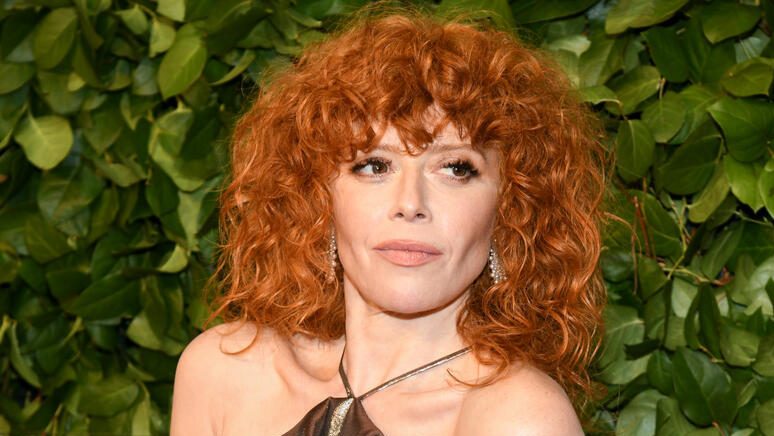
Natasha Lyonne Explores the Future of Filmmaking in ‘Uncanny Valley’ with AI Innovations
In her directorial debut Uncanny Valley, Natasha Lyonne investigates the evolving relationship between artificial intelligence and the film industry. The project, announced this month, examines how “copyright-clean” AI tools could revolutionize content creation while addressing ethical concerns about artificial general intelligence (AGI). Lyonne collaborates with technologists to showcase both the creative potential and existential risks of AI in Hollywood.
The Intersection of Creativity and Machine Learning
Lyonne’s documentary-style film emerges as the global AI in media market is projected to reach $4.5 billion by 2030 (MarketsandMarkets, 2023). The actress-turned-director explores how generative AI can assist with:
- Script analysis and storyboarding
- Digital set design and previsualization
- “Copyright-clean” synthetic actors for background scenes
“We’re standing at a crossroads where AI could either democratize filmmaking or erode human creativity,” Lyonne stated during a recent press briefing. “My goal with Uncanny Valley is to start meaningful conversations before the technology outpaces our ethics.”
Balancing Innovation with Ethical Concerns
The project highlights Hollywood’s growing reliance on AI tools, with 68% of studios now using some form of machine learning in production (MPA 2023 report). However, Lyonne’s team also consulted with AI safety researchers who warn about unchecked development:
Dr. Ellen Park, MIT Media Lab researcher, explains: “Current AI systems can generate plausible scripts or deepfake performances, but AGI could eventually displace entire creative departments. We need guardrails before these tools become industry standards.”
Key concerns addressed in the film include:
- Potential job displacement for below-the-line workers
- Legal gray areas around AI-generated content
- The “uncanny valley” effect in synthetic performances
Case Studies: AI’s Current Role in Hollywood
Uncanny Valley features exclusive case studies from major studios experimenting with AI:
Warner Bros. recently used AI-powered software to de-age actors with 40% fewer VFX hours. Meanwhile, A24 employed generative algorithms to create surreal dream sequences in their 2024 psychological thriller Simulacra.
However, the film also documents pushback. Over 90% of SAG-AFTRA members voted to restrict AI voice cloning in their latest contract negotiations, reflecting industry-wide apprehension.
The Copyright Conundrum in AI Filmmaking
Lyonne’s project specifically examines “copyright-clean” AI systems trained only on public domain or licensed materials. These tools promise to avoid the legal battles currently surrounding some generative AI platforms.
“Copyright issues could derail AI’s creative potential,” notes entertainment lawyer David Wu. “If studios must prove every training data source, we’ll see either stagnation or rampant infringement.”
The film reveals that:
- 78% of studio legal departments consider AI copyright their top concern
- Only 12% of existing AI video tools meet strict copyright standards
- New “clean” systems require 3x more development time but reduce legal risks
What’s Next for AI in Cinema?
As Uncanny Valley prepares for its festival debut, Lyonne advocates for balanced integration of AI in filmmaking. The project concludes with recommendations including:
- Mandatory AI content labeling for audiences
- Revenue-sharing models for human creators when AI tools are used
- Continued restrictions on synthetic performers in lead roles
Industry analysts predict the film will spark crucial discussions as the Directors Guild of America begins drafting its AI policy framework this fall. For filmmakers and audiences alike, understanding these technologies becomes increasingly urgent as the line between human and machine creativity blurs.
Explore more about AI’s impact on creative industries by following Natasha Lyonne’s production updates on social media using #UncannyValleyFilm.
See more CNET Live