
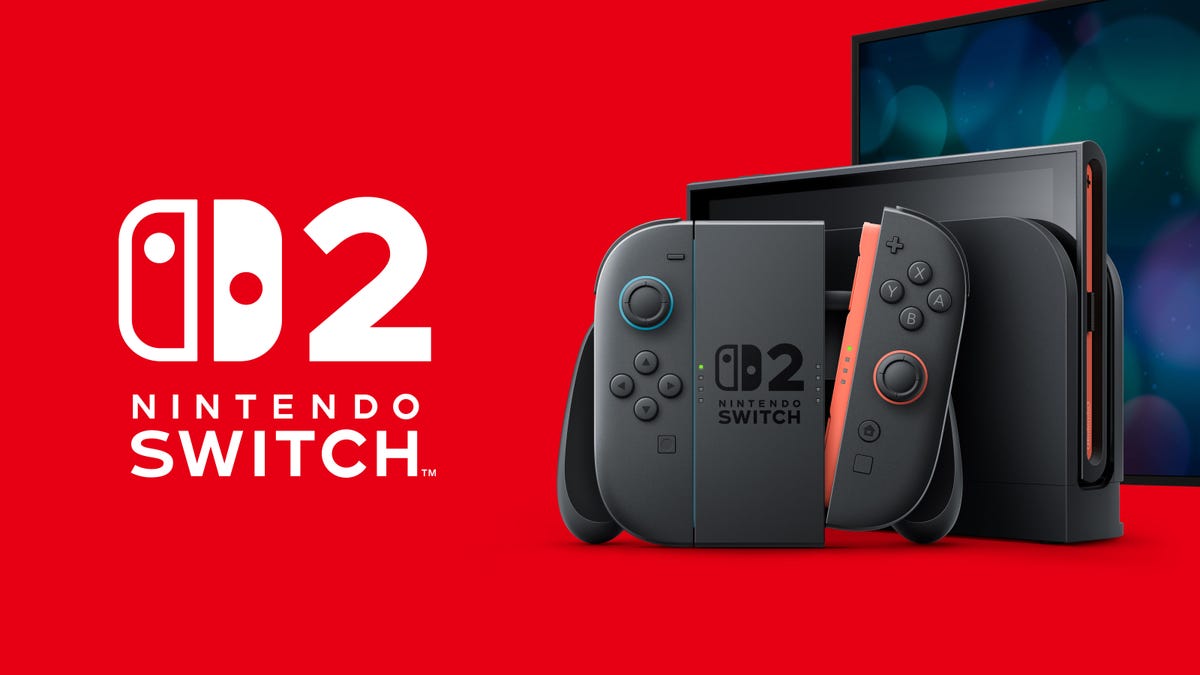
Can Nintendo Overcome Its Challenges to Compete with the Steam Deck?
As the gaming landscape rapidly evolves, Nintendo finds itself at a pivotal juncture, particularly with the anticipated release of the Switch 2. The rise of handheld gaming devices like the Steam Deck has intensified competition, prompting questions regarding Nintendo’s adaptability and innovation. Will the venerable gaming giant embrace change, or will it cling to its traditional methods? This article delves into the challenges Nintendo faces and explores whether it can overcome these hurdles to thrive in a market increasingly influenced by versatile gaming platforms.
The Current Gaming Landscape
The gaming industry has witnessed a seismic shift over the past decade. With the advent of powerful handheld devices, gamers now have a plethora of options. The Steam Deck, developed by Valve, has emerged as a formidable competitor by offering a unique blend of portability and performance. As a device that runs a vast library of PC games, it appeals to a segment of the market that seeks flexibility and power.
In contrast, Nintendo has long relied on its iconic franchises, such as Mario and Zelda, to drive sales. While these games have a loyal fan base, the company must consider how to sustain its appeal in a world where gamers crave more than nostalgia. The challenge lies not just in competing directly with the Steam Deck but also in understanding and adapting to the evolving preferences of today’s gamers.
Nintendo’s Unique Position
Nintendo has always been known for its innovative approach to gaming. From the original NES to the groundbreaking Wii, the company has a history of redefining gameplay experiences. However, with the Switch, Nintendo found a successful formula that combined home console and handheld gaming. This hybrid approach has proven popular, but the question remains: can Nintendo innovate further to keep pace with competitors like the Steam Deck?
The Switch’s success can be attributed to its unique features:
- Hybrid Design: The ability to seamlessly switch between handheld and docked modes has attracted a diverse audience.
- Exclusive Titles: Nintendo’s rich catalog of exclusive games continues to draw players who value unique experiences over sheer power.
- Family-Friendly Gaming: Nintendo’s focus on games suitable for all ages sets it apart in a market that often leans toward mature content.
As Nintendo gears up for the Switch 2, it must leverage these strengths while addressing its weaknesses. The gaming community is buzzing with speculation about what features the new device will bring, and whether it can capture the same innovative spirit that defined its predecessors.
Challenges Faced by Nintendo
Despite its storied legacy, Nintendo faces several challenges that could hinder its ability to compete effectively with the Steam Deck:
1. Technological Limitations
While the Switch has been a commercial success, it has often been criticized for its hardware limitations. As games become more demanding, the current technology may struggle to keep pace. The Steam Deck, with its more robust specifications, can run graphically intensive games that the Switch simply cannot. If Nintendo wishes to compete, it must ensure that the Switch 2 incorporates modern technology that meets gamers’ expectations.
2. Digital Storefront and Ecosystem
The Steam Deck benefits from Valve’s extensive digital storefront—Steam—which offers a vast library of games, frequent sales, and a thriving community. Nintendo’s eShop, while improved, still lags in comparison. A more competitive digital ecosystem could be a game-changer for Nintendo, allowing it to not only sell games but also foster a community around them. Enhancing its online services and offering features similar to those of Steam could help Nintendo attract more players.
3. Addressing Third-Party Support
Another challenge is third-party support. The Steam Deck easily accommodates a wide range of PC titles, while many developers often overlook the Switch due to its hardware constraints. To compete effectively, Nintendo must cultivate relationships with developers to encourage them to create or port games for its system. A more robust library of third-party titles could significantly enhance the Switch 2’s appeal.
Strategies for Overcoming Challenges
To successfully compete with the Steam Deck, Nintendo must consider several strategic approaches:
1. Embracing Technological Innovation
Innovation should be at the forefront of Nintendo’s agenda. The Switch 2 must not only match the performance capabilities of the Steam Deck but also introduce unique features that differentiate it from competitors. This could include enhanced graphics, improved battery life, or innovative control schemes that leverage Nintendo’s legacy of creativity.
2. Expanding the Digital Ecosystem
Revamping the Nintendo eShop is crucial. By enhancing user experience, improving game discovery, and providing better deals or subscriptions, Nintendo can create an enticing environment for gamers. Consideration of features like cloud saves, cross-play, and improved online multiplayer experiences could also attract a broader audience.
3. Strengthening Third-Party Relationships
Nintendo should actively engage with developers to ensure a steady stream of high-quality third-party titles. This could involve offering incentives for developers to bring their games to the Switch 2, such as easier development tools, financial support, or marketing assistance. A diverse game library will be essential to appealing to a wider audience.
The Future of Nintendo
The gaming world is unpredictable, and while Nintendo has faced challenges, it also has the potential to rise to the occasion. The company has proven time and again that it can innovate and adapt, and the release of the Switch 2 will be a critical moment for its future.
Ultimately, the question remains: Can Nintendo overcome its challenges to compete with the Steam Deck? The answer largely depends on its willingness to embrace change, invest in technology, and foster relationships within the gaming community. If Nintendo can harness its creative spirit and adapt its strategies to meet the demands of contemporary gamers, it stands a good chance of not only surviving but thriving in this competitive landscape.
As we await the arrival of the Switch 2, the gaming community is eager to see how Nintendo will respond to the challenges ahead. With a legacy of innovation and a loyal fan base, the company has the foundation to continue shaping the future of gaming.
See more CNET Live