
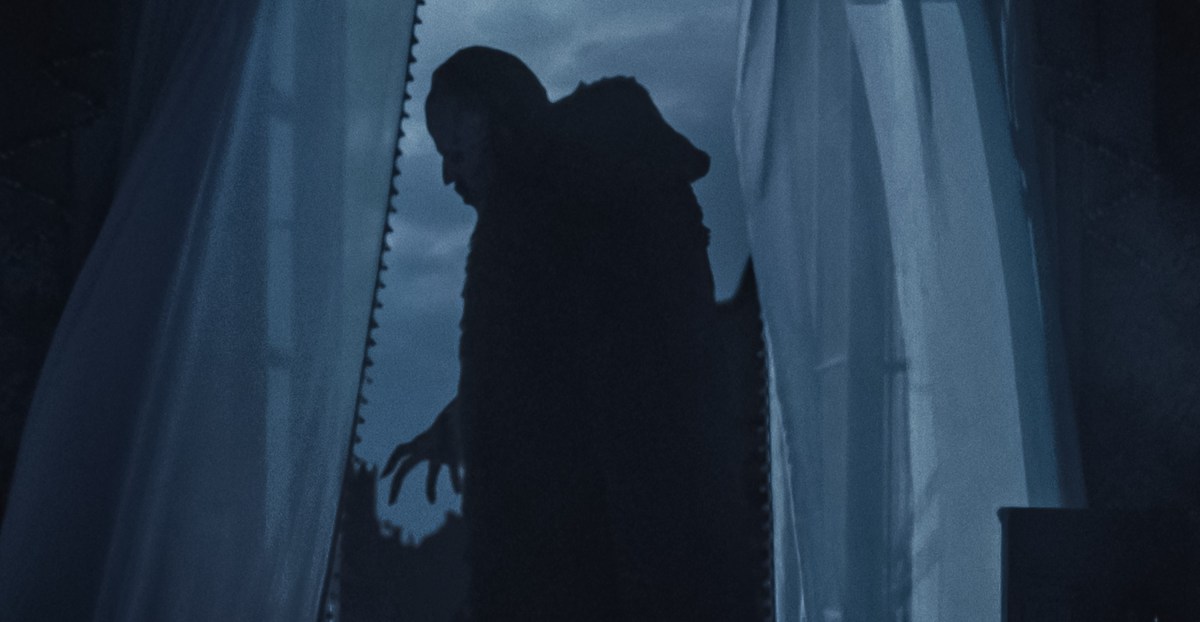
Nosferatu: The Haunting Revival Set to Premiere on Peacock
The iconic horror film “Nosferatu” is set to make its debut on Peacock, reigniting interest in the classic silent film. Originally released in 1922, this groundbreaking work not only laid the foundation for the vampire genre but also influenced countless filmmakers and artists across generations. As it arrives for a new generation of viewers, it’s essential to explore the film’s legacy, its profound impact on modern cinema, and what this revival means for both old fans and newcomers alike.
The Legacy of Nosferatu
Directed by F.W. Murnau, “Nosferatu” is widely regarded as one of the most significant works of horror cinema. The film is an unauthorized adaptation of Bram Stoker’s “Dracula,” and its chilling portrayal of Count Orlok, played by Max Schreck, has left an indelible mark on the genre. From its eerie visuals to its haunting score, “Nosferatu” is a masterclass in atmosphere and mood, demonstrating the power of visual storytelling.
Upon its release, “Nosferatu” faced legal challenges from Stoker’s estate, which led to a court ruling that ordered all copies of the film to be destroyed. Thankfully, some prints survived, allowing this seminal work to influence filmmakers like Alfred Hitchcock, John Carpenter, and Werner Herzog. Its stylistic innovations, such as the use of shadows and expressionistic sets, paved the way for future horror films and established a template that many would follow.
The Influence on Modern Cinema
The impact of “Nosferatu” extends far beyond its initial release. The film’s aesthetic and thematic elements have been echoed in numerous films and television series throughout the decades. For instance:
- Horror and Suspense: The use of suspenseful pacing and atmospheric dread has been a hallmark of horror films since.
- Vampire Lore: “Nosferatu” introduced a more grotesque interpretation of vampires, influencing how these creatures are portrayed in modern media.
- Visual Techniques: The film’s innovative use of lighting and shadow has inspired directors across various genres.
Moreover, the film has had a cultural resonance that extends into popular music, literature, and visual arts. Artists and musicians have drawn inspiration from Orlok’s haunting visage, creating a lasting legacy that continues to haunt modern storytelling.
The Revival on Peacock
As “Nosferatu” prepares for its premiere on Peacock, the revival is timely. With the growing interest in horror and classic films, this release offers an opportunity for both nostalgia and discovery. Peacock’s streaming platform allows for a wider audience to experience this landmark film, potentially drawing in younger viewers who may not have encountered it otherwise.
This revival is not just about showcasing a film; it represents a cultural moment where classic cinema is celebrated and recontextualized for today’s audience. The film’s themes of fear, isolation, and the uncanny remain relevant, prompting discussions about societal anxieties that resonate with contemporary viewers.
What to Expect from the Premiere
Peacock’s presentation of “Nosferatu” is expected to include remastered visuals and improved sound quality, enhancing the viewing experience for both new and returning fans. Additionally, the platform may provide supplementary content, such as:
- Documentaries: Insights into the making of “Nosferatu” and its enduring legacy.
- Interviews: Conversations with filmmakers and scholars discussing the film’s impact on the horror genre.
- Commentary Tracks: Expert analysis on the film’s techniques and thematic depth.
The revival on Peacock offers an immersive experience that connects the past with the present, allowing audiences to appreciate the artistry of Murnau’s work while engaging with its ongoing relevance.
Why “Nosferatu” Still Matters Today
In an era dominated by CGI and high-budget productions, “Nosferatu” serves as a reminder of the power of simplicity in storytelling. Its stark visuals, minimal dialogue, and haunting score resonate in a way that many modern films struggle to achieve. The film encourages viewers to engage their imaginations, drawing them into a world where fear is palpable and the unknown lurks just beyond the shadows.
Moreover, the themes of alienation and otherness explored in “Nosferatu” speak to contemporary issues of identity and societal fears. The character of Count Orlok embodies the outsider, a theme that can be seen in various films today. This connection fosters discussions around the human experience, making “Nosferatu” not just a horror film, but a profound exploration of fear and humanity.
A New Generation of Fans
The arrival of “Nosferatu” on Peacock is an exciting opportunity for a new generation to engage with this classic horror film. For those unfamiliar with silent cinema, this revival serves as an introduction to a rich and varied genre that laid the groundwork for modern filmmaking. It invites audiences to appreciate the artistry of the past while recognizing its influence on present-day cinema.
As viewers settle down to watch “Nosferatu,” they’ll not only witness the birth of the vampire film but also participate in a cultural dialogue that spans over a century. This revival is more than just a nostalgic trip; it’s a chance to explore how the fears and anxieties of the past continue to resonate today.
Conclusion
The premiere of “Nosferatu” on Peacock is a noteworthy event in the realm of cinema, bridging the gap between the past and the present. This iconic horror film has shaped the genre in profound ways, and its revival offers both old fans and new viewers a chance to engage with its themes and legacy. As audiences prepare to dive into the haunting world of Count Orlok, they will not only experience a cinematic masterpiece but also connect with a story that transcends time, reminding us of the enduring power of fear and art.
See more CNET Live