
Unlocking the Power of ‘The Piano Lesson’: A Deep Dive into August Wilson’s Pulitzer-Winning Masterpiece
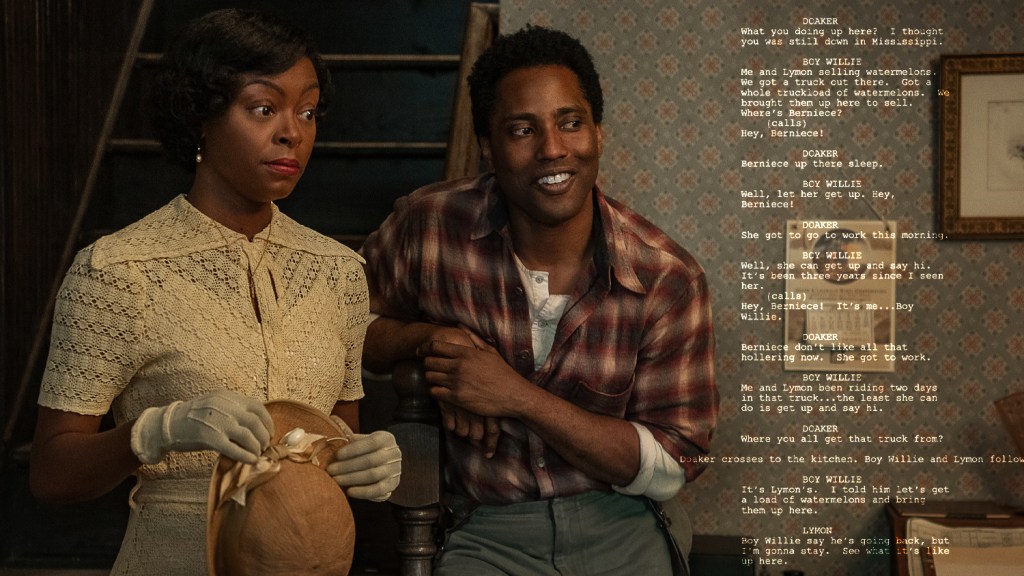
August Wilson’s ‘The Piano Lesson’ stands as a monumental work in American theater, grappling with themes of heritage, struggle, and the complex legacy of African American history. This Pulitzer Prize-winning play, first performed in 1987, is part of Wilson’s Pittsburgh Cycle, which chronicles the African American experience across different decades of the 20th century. In this article, we will explore the intricate layers of ‘The Piano Lesson,’ delving into its themes, characters, and cultural significance, while also examining its impact on contemporary literature and theater.
Understanding the Core Themes
At the heart of ‘The Piano Lesson’ lies a profound exploration of heritage and identity. The play centers around a family dispute regarding a valuable family heirloom: a piano that symbolizes the complex relationship between African American history and the struggle for identity.
Heritage and Legacy
The piano itself is a character within the play, representing the family’s past struggles and triumphs. Boy Willie, one of the main characters, desires to sell the piano to purchase land, believing that land ownership is key to true freedom and economic stability. In contrast, his sister, Berniece, sees the piano as a testament to their family’s history, a connection to their ancestors who endured the horrors of slavery.
- Boy Willie: Represents the push for economic advancement and the idea that progress necessitates letting go of the past.
- Berniece: Embodies the need to honor and remember the past, emphasizing that heritage is an integral part of identity.
This conflict raises essential questions about the value of cultural heritage versus the necessity of progress, a theme that resonates deeply in contemporary discussions about race, identity, and socio-economic mobility.
The Role of Memory and the Supernatural
Memory plays a crucial role in ‘The Piano Lesson,’ not only as a personal narrative but also as a collective memory that shapes the identity of a community. The presence of the ghost of their deceased father underscores the importance of memory in preserving cultural legacy. This spectral figure serves as a reminder of the sacrifices made by previous generations and the weight of their expectations on the current generation.
Wilson masterfully intertwines the supernatural with the tangible, illustrating how the past is never truly gone; it lingers, influencing decisions and shaping identities. The ghostly visitation serves as a poignant reminder that the characters cannot escape their past, nor should they wish to.
Character Analysis
The characters in ‘The Piano Lesson’ are vividly drawn, each embodying different aspects of the African American experience. The dynamic between Boy Willie and Berniece reflects broader societal tensions regarding cultural heritage and economic advancement.
Boy Willie
Boy Willie is a complex character who represents the drive for progress. His eagerness to sell the piano highlights his belief in material success as a pathway to freedom. However, his character also grapples with the weight of his ancestral past. His struggle illustrates the tension between individual ambition and collective memory, raising questions about what it means to truly honor one’s heritage.
Berniece
Berniece represents a more cautious approach to their family history. Her reluctance to part with the piano signifies a deeper understanding of the importance of legacy. She embodies the emotional and spiritual ties to their ancestors, emphasizing that true wealth lies not in material possessions but in the stories and memories that are passed down through generations.
Cultural Significance and Impact
The impact of ‘The Piano Lesson’ extends far beyond the confines of the stage. It has ignited conversations about race, history, and identity that remain relevant today. Wilson’s work provides a platform for exploring the African American experience, encouraging audiences to confront uncomfortable truths about the past.
Influence on Theater and Literature
Wilson’s work has paved the way for a new generation of playwrights and storytellers. His focus on African American narratives has inspired playwrights to explore their cultural heritage and present their stories on stage. ‘The Piano Lesson’ has been adapted into various formats, including film, further cementing its status as a cultural touchstone.
- Legacy in Theater: Wilson’s Pittsburgh Cycle has influenced countless productions, highlighting the importance of African American voices in theater.
- Contemporary Relevance: Themes of racial identity, economic disparity, and cultural heritage resonate with current social movements, such as Black Lives Matter.
Conclusion: A Timeless Exploration of Identity
‘The Piano Lesson’ by August Wilson serves not only as a compelling narrative but also as a vital exploration of the complexities of African American identity. Through its multifaceted characters and rich themes, the play speaks to the importance of heritage and the ongoing struggle for recognition and empowerment within the fabric of American society.
As audiences reflect on the lessons imparted through Wilson’s work, it becomes evident that the questions raised in ‘The Piano Lesson’ remain pertinent. In a world where the past continues to shape the present, Wilson encourages us to engage with our history, honoring those who came before us while forging a path forward. The power of ‘The Piano Lesson’ lies in its ability to inspire dialogue, foster understanding, and ultimately, unlock the enduring strength found within our shared stories.
See more CNET Live