
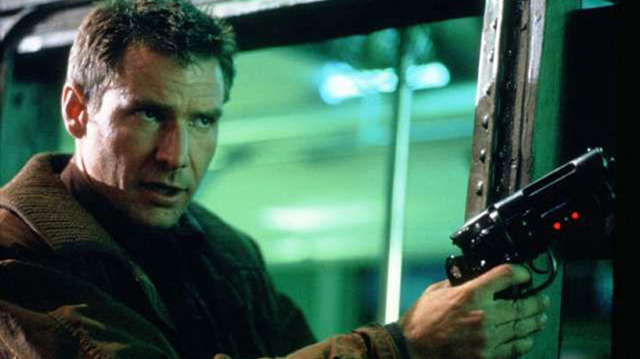
Ridley Scott Reveals How He Convinced Investors That Harrison Ford Was the Right Choice for ‘Blade Runner’
In a captivating interview, renowned director Ridley Scott delves into the intricate process of bringing his visionary sci-fi masterpiece, ‘Blade Runner,’ to life. One of the more significant challenges he faced was convincing investors that casting Harrison Ford as the lead character, Rick Deckard, was not only a bold move but the right one. Scott’s insights into this pivotal decision reflect his artistic vision and the film’s lasting legacy as a cornerstone of science fiction cinema.
The Vision Behind ‘Blade Runner’
When Ridley Scott began conceptualizing ‘Blade Runner,’ he envisioned a film that challenged the boundaries of the science fiction genre. Based on Philip K. Dick’s novel ‘Do Androids Dream of Electric Sheep?’, the film was set in a dystopian future where synthetic humans, known as replicants, were created to serve as laborers on off-world colonies. However, these replicants were illegal on Earth, and it was the job of Blade Runners, like Deckard, to hunt them down.
Scott’s ambition was to create a visually stunning and thematically rich narrative that explored complex questions about humanity, identity, and morality. However, to realize this vision, he needed the backing of investors who were often skeptical about the commercial viability of a film that was so far removed from traditional Hollywood offerings.
Harrison Ford: A Controversial Choice
At the time of casting, Harrison Ford was primarily known for his role as Han Solo in the ‘Star Wars’ franchise. While he had already established himself as a box office draw, Scott faced considerable pushback from investors who believed that Ford’s association with a franchise film might not translate to the darker, more philosophical tone of ‘Blade Runner.’
Scott recognized that Ford possessed a unique blend of charisma and vulnerability that would make Deckard a compelling character. However, convincing investors of this was no small feat. During the interview, Scott shared that he had to effectively argue that Ford’s existing star power could be leveraged to attract audiences, while also emphasizing the depth of the character he would portray.
Pitching to Investors
Scott’s approach to pitching ‘Blade Runner’ was multifaceted. He sought to highlight several key points to persuade investors:
- Star Power: Scott underscored Ford’s popularity and box office success, arguing that his presence could draw in audiences who might otherwise overlook a sci-fi film.
- Innovative Storytelling: He articulated his vision for a narrative that went beyond typical sci-fi tropes, focusing on existential questions that would resonate with viewers.
- Visual Aesthetic: Scott presented a detailed vision of the film’s groundbreaking visual style, which included the use of practical effects and a striking neo-noir aesthetic that would set it apart from other films of the era.
- Strong Supporting Cast: He highlighted the ensemble cast, which included notable actors like Rutger Hauer, Sean Young, and Edward James Olmos, suggesting that this would elevate the film’s overall quality.
Ultimately, Scott’s passion and conviction regarding Ford’s casting began to sway some investors. He argued that Ford’s ability to convey emotional depth would enhance the film’s narrative, making audiences empathize with a character who grapples with his own humanity.
The Outcome: A Lasting Legacy
Upon its release in 1982, ‘Blade Runner’ faced a mixed reception. While some critics were puzzled by its pacing and philosophical themes, others lauded its visual artistry and Ford’s performance. Over the years, the film has garnered a cult following and is now regarded as one of the most influential science fiction films ever made.
Scott’s foresight in casting Ford not only paid off at the box office but also contributed to the film’s enduring legacy. Ford’s portrayal of Deckard added a layer of complexity to the character, allowing audiences to connect with his internal struggles and ethical dilemmas. The film’s exploration of what it means to be human continues to resonate, inspiring discussions and analyses decades after its release.
Lessons from Scott’s Experience
Ridley Scott’s journey in casting Harrison Ford offers valuable lessons for filmmakers and creatives alike:
- Trust Your Instincts: Scott believed in Ford’s potential to bring depth to Deckard, despite the doubts of investors. Following one’s creative vision is essential, even when facing opposition.
- Artistic Vision is Key: Scott’s emphasis on the film’s innovative storytelling and visual style showcases the importance of having a clear artistic direction when pitching projects.
- Collaboration Matters: Engaging with a strong ensemble cast can elevate a film’s quality, making it more appealing to investors and audiences alike.
Conclusion
Ridley Scott’s revelations about convincing investors that Harrison Ford was the right choice for ‘Blade Runner’ provide a fascinating glimpse into the complexities of filmmaking. His determination to cast Ford not only shaped the film but also contributed significantly to its status as a classic. The challenges Scott faced in securing the film’s financing remind us of the delicate balance between commercial viability and artistic integrity in the film industry. As ‘Blade Runner’ continues to inspire new generations, it’s clear that Scott’s vision and Ford’s performance have left an indelible mark on cinematic history.
See more CNET Live