
Rob Liefeld’s Bold Exit: A Fallout with Marvel After Premiere Snub
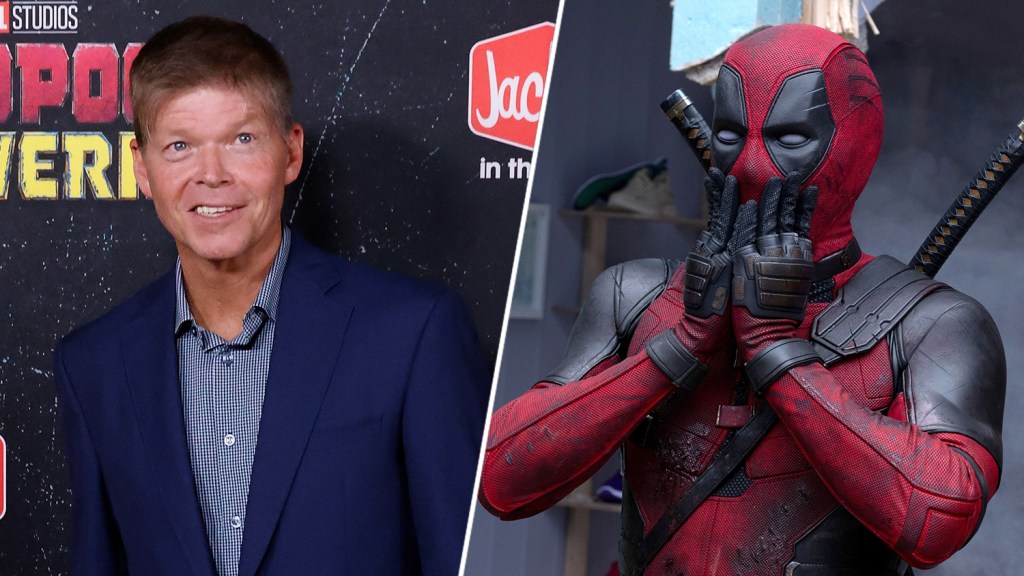
In a shocking twist that has set the comic book industry abuzz, Rob Liefeld, the visionary creator behind the iconic character Deadpool, has made headlines for publicly severing ties with Marvel Entertainment. This unexpected exit follows what Liefeld perceives as a significant snub at a recent film premiere, leaving fans and industry insiders questioning the future of the franchise and the intricate dynamics between its original creators and the studio.
The Context of the Fallout
Rob Liefeld, known for his distinctive art style and groundbreaking contributions to the comic book realm, has had a tumultuous relationship with Marvel over the years. His departure comes on the heels of the premiere of the latest Deadpool film, a production that he has been closely associated with since the character’s inception in the early ’90s. Despite his foundational role in creating Deadpool as part of the New Mutants series, Liefeld was notably absent from the premiere event, which he claims has fueled his frustration with the studio.
In a candid social media post, Liefeld expressed his disappointment, stating that his absence felt like a personal affront, especially considering his contributions to the character’s legacy. He emphasized the emotional toll of being sidelined, highlighting how creators often feel overlooked in an industry dominated by large studios and corporate interests.
The Significance of Creator Relationships in Comic Culture
This incident sheds light on a broader issue within the comic book industry: the often fraught relationship between creators and the studios that adapt their work. While many creators enjoy the initial success of their characters, the transition from comic book pages to the big screen can reveal deep-seated tensions. Liefeld’s situation is not unique; several creators have publicly voiced their grievances over the years.
- Jack Kirby, co-creator of numerous Marvel characters, had a contentious relationship with the company regarding ownership rights.
- Bill Finger, who contributed significantly to Batman’s creation, faced similar challenges and recognition issues.
- More recently, Brian Michael Bendis and Mark Millar have also discussed their experiences with adaptation processes.
These examples underscore a critical point: the creators of beloved characters often find themselves at odds with the very entities that profit from their intellectual properties. Liefeld’s bold exit serves as a reminder of the need for greater respect and acknowledgment of creators within the industry.
The Future of Deadpool Without Liefeld
As fans process Rob Liefeld’s departure, many are left wondering what this means for the future of the Deadpool franchise. The character has evolved significantly since his first appearance, with various writers and directors putting their unique spins on his story. However, Liefeld’s absence could lead to potential shifts in how the character is portrayed moving forward.
Some key considerations for the franchise include:
- Creative Direction: Without Liefeld’s input, the creative team may take the character in a new direction that could either resonate with fans or alienate them.
- Character Authenticity: Liefeld’s vision has significantly shaped Deadpool’s persona. Future creators will need to balance innovation with the essence of what made Deadpool beloved in the first place.
- Fan Reactions: Loyal followers of the franchise may react strongly to changes, especially if they feel that the new direction strays too far from Liefeld’s original concept.
Ultimately, the success of the franchise will hinge on how well the studio navigates these challenges while also respecting the legacy that Liefeld created.
The fallout between Rob Liefeld and Marvel raises significant questions about creator rights in the entertainment industry. As adaptations of comic book characters become increasingly lucrative, the dialogue surrounding intellectual property and creator compensation has intensified. Many creators feel that they deserve a more substantial stake in the success of their characters, especially when they see their work transformed into blockbuster films.
The ongoing discussions about creator rights are essential for the future of the comic book industry. Some potential changes that could emerge from this dialogue include:
- Improved Contracts: Studios may need to revise contracts to ensure that creators receive fair compensation and recognition for their work.
- Greater Participation: Creators might demand more involvement in film adaptations, from script consultations to marketing strategies.
- Collaborative Approaches: A shift towards collaboration between studios and creators could foster a more harmonious relationship, benefiting both parties.
As the industry evolves, the need for equitable treatment of creators will likely become even more pressing, ensuring that the voices behind beloved characters are heard and respected.
Conclusion: A New Chapter for Rob Liefeld
Rob Liefeld’s bold exit from Marvel after feeling snubbed at a premiere marks a significant moment in the ongoing struggle for creator recognition within the comic book industry. His departure not only raises questions about the future of Deadpool but also highlights the broader issues surrounding creator rights and compensation in an increasingly commercialized field.
As fans of Deadpool and the comic book community at large await the next chapter in this saga, it is vital to remember the contributions of creators like Liefeld, who have shaped the landscape of comic book storytelling. While this fallout may seem like a setback, it also opens the door for meaningful discussions about the relationships between creators and studios, fostering a future where collaboration and respect can thrive.
In the end, Rob Liefeld’s legacy as the creator of Deadpool is secure, and while his path may diverge from Marvel’s, it’s clear that his influence will continue to be felt in the comic book world for years to come. The industry must take heed, ensuring that creators are celebrated and acknowledged for their invaluable contributions.
See more CNET Live