
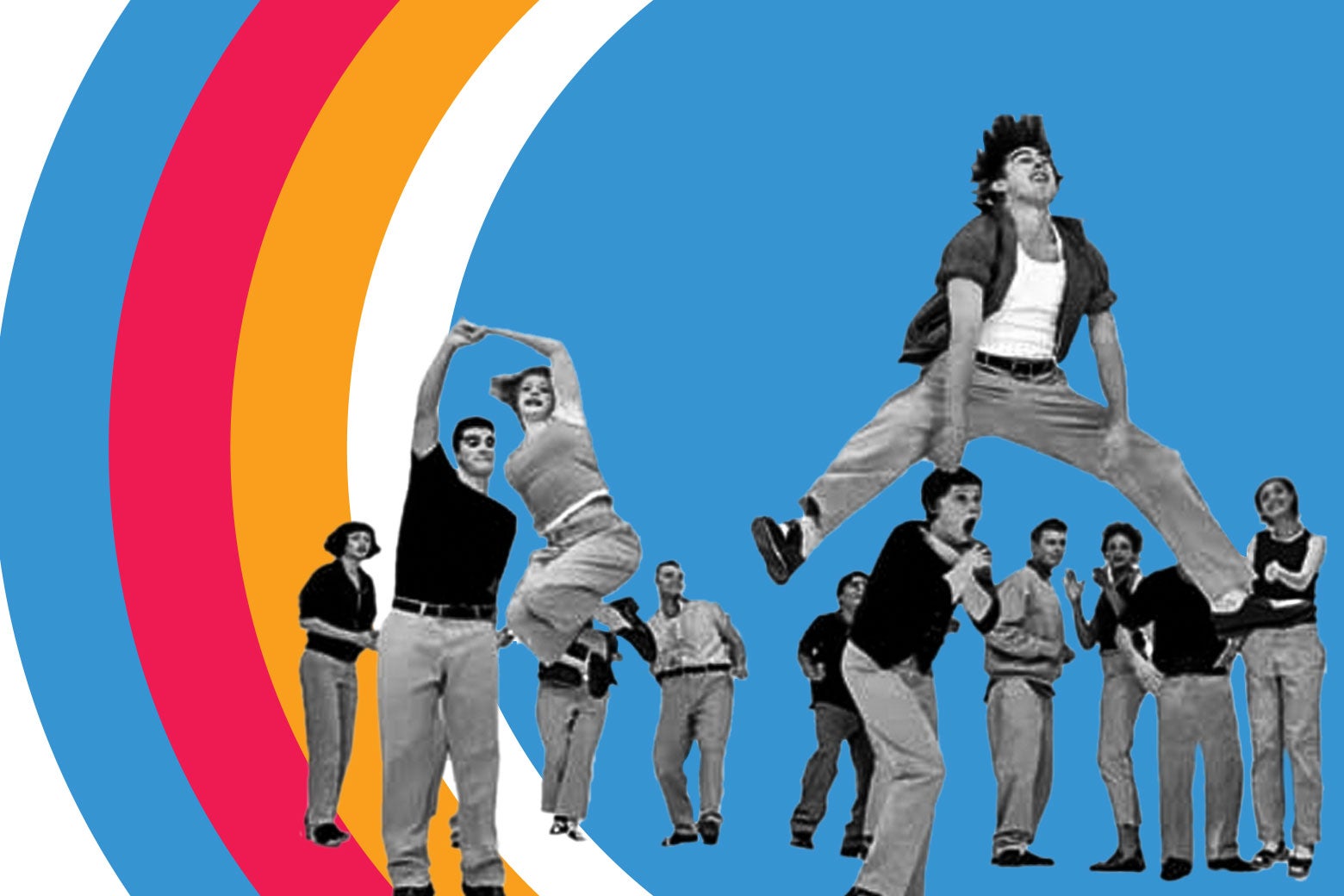
Swing Revival: The Cultural Impact of the ’90s Jazz Movement
The ’90s swing revival is a fascinating chapter in the annals of music history, marked by a vibrant resurgence of swing jazz that captivated a generation. This movement was not merely a flash in the pan; it blended nostalgia for the big band era with modern energy, resulting in a cultural phenomenon that influenced fashion, dance, and even lifestyle choices. However, just as quickly as it rose to prominence, the swing revival experienced a decline that left many questioning its longevity and appeal. In this article, we will unpack the rise and fall of the ’90s jazz movement, exploring the factors that fueled its popularity and those that contributed to its swift demise.
The Roots of the Swing Revival
The roots of the swing revival can be traced back to the early ’90s when a handful of bands began to reintroduce swing music to a new audience. Artists like Brian Setzer and his Orchestra played an instrumental role in this resurgence, blending rockabilly with classic swing sounds. Their hit albums, such as “The Dirty Boogie,” showcased a lively, energetic style that resonated with both older generations and younger listeners.
Other notable bands like the Cherry Poppin’ Daddies and the Squirrel Nut Zippers also emerged during this time, each contributing to a diverse sound that merged traditional swing with elements of ska, punk, and rock. This eclectic mix of genres created a fresh and exciting take on swing music, making it accessible to a broader audience.
Why the ’90s Swing Movement Captivated Audiences
Several key factors contributed to the captivating nature of the ’90s swing revival:
- Nostalgia: The revival tapped into a sense of nostalgia for the past, particularly the vibrant and exuberant culture of the 1930s and ’40s. Many young people were drawn to the idea of swing dancing, which offered a fun, social way to connect with others.
- Media Influence: Movies and television shows of the time, such as “Swingers” and “The Mask,” featured swing music prominently, helping to embed it within popular culture. These portrayals romanticized swing dancing and the lifestyle associated with it.
- Fashion Trends: The swing revival significantly influenced fashion, with vintage-inspired clothing becoming trendy. High-waisted trousers, suspenders, and swing dresses became popular as people sought to embody the spirit of the era.
- Dance Culture: The emergence of swing dance classes and competitions helped cultivate a community around the music. Dancers of all skill levels flocked to clubs and dance halls, eager to learn the Lindy Hop and other swing styles.
The Highs of the Swing Revival
At its peak, the swing revival was a whirlwind of excitement. Clubs dedicated to swing music thrived in cities across the United States. The once-niche genre became mainstream, with swing dance competitions drawing large crowds. Festivals celebrating swing music allowed enthusiasts to gather, dance, and celebrate their love for the genre.
Moreover, the release of various compilation albums and films helped sustain interest in swing music. The genre’s infectious rhythms and upbeat melodies provided a perfect backdrop for social gatherings, ensuring that it remained relevant in the hearts and minds of the public.
The Decline of the Swing Revival
- Market Saturation: As more bands jumped on the swing bandwagon, the market became oversaturated. The novelty that once captivated audiences began to wear thin, leading to a decline in interest.
- Changing Musical Trends: The late ’90s saw the rise of new musical movements, such as pop-punk and hip-hop. These genres captivated the youth, shifting their focus away from swing music.
- Commercialization: As swing music became more commercially successful, some purists felt that the authenticity of the genre was lost. The commercialization of what was once a grassroots movement led to disillusionment among loyal fans.
- Shift in Dance Culture: With the decline of swing music came a shift in dance culture. Other forms of dance, such as hip-hop and electronic dance, began to dominate the scene, further diminishing the popularity of swing dancing.
The Legacy of the Swing Revival
While the swing revival may have faded from the mainstream spotlight, its legacy remains vibrant. Many dance schools continue to teach swing dance, keeping the spirit alive for new generations. Moreover, the revival laid the groundwork for future genres that embrace vintage sounds, such as modern rockabilly and electro-swing.
Furthermore, the revival introduced a sense of community and belonging among swing enthusiasts. The friendships forged in dance halls and clubs during the ’90s continue to thrive today, as many enthusiasts pass on their love of swing music to their children and grandchildren.
Conclusion: Reflecting on the Swing Revival
The ’90s swing revival was a complex cultural phenomenon that captivated a generation through its blend of nostalgia, energetic music, and vibrant dance culture. While its rise was meteoric, the subsequent decline serves as a reminder of the ever-changing landscape of music and popular culture. However, the impact of the swing revival is undeniable, leaving behind a legacy of joy, community, and a celebration of the past that continues to resonate today.
As we reflect on this fascinating era, it’s essential to appreciate the joy that swing music brought to many and the way it encouraged people to come together, dance, and celebrate life. While the swing revival may have come and gone, the rhythm of its legacy continues to inspire, reminding us of the timeless joy that music and dance can bring.
See more CNET Live