
Unpacking the Misconceptions: What ‘TGIF’ Viewers Missed About ABC’s Iconic Lineup
The beloved ‘TGIF’ programming block has long been a cornerstone of American television, enchanting audiences with its family-friendly sitcoms and heartwarming stories. Airing on Fridays during the 1990s and early 2000s, ‘TGIF’ became synonymous with cozy family nights, laughter, and a sense of community. However, a recent analysis reveals that many viewers may have overlooked key elements that defined its success. In this article, we’ll explore the deeper cultural impact and the untold stories behind the shows that shaped a generation, highlighting the misconceptions surrounding ‘TGIF’ and its lineup.
Understanding ‘TGIF’: A Cultural Phenomenon
‘TGIF,’ which stands for “Thank God It’s Friday,” first launched in 1989 and quickly became a staple of Friday night television. The lineup featured a mix of sitcoms that resonated with audiences, including classics like Full House, Family Matters, and Step by Step. But beyond the laughter and catchphrases, ‘TGIF’ served as a reflection of societal norms and family dynamics during its peak.
One of the key misconceptions about ‘TGIF’ is that its shows merely provided light-hearted entertainment. While they certainly delivered laughs, many of these series tackled significant social issues, such as race relations, family struggles, and the challenges of adolescence. For example, Family Matters addressed themes of identity and acceptance through the character of Steve Urkel, a nerdy but lovable teen who often found himself at odds with societal expectations. This nuanced portrayal helped to foster discussions about diversity and inclusion, something that was particularly important during the 1990s.
The Impact of Strong Female Characters
Another aspect that viewers often overlook is the role of strong female characters in the ‘TGIF’ lineup. Shows like Boy Meets World and Full House featured female leads who defied traditional gender roles, showcasing independence, ambition, and resilience.
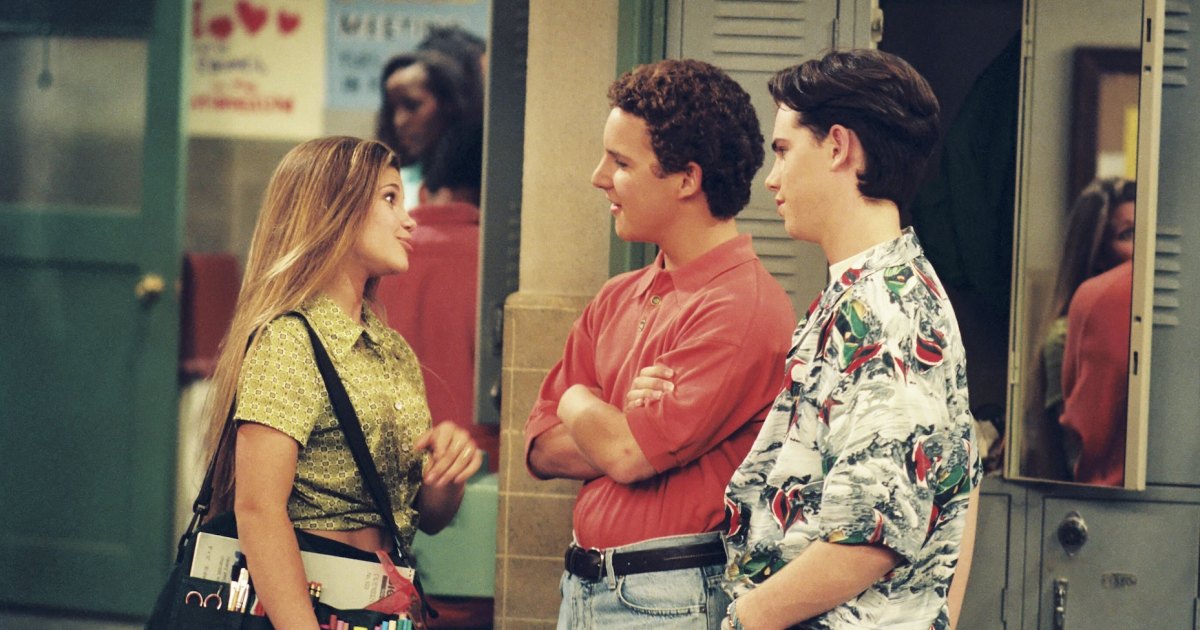
- Topanga Lawrence from Boy Meets World: A character who evolved from a quirky classmate to a confident young woman with aspirations of becoming a lawyer, Topanga represented a shift in how female characters were portrayed on television.
- DJ Tanner from Full House: As the eldest daughter, DJ navigated the complexities of growing up, offering viewers relatable insights into teenage life, including issues of peer pressure and self-identity.
These characters not only inspired young girls but also encouraged boys to view women as equals, contributing to a broader cultural shift towards gender equality.
Family Dynamics and Social Issues
While ‘TGIF’ was known for its humor, many shows addressed serious social issues that resonated with families. Step by Step, for instance, highlighted the challenges of blended families and the importance of communication and understanding. This portrayal was groundbreaking, as it reflected the changing family structures in America during the 1990s.
Furthermore, Full House often tackled topics such as grief and loss, especially with the character of Danny Tanner, who was raising three daughters after the death of his wife. These storylines provided comfort and relatability for audiences experiencing similar circumstances, demonstrating that ‘TGIF’ was more than just entertainment—it was a source of support for many families.
Behind the Scenes: The Creators and Their Vision
Another often-missed aspect of ‘TGIF’ is the vision and creativity of its writers and producers. The success of the block can be attributed to their dedication to crafting relatable and engaging narratives. Many of the creators were influenced by their own life experiences, which helped to shape the stories told on screen.
For instance, Jeff Franklin, the creator of Full House, drew inspiration from his own childhood experiences and family dynamics. This personal touch allowed for authentic storytelling, connecting with audiences on a deeper level. Similarly, the writers of Family Matters sought to challenge stereotypes and provide a voice for African American families, a significant step forward in an industry that often sidelined minority narratives.
The Legacy of ‘TGIF’
The legacy of ‘TGIF’ continues to impact modern television. Many contemporary shows draw inspiration from the wholesome, family-oriented storytelling that defined the block. Series like This Is Us and Young Sheldon echo the themes of family, love, and resilience that made ‘TGIF’ so beloved. Additionally, the resurgence of nostalgia for 90s television has led to reboots and spin-offs, further solidifying the cultural significance of ‘TGIF.’
Moreover, the programming block paved the way for networks to prioritize family-centered content, emphasizing the importance of relatable characters and storylines. This shift has encouraged a new generation of writers and creators to focus on authentic, diverse narratives that reflect the complexities of modern life.
Conclusion: Appreciating the Depth of ‘TGIF’
As we unpack the misconceptions surrounding ‘TGIF,’ it becomes clear that this iconic programming block was much more than a collection of sitcoms. It served as a cultural touchstone that reflected the changing dynamics of American families, challenged societal norms, and provided a platform for important conversations about identity, equality, and resilience.
In celebrating the legacy of ‘TGIF,’ we must recognize the profound impact these shows had on shaping a generation’s understanding of family, friendship, and self-acceptance. By revisiting the stories and characters that defined our Friday nights, we can appreciate the deeper messages and cultural significance that often went unnoticed during their original airing. So, the next time you hear ‘TGIF,’ remember that it stands for more than just a weekend kickoff; it symbolizes a time when television brought families together, sparking laughter, tears, and meaningful discussions around the dinner table.
See more CNET Live