
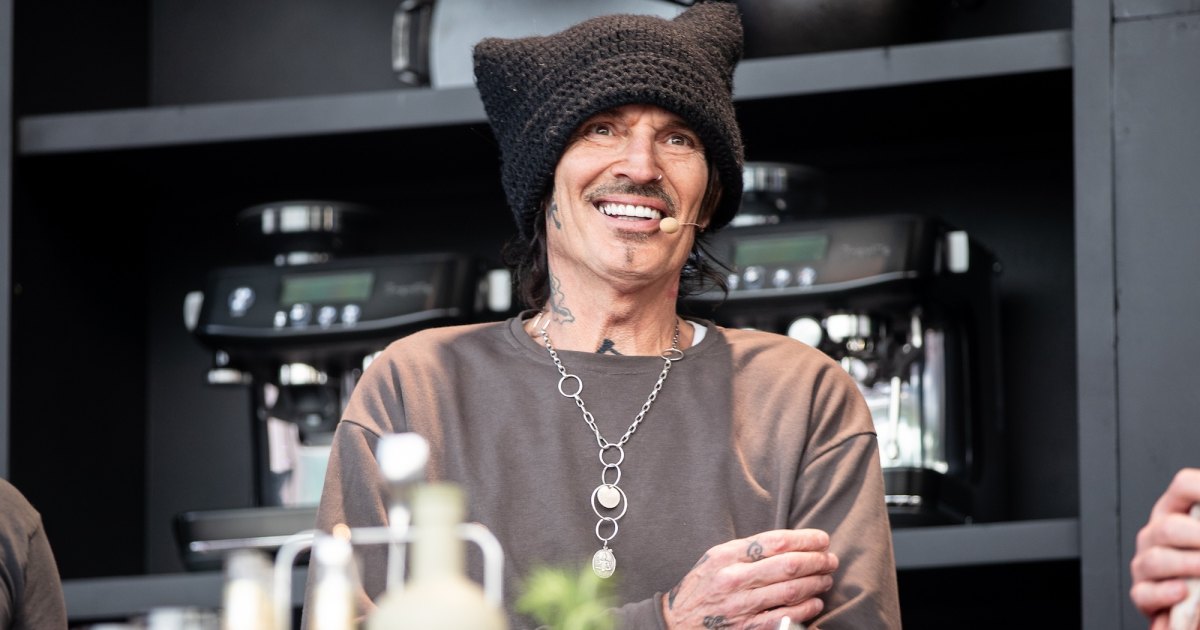
Tommy Lee Condemns Artists for Self-Promotion During L.A. Fires
In a recent statement that has resonated throughout the music industry, rock legend Tommy Lee has taken a firm stand against fellow artists who have been accused of using the devastating fires in Los Angeles for self-promotion. As wildfires rage through the region, the ethical dilemma surrounding artistic integrity and the desire for publicity has ignited a heated debate among musicians, fans, and industry professionals alike.
The Context of Tommy Lee’s Condemnation
The wildfires in Los Angeles have become an annual crisis, bringing destruction and despair to countless lives. When faced with such tragedy, the reaction of public figures, especially in the creative arts, often reflects their values and priorities. Recently, several artists have taken to social media, not only to share their thoughts on the calamity but also to promote their latest projects. This blending of tragedy with self-promotion left many, including Tommy Lee, feeling uneasy.
In a candid post on social media, Lee expressed his disappointment, stating, “There’s a time for everything, and right now, it’s not about your music. People are suffering.” His comments sparked a larger conversation about the ethics of self-promotion in the wake of disasters, particularly in an industry where artists often rely on social media to engage with fans.
The Ethics of Self-Promotion During Crises
Lee’s condemnation raises an essential question: how should artists navigate their public personas during crises? While some argue that artists have a platform that can be used for good—raising awareness for charities or providing emotional support through music—others believe that exploiting these tragedies for personal gain is unethical.
- Empathy vs. Self-Interest: At the heart of this debate is the balance between empathy for those affected by the fires and the innate desire for self-promotion that exists in the competitive music industry.
- Art as a Healing Tool: Many performers argue that music can offer solace during hard times, providing emotional support to fans. However, when this is intertwined with promotional efforts, it can come across as insincere.
- Public Perception: The way artists are perceived during these times can significantly affect their careers, with fans often expressing outrage over what they deem as opportunistic behavior.
Perspectives from the Music Community
The discussion sparked by Tommy Lee’s remarks has prompted a variety of responses from the music community. Some artists have openly supported his stance, emphasizing the importance of solidarity and compassion in times of crisis. Others, however, argue that promoting their music can also serve as a means to raise funds for relief efforts, framing their actions in a more positive light.
For instance, a few musicians have pledged to donate a portion of their proceeds to wildfire relief funds, illustrating that self-promotion and charity can coexist. This dual-purpose approach has gained traction as artists seek to maintain their relevance while also contributing to meaningful causes.
Social Media’s Role in the Debate
In today’s digital age, social media plays a crucial role in how artists communicate with their followers. Platforms like Instagram and Twitter allow immediate sharing of thoughts and feelings, but they also blur the lines between personal expression and marketing. While artists may genuinely want to lend their voices to the conversation surrounding the fires, it can easily be perceived as self-serving when accompanied by promotional content.
This phenomenon isn’t unique to the music industry. Artists from all sectors—including actors, authors, and visual artists—face similar challenges. The temptation to leverage current events for visibility can lead to backlash, as followers become increasingly discerning about authenticity.
Finding a Middle Ground
In light of the ongoing debate, it’s essential for artists to consider how they can respectfully engage with their audiences during crises. Here are a few suggestions for balancing self-promotion with ethical considerations:
- Focus on Awareness: Instead of promoting new music directly, artists can use their platforms to raise awareness about the situation, share information on how fans can help, or highlight organizations working to mitigate the damage.
- Collaborate for a Cause: Musicians can collaborate on charity singles or concerts, where the proceeds directly support relief efforts. This way, they can promote their music while contributing to a worthy cause.
- Be Authentic: Authenticity is key. If artists genuinely feel a connection to the cause, their messaging will resonate more deeply with their audience, reducing the chance of backlash.
Conclusion: A Call for Compassion
Tommy Lee’s condemnation of artists using the Los Angeles fires for self-promotion serves as a crucial reminder of the importance of compassion and integrity in the entertainment industry. As the lines between personal and professional blur in an age dominated by social media, artists must navigate their roles with care and empathy.
Ultimately, the question remains: how can artists maintain their relevance in a competitive industry without compromising their values? By choosing to prioritize compassion and community support over self-interest, they can set an example for others and foster a more respectful and genuine connection with their audiences. As the flames of crisis rage on, the call for integrity and humanity in the arts has never been more crucial.
See more CNET Live