
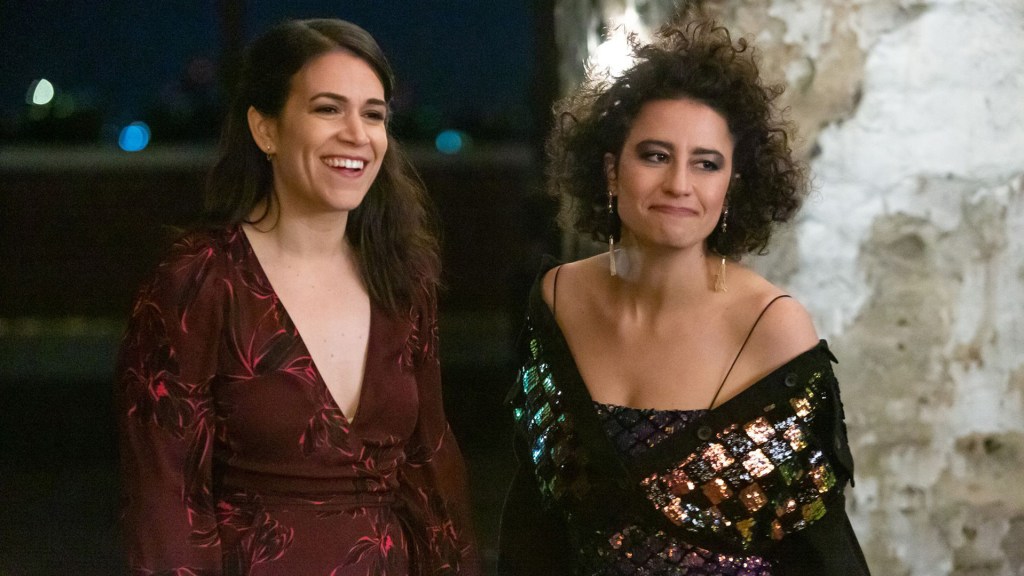
Ilana Glazer Unveils the Surprising Factors Behind ‘Broad City’s’ Premature Finale
In a recent interview, comedian and actress Ilana Glazer opened up about the unexpected circumstances that led to the early conclusion of the critically acclaimed series ‘Broad City.’ As fans of the show continue to celebrate its legacy, Glazer’s insights shed light on the complex interplay of creativity, production challenges, and personal choices that ultimately shaped the series’ trajectory. This article delves into Glazer’s revelations while exploring the broader implications of ‘Broad City’ within the television landscape.
The Creative Journey of ‘Broad City’
Launched in 2014, ‘Broad City’ quickly became a cultural phenomenon, showcasing the lives of two young women navigating the ups and downs of life in New York City. Created by Glazer and Abbi Jacobson, the series resonated with audiences for its authentic representation of friendship, humor, and the millennial experience. However, the decision to conclude the show after its fifth season left many fans longing for more.
In her interview, Glazer detailed several surprising factors that contributed to the show’s premature finale, emphasizing both personal and external influences. Here are some key points she highlighted:
1. The Evolution of Personal Priorities
One of the most striking revelations from Glazer was the shift in personal priorities that both she and Jacobson experienced during the later seasons of the show. As their careers expanded beyond ‘Broad City,’ the demands of other projects began to encroach upon their time and focus. Glazer noted:
“We were at a point where we were exploring other opportunities that were very exciting for us, but it also made it difficult to dedicate ourselves fully to the show.”
This point raises an important consideration in the world of television: the balance between long-term commitments and the pursuit of new creative endeavors. For many artists, the desire to explore different avenues can lead to difficult decisions regarding ongoing projects.
2. The Influence of Cultural Shifts
Glazer also touched upon the changing cultural landscape and how it affected the show’s narrative direction. In recent years, conversations surrounding representation, diversity, and the portrayal of women in media have intensified. While ‘Broad City’ was groundbreaking in many respects, Glazer expressed a desire to ensure that the show evolved in a way that remained relevant and respectful to its audience.
This shift in cultural dynamics plays a significant role in how television shows navigate their stories. For ‘Broad City,’ the need to continually innovate and reflect societal changes added pressure, ultimately influencing the decision to conclude the series when they felt they could no longer meet those expectations authentically.
3. Behind-the-Scenes Challenges
Production challenges also contributed to the show’s conclusion. Glazer candidly discussed the logistical hurdles that arose during filming, particularly as the show’s popularity grew. The increasingly complex production schedules made it difficult to maintain the show’s quality and the original vision.
- Increased Production Demands: As the series gained traction, the increased demands on the production team and cast added stress and complexity.
- Maintaining Quality: The creators were committed to ensuring that each episode met their high standards, which became increasingly difficult as external pressures mounted.
These factors highlight the often-overlooked challenges that creators face in the television industry, particularly when a show becomes a cultural touchstone. The desire to preserve the integrity of the work can sometimes necessitate tough decisions.
The Legacy of ‘Broad City’
Despite its early conclusion, ‘Broad City’ has left an indelible mark on television and pop culture. The show not only entertained but also sparked crucial conversations about female friendship, sexuality, and the challenges of modern life. Its unique voice and perspective paved the way for other female-led comedies, influencing the next generation of creators.
Impact on Future Programming
The show’s legacy is evident in the current television landscape, where many networks and streaming services prioritize diversity and authenticity in their programming. The success of ‘Broad City’ has encouraged a plethora of new shows that focus on underrepresented voices, providing a platform for stories that resonate with a broader audience.
The Importance of Authentic Representation
Moreover, ‘Broad City’s’ commitment to authentic representation has set a standard for other shows. Glazer and Jacobson’s portrayal of their characters, with all their imperfections and quirks, allowed viewers to see themselves reflected on screen in a way that was both relatable and refreshing. This approach has become increasingly important in today’s media environment, where audiences demand authenticity and depth in storytelling.
Conclusion: A Thoughtful Closing
Ilana Glazer’s insights into the factors leading to the conclusion of ‘Broad City’ provide a nuanced understanding of the complexities involved in creating a beloved television series. As the industry continues to evolve, the lessons learned from ‘Broad City’ serve as a reminder of the importance of balancing creative aspirations with the realities of production and cultural relevance.
While fans may mourn the show’s end, they can take solace in its enduring legacy. ‘Broad City’ not only entertained but also challenged conventions and inspired future creators to tell their stories authentically. As Glazer embarks on new ventures, the impact of ‘Broad City’ will undoubtedly continue to influence the landscape of television for years to come.
See more CNET Live