
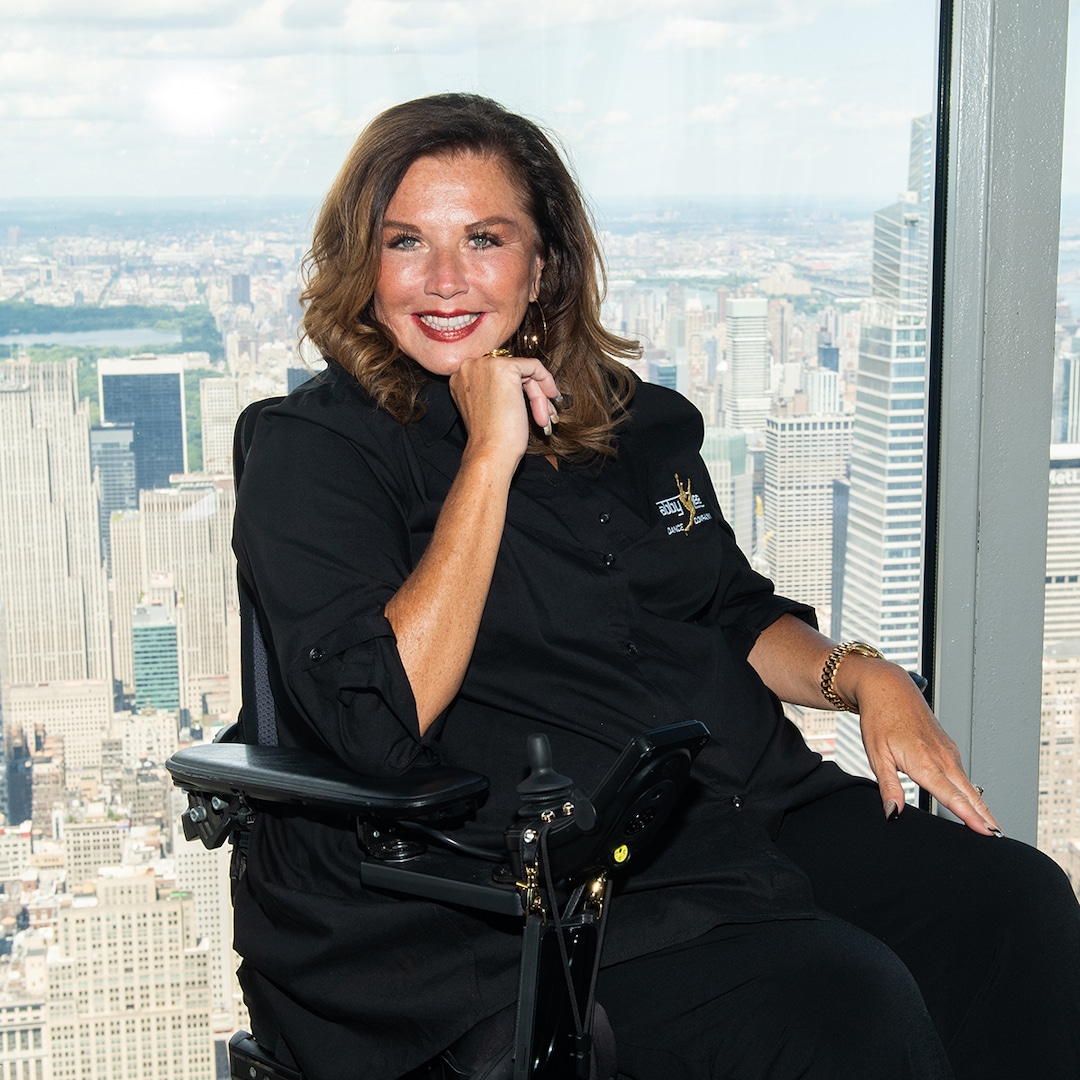
Behind the Curtain: Abby Lee Miller Reflects on Dance Moms Rivalries
In an exclusive and candid interview, Abby Lee Miller, the formidable dance instructor and reality television personality, sheds light on her controversial role in fostering rivalries on the hit show Dance Moms. As the show’s star, Miller was at the center of a whirlwind of drama, competition, and emotion, which often played out in front of millions of viewers. In this deep dive, we explore her motivations, the impact on the young dancers, and why she stands by her choices, even as the landscape of reality TV evolves.
The Birth of Rivalries on Dance Moms
From its inception in 2011, Dance Moms was designed to showcase the intense world of competitive dance. Miller’s teaching style was unorthodox, often described as tough love, which ignited fierce competition not just among the young dancers but also among their mothers. This environment, while controversial, was instrumental in creating compelling television.
Miller reflects, “The rivalries were never just about the dance itself; they were about the journey, the growth, and the lessons learned along the way. I wanted my dancers to be the best, and sometimes that meant creating an atmosphere where competition thrived.” This philosophy, while it raised eyebrows, also contributed to the show’s success, drawing in audiences who craved the drama of the dance floor.
Understanding the Motivations Behind the Drama
While many fans have criticized Miller for her aggressive coaching methods and the rivalries that ensued, she defends her approach by emphasizing the need for resilience in the competitive arts. “In dance, as in life, you need to learn how to face adversity. I wanted my girls to understand that competition is a part of life, and how you handle it can define your success,” she explains.
The rivalries often spilled over into personal conflicts, leading to memorable confrontations between the mothers, which became a staple of the show. Miller acknowledges that while these moments were often staged for dramatic effect, they also reflected real emotions and relationships. “Reality TV is a heightened version of real life. The stakes were high, and the emotions were raw. That’s what made it compelling,” she states.
The Impact on Young Dancers
One of the critical aspects of Miller’s reflections is the lasting impact these rivalries had on the young dancers involved. Many of them entered the show with dreams of stardom, but the intense competition changed the trajectory of their lives in unexpected ways. For some, it was a stepping stone to professional careers; for others, it became a source of stress and anxiety.
- Positive Outcomes: Some dancers, like Maddie Ziegler, used their exposure on the show to launch successful careers in dance and entertainment.
- Negative Effects: On the flip side, the pressure to perform and compete can lead to mental health challenges, a reality that Miller takes seriously. “I always cared for my girls, but I also wanted them to be tough. It’s a fine line,” she admits.
Reflecting on her former students, Miller notes, “I’ve watched them grow and evolve, and I’m proud of what they’ve accomplished. The lessons learned on the show, while sometimes painful, have shaped them into strong, resilient individuals.”
Does Abby Lee Miller Regret Her Decisions?
Despite the controversies and criticisms, Miller does not express regret for her role on Dance Moms. She believes that the lessons learned through competition have equipped her dancers for life beyond the stage. “Regret is a strong word. I think everything happens for a reason, and the experiences we went through shaped not only the show but the lives of everyone involved,” she shares.
Miller views her time on the show as a necessary part of the learning process, both for herself and her students. “I would do it all over again because I know that the skills they learned—discipline, perseverance, and passion—are vital in any field,” she says with conviction.
The Future of Reality TV and Dance Competition Shows
As the reality TV landscape continues to evolve, Miller sees a shift in how competition is portrayed. With growing awareness of mental health issues and the pressures faced by young performers, there is an increasing demand for more responsible portrayals of competition and rivalry.
“The industry is changing, and I think it’s great that there’s more emphasis on mental health and well-being,” she states. “Future shows will need to adapt, focusing not just on competition but also on the emotional journeys of the participants.”
Lessons Learned and Moving Forward
Looking back, Miller acknowledges the complexity of her journey. The rivalries on Dance Moms were not just about creating drama; they were instrumental in teaching valuable life lessons. For Abby Lee Miller, each competition was a microcosm of larger life experiences, illustrating the importance of resilience, teamwork, and personal growth.
As she moves forward in her career, Miller remains committed to empowering the next generation of dancers and artists. “I want to continue to inspire young people to chase their dreams, but I also want to do it in a way that respects their mental health and emotional well-being,” she emphasizes.
As we move into a new era of reality television, Abby Lee Miller’s reflections serve as a reminder of the delicate balance between competition and compassion. Her unapologetic approach to creating rivalries on Dance Moms may have stirred controversy, but it undeniably opened up conversations about the realities of striving for success in the arts.
In conclusion, Abby Lee Miller’s insights into the rivalries fostered on Dance Moms reveal a multifaceted perspective on competition, personal growth, and the evolving nature of reality TV. While she may have played the villain in the eyes of some, her motivations were rooted in a desire to cultivate excellence and resilience among her dancers. As the industry continues to change, Miller’s legacy will undoubtedly influence how future generations approach the delicate dynamics of competition, creativity, and collaboration.
See more CNET Live