
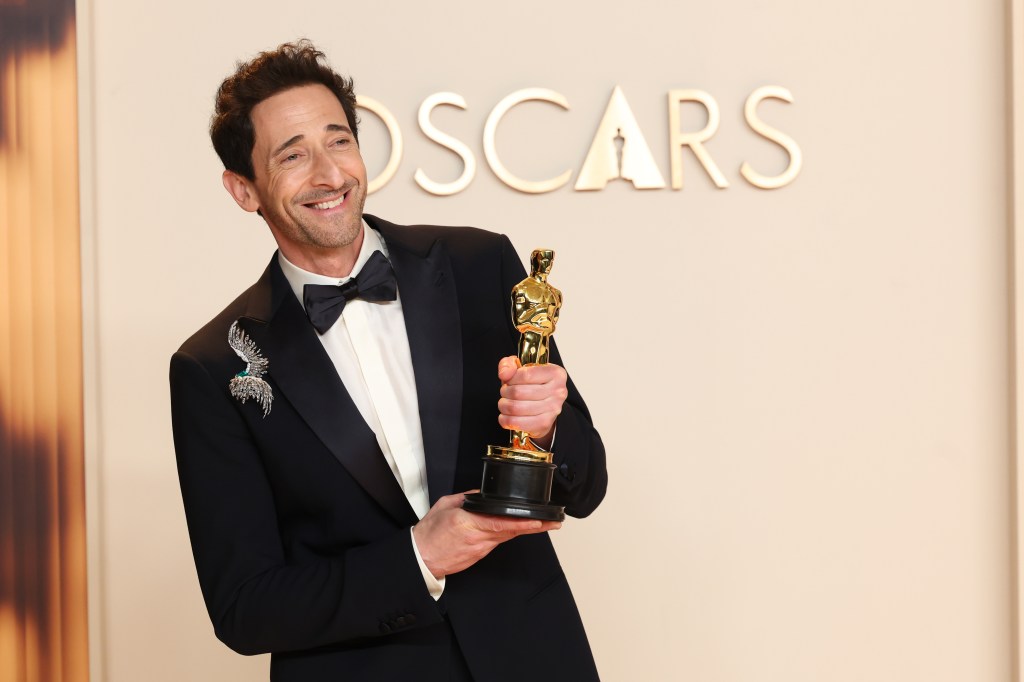
Adrien Brody’s Record-Breaking Oscars Speech: A Moment to Remember
Adrien Brody’s acceptance speech for Best Actor at the Oscars has made history, not only for its emotional depth but also for its remarkable length. This moment, which took place during the 75th Academy Awards in 2003, captivated audiences worldwide and set a new standard for award acceptance speeches. In this article, we will delve into the details of Brody’s groundbreaking speech, analyze its impact, and explore what it signifies for the future of award ceremonies.
The Context of the Moment
When Adrien Brody won the Oscar for Best Actor for his role in “The Pianist,” he became the youngest actor to receive this prestigious award. At just 29 years old, his victory was not only a personal milestone but also a reflection of his dedication to his craft. The film, directed by Roman Polanski, tells the harrowing story of Władysław Szpilman, a Polish-Jewish pianist who experiences the horrors of World War II. Brody’s performance was lauded for its emotional intensity and authenticity, which resonated deeply with both audiences and critics alike.
Breaking the Mold: Length and Content
While many acceptance speeches are typically brief, Brody took the opportunity to deliver a lengthy address that lasted over four minutes. This was notably longer than the average acceptance speech, which usually hovers around one to two minutes. His decision to speak at length was not merely a matter of personal expression; it was a deliberate choice that underscored his emotional journey and gratitude.
In his speech, Brody thanked a number of key figures, including:
- His director, Roman Polanski, for his visionary guidance
- His fellow nominees, acknowledging the talent present in the room
- His family and friends, expressing gratitude for their unwavering support
Brody’s heartfelt words were infused with genuine emotion, particularly when he spoke about the significance of the film and what it represented. He reflected on the themes of survival, resilience, and the universal struggle against adversity. This emotional depth resonated with viewers, making his speech one of the most memorable in Oscars history.
A Shift in Acceptance Speech Norms
Adrien Brody’s record-breaking Oscars speech marked a notable shift in how acceptance speeches are perceived. Traditionally, acceptance speeches have been concise, often adhering to a formulaic structure that prioritizes gratitude above all else. However, Brody’s willingness to break from this mold has inspired future winners to embrace their moments on stage more fully.
Since Brody’s speech, we’ve seen a rise in longer, more heartfelt addresses that allow winners to share personal stories and convey their emotions. This trend suggests that winners are increasingly aware of the platform they have and the power of their words. Acceptance speeches have evolved to become not just expressions of gratitude, but also opportunities for advocacy, storytelling, and connection.
The Emotional Resonance
One of the most compelling aspects of Brody’s speech was its emotional resonance. He spoke candidly about the struggles faced by the characters in “The Pianist,” drawing parallels between their experiences and the broader human condition. This emotional connection is what sets Brody’s speech apart from many others. He reminded the audience that the stories told in film often reflect real-life struggles and triumphs.
Brody’s ability to convey such depth in a public setting is a testament to his skills as an actor and a storyteller. Audiences were not just spectators; they were drawn into the narrative he painted with his words. This emotional engagement is critical in award speeches, as it allows winners to connect with viewers on a personal level, transcending the boundaries of the award ceremony itself.
Legacy and Influence
In the years following Brody’s groundbreaking speech, many actors have cited it as an inspiration. The emotional authenticity and willingness to share personal stories have been echoed in speeches by other winners, such as Viola Davis, Matthew McConaughey, and Lupita Nyong’o. Each of these individuals has utilized their acceptance speeches as platforms to advocate for important social issues, share personal anecdotes, and convey the deeper meaning behind their craft.
Brody’s influence extends beyond just the Oscars. It serves as a reminder of the importance of voice and presence in the film industry. In an era where social media dominates and personal narratives are shared more openly, Brody’s speech exemplifies a shift towards vulnerability and honesty in public discourse.
Conclusion: A Moment to Remember
Adrien Brody’s record-breaking Oscars speech remains a defining moment in the history of the Academy Awards. Its emotional depth, remarkable length, and profound impact on the nature of acceptance speeches have set a new standard for future winners. As we continue to witness the evolution of award ceremonies, it is clear that the importance of storytelling, emotional connection, and authenticity will remain at the forefront. Brody’s moment serves as a reminder that awards are not merely accolades; they are opportunities to share powerful narratives that resonate with audiences, inspire change, and celebrate the art of storytelling.
Ultimately, Brody’s speech is a benchmark for all who aspire to take the stage, reminding us that every moment is an opportunity to connect, to inspire, and to remember the stories that shape our lives.
See more CNET Live