
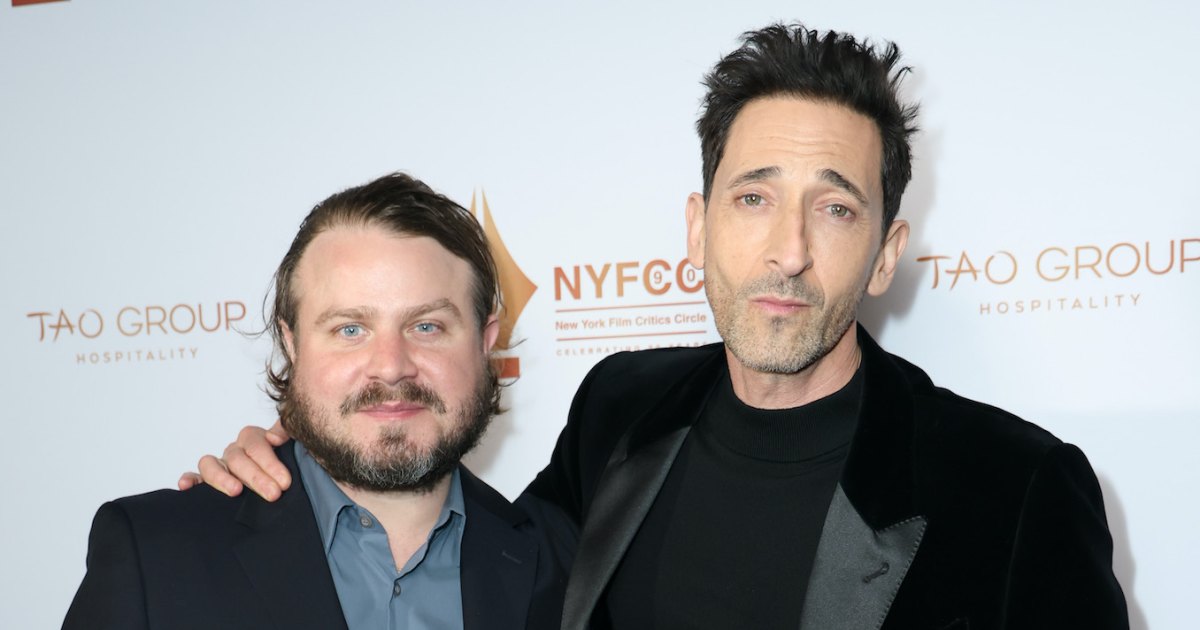
Exploring the Controversy: Brady Corbet on AI’s Role in Shaping Dialogue
In the rapidly evolving landscape of filmmaking, few topics spark as much debate as the integration of artificial intelligence (AI) in the creative process. Director Brady Corbet, known for his thought-provoking films and unique storytelling style, has recently emerged as a key voice in this conversation. Corbet’s insights into the ethical implications and creative potential of using AI to modify dialogue in film challenge conventional notions of authorship and creativity, prompting a deeper discussion about the future of storytelling in the digital age.
The Intersection of AI and Filmmaking
The advent of AI technology has ushered in a new era for filmmakers. From enhancing visual effects to streamlining production processes, AI’s applications are vast. However, one of the most intriguing areas of exploration is its ability to generate and modify dialogue. Corbet’s exploration of this facet raises important questions about the nature of creativity and the role of technology in artistic expression.
As AI systems become increasingly sophisticated, they can analyze vast amounts of data, learning patterns in language and dialogue structure. This allows them to generate text that mimics human conversation. For filmmakers, this presents both opportunities and challenges. On one hand, AI can help scriptwriters overcome creative blocks, providing them with fresh dialogue options and variations. On the other hand, it risks diluting the authenticity and emotional depth that human writers bring to storytelling.
Brady Corbet’s Perspective
Brady Corbet’s artistic vision has always been rooted in a deep understanding of human emotion and societal complexities. He argues that while AI can serve as a valuable tool, it should not replace the human touch that is vital in storytelling. Corbet suggests that dialogue is not merely a means of communication but a reflection of human experience, imbued with subtleties that AI may struggle to replicate.
In a recent interview, Corbet emphasized the importance of retaining the human element in dialogue writing. “AI can assist us, but it should never define our narratives,” he remarked. “The richness of human experience—our fears, joys, and nuances—cannot be fully captured by algorithms.” This stance invites filmmakers to consider how they can leverage AI without compromising the emotional core of their stories.
The Ethical Implications of AI Dialogue Modification
Corbet’s exploration of AI’s role in dialogue modification also touches on significant ethical concerns. The ability of AI to generate dialogue raises questions about authorship and ownership. If a scriptwriter uses AI-generated dialogue, who holds the copyright? Furthermore, how do we ensure that AI does not perpetuate harmful stereotypes or biases present in the training data?
To address these concerns, filmmakers must engage in critical discussions about the ethical use of AI. Here are some key points to consider:
- Transparency: Filmmakers should
See more CNET Live