
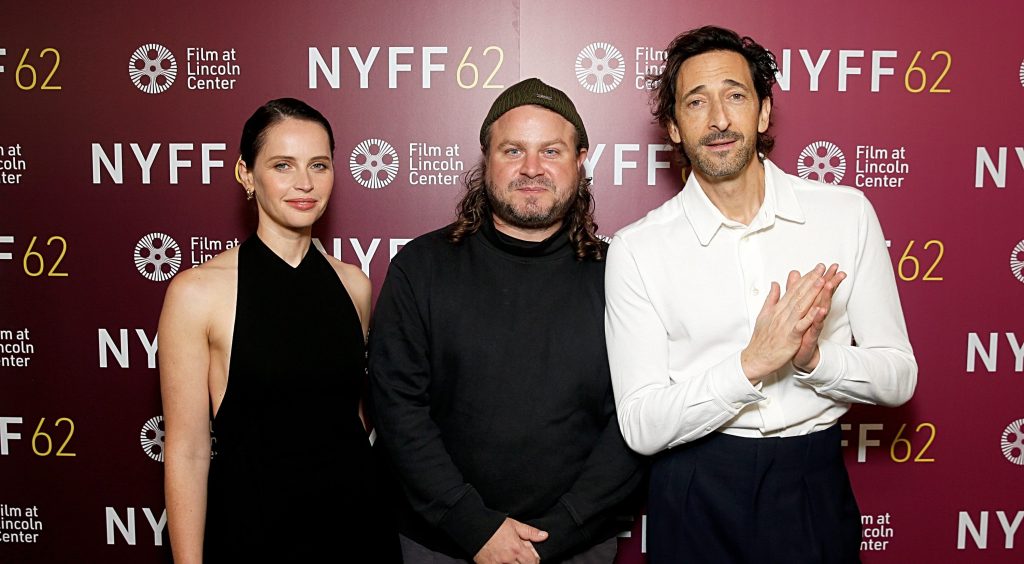
Inside the Vision: Brady Corbet Discusses AI’s Role in ‘The Brutalist’
In the ever-evolving landscape of cinema, directors are increasingly faced with the potential of artificial intelligence (AI) to alter the way films are produced, edited, and even how performances are delivered. In a recent interview, director Brady Corbet set the record straight regarding the utilization of AI in his film ‘The Brutalist.’ He made it clear that the technology’s application was limited, specifically to the Hungarian language dialogue editing, reinforcing his commitment to authentic storytelling and the integrity of human performances. This article delves into Corbet’s insights and examines the broader implications of AI in the film industry.
Brady Corbet’s Artistic Vision
Brady Corbet is no stranger to the intricacies of filmmaking. Known for his nuanced storytelling and attention to detail, he has carved a niche for himself in the industry. Corbet’s works often explore complex themes of identity, morality, and the human condition. With ‘The Brutalist,’ he continues this exploration, but now with an eye toward the technological advancements shaping modern cinema.
Corbet’s approach to filmmaking is deeply rooted in the belief that authentic human experiences should be at the forefront of any narrative. His use of AI was not driven by a desire to enhance performances or replace human creativity but was solely a practical decision for language editing. In his words, “The performances of Adrien Brody and Felicity Jones were untouched by technology; their craft remains purely human.” This assertion highlights a critical distinction in how AI is perceived in creative processes.
The Limited Use of AI in ‘The Brutalist’
In an industry often characterized by rapid technological advancement, the question arises: how much is too much? Corbet’s deliberate choice to limit AI’s role in ‘The Brutalist’ speaks volumes about his philosophy. Here are several key points regarding the use of AI in the film:
- Language Editing Only: The director emphasized that AI was utilized exclusively for editing Hungarian language dialogues. This choice reflects a practical application rather than an artistic one.
- Human-Centric Performances: Both Brody and Jones delivered performances that were deeply emotional and nuanced, which Corbet staunchly defends as being untouched by digital alterations.
- Creative Integrity: Corbet’s approach signifies a defense of artistic integrity in the face of technological advancements, prioritizing human creativity over automation.
As AI technologies continue to develop, filmmakers face the challenge of integrating these tools without compromising the authenticity of their narratives. Corbet’s stance serves as a reminder that while technology can facilitate certain aspects of filmmaking, it should not overshadow the human elements that make storytelling resonate.
Defending Authenticity in Performance
One of the most significant aspects of Corbet’s perspective is his unwavering defense of the actors’ performances. In a world where digital manipulation can alter appearances and voices, the authenticity of an actor’s portrayal is often questioned. Corbet’s commitment to preserving the genuine craftsmanship of Brody and Jones underscores the importance of human expression in film.
Corbet stated, “AI might be able to assist in technical aspects, but when it comes to the heart of acting, nothing can replace the nuances that come from human experience.” This assertion resonates with many in the industry who fear that over-reliance on technology could lead to a loss of emotional depth in performances.
Broader Implications of AI in Filmmaking
While Corbet’s limited use of AI in ‘The Brutalist’ serves a specific purpose, it opens the door to broader discussions about the role of AI in filmmaking. The potential benefits and pitfalls of AI in the industry are vast:
- Enhancing Production Efficiency: AI can streamline various aspects of film production, such as scheduling, budgeting, and even post-production processes, which can be a boon for filmmakers.
- Creative Collaboration: Some filmmakers are exploring AI as a collaborative tool, allowing it to generate ideas or assist in scriptwriting while retaining the human touch in the final product.
- Ethical Concerns: The use of AI raises ethical questions regarding authorship, ownership, and the authenticity of creative works. As AI becomes more capable, distinguishing between human-created and AI-generated content will be increasingly challenging.
Corbet’s insights highlight the need for a balanced approach to AI in filmmaking—one that embraces the technology’s advantages while safeguarding the emotional and artistic integrity of human performances.
Future of Film in an AI Age
The film industry is at a crossroads where technology can either enhance or detract from the art of storytelling. As directors like Brady Corbet navigate these waters, their choices will set precedents for future filmmakers. The challenge lies in harnessing AI’s potential while ensuring that the heart of cinema—human emotion and connection—remains intact.
Looking ahead, it’s essential for filmmakers, audiences, and industry stakeholders to engage in ongoing dialogues about the implications of AI in cinema. By prioritizing authenticity and human creativity, the film industry can thrive in an age increasingly dominated by technology.
Conclusion
Brady Corbet’s reflections on the limited use of AI in ‘The Brutalist’ serve as a critical reminder of the importance of authenticity in filmmaking. By emphasizing that the performances of Adrien Brody and Felicity Jones were untouched by technology, Corbet champions the essence of human storytelling. As the film industry continues to evolve with technological advancements, it is crucial to find a balance that honors the artistry of human performance while embracing the efficiency that AI can offer. The future of cinema hinges on our ability to navigate these changes thoughtfully, ensuring that the core of what makes films relatable and profound remains unscathed.
See more CNET Live