
Oscar-Winning Screenwriter Claims AI Outshines Human Talent in Film Industry
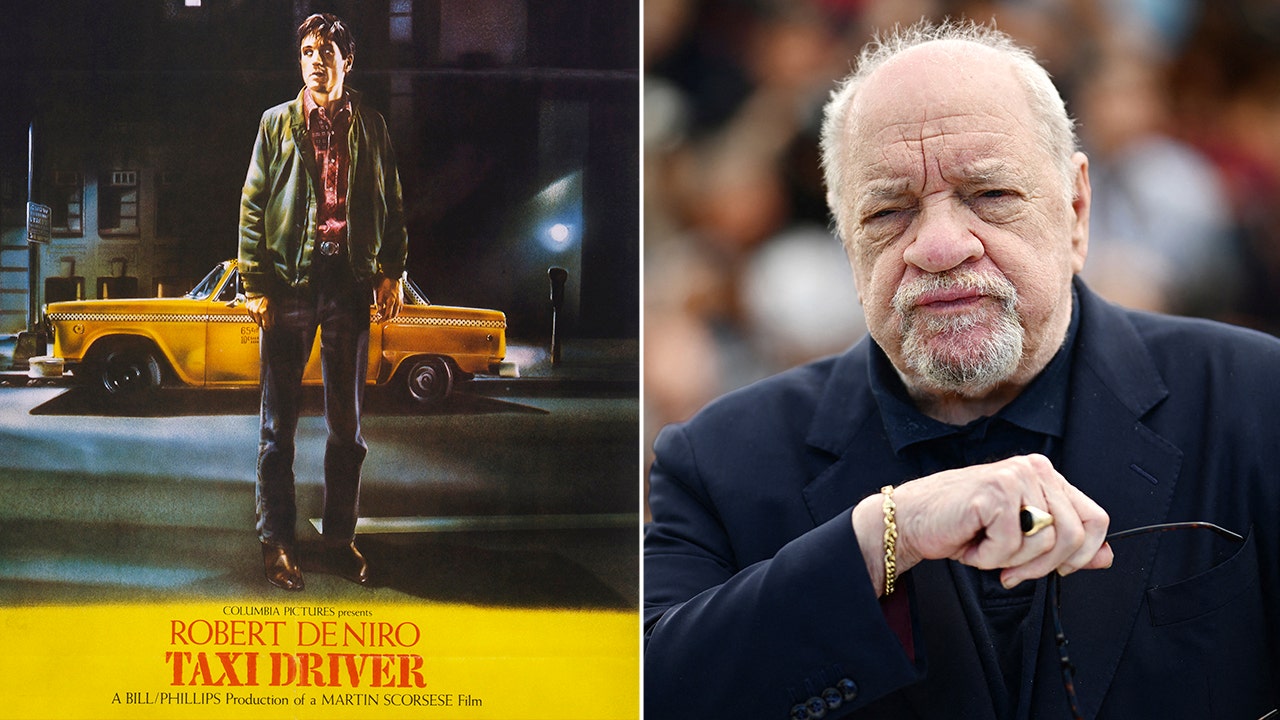
In a stunning declaration that has sent ripples through Hollywood, an Oscar-winning screenwriter known for his work on the iconic film ‘Taxi Driver’ has claimed that artificial intelligence (AI) surpasses human talent in the realm of screenwriting. This provocative assertion raises significant questions about the future of storytelling in the film industry, the evolving role of technology, and the implications for writers across the globe.
The Bold Claim: AI vs. Human Creativity
The screenwriter, whose accolades include multiple Academy Awards and a reputation for crafting memorable narratives, argues that AI’s capabilities in generating scripts and ideas are not only efficient but also innovative. According to him, AI can analyze vast amounts of data, identify patterns, and even generate storylines that resonate with audiences in ways that human writers might overlook. He has gone so far as to suggest that this technology could produce narratives that are not only comparable to those created by Oscar-nominated writers but potentially superior.
- Efficiency: AI can produce content at a speed that no human can match.
- Data Analysis: AI’s ability to analyze trends and audience preferences can lead to more engaging stories.
- Innovation: AI can generate fresh ideas by combining elements from countless existing narratives.
This perspective is particularly timely, as the film industry grapples with the dual challenges of an ever-demanding audience and the pressure to produce content at an unprecedented rate. With streaming platforms proliferating and viewer preferences shifting rapidly, the need for quick, compelling storytelling has never been more critical.
The Role of Technology in Storytelling
The intersection of technology and storytelling has been a hot topic for years. While some may view AI as a threat to the traditional craft of screenwriting, others see it as a powerful tool that can augment human creativity rather than replace it. The advent of AI in Hollywood has already begun to transform the landscape of scriptwriting, with tools that assist writers in brainstorming ideas, structuring narratives, and even editing scripts.
AI’s involvement in film production is not entirely new. From CGI effects that bring fantastical worlds to life to algorithms that predict box office success, technology has long played a role in filmmaking. However, the assertion that AI can outperform human talents in creativity raises profound questions:
- Will writers become obsolete in an industry increasingly reliant on AI?
- Can AI-generated narratives evoke the same emotional depth as those crafted by human hands?
- How will the role of the screenwriter evolve as AI continues to advance?
Reactions from the Industry
Reactions to this bold claim have been mixed. Some in the industry welcome the idea of AI as a partner in the creative process, emphasizing that it can help writers overcome blocks and enhance their storytelling capabilities. Others, however, express concern that over-reliance on AI could dilute the authenticity and emotional resonance of screenplays.
Prominent screenwriters and directors have weighed in on the debate, with some asserting that while AI can assist, it lacks the innate human experience essential for creating relatable characters and profound stories. They argue that storytelling is an art form deeply rooted in human experience, emotion, and perspective—qualities that AI, despite its advanced algorithms, may never fully replicate.
The Future of Screenwriting in a Digital Age
As we look to the future, it’s clear that the integration of AI into the film industry will continue to evolve. Screenwriters may find themselves in a hybrid role, where they leverage AI tools to enhance their work while maintaining the human touch that resonates with audiences.
Consider the following possibilities:
- Collaborative Writing: Writers may use AI to generate ideas or outlines, which they then refine and imbue with their unique voice.
- Data-Driven Storytelling: AI can provide insights into audience preferences, helping writers craft narratives that are more likely to succeed.
- New Genres and Formats: AI may inspire new storytelling formats, blending traditional narratives with interactive and immersive experiences.
Ethical Considerations and the Human Element
The rise of AI in screenwriting also brings with it ethical considerations. Issues of originality, copyright, and the potential for homogenization of stories are all critical discussions that must take place as the technology advances. Writers and filmmakers must navigate the fine line between utilizing AI as a tool and ensuring that their work retains its originality and emotional core.
Moreover, the human element of storytelling—drawing from personal experiences, cultural contexts, and emotional truths—cannot be overlooked. While AI might excel at generating narratives based on patterns, it cannot replicate the depth of human experience that often fuels the most compelling stories.
Conclusion: A New Era of Storytelling
As the Oscar-winning screenwriter boldly claims that AI outshines human talent in the film industry, the conversation surrounding the role of technology in storytelling has reached a new frontier. While AI’s efficiency and innovative potential are undeniable, the question remains: can it truly replace the human touch that defines great storytelling?
As we move forward, it’s essential for writers, filmmakers, and audiences alike to embrace the opportunities presented by AI while remaining vigilant about preserving the artistry that makes storytelling a profoundly human endeavor. The future of screenwriting may very well be a collaborative one, where technology and human creativity coexist to produce narratives that are not only entertaining but also deeply resonant. In this new era, the blending of AI and human talent could lead to groundbreaking stories that captivate audiences in ways we have yet to imagine.
See more CNET Live