
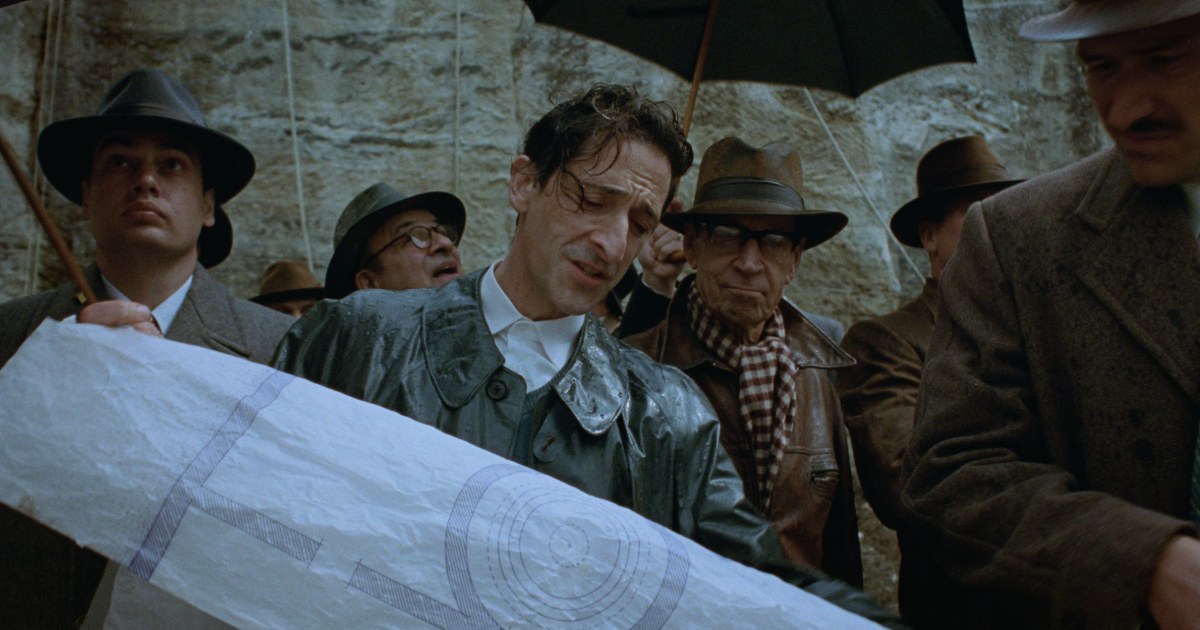
Controversy Erupts as ‘The Brutalist’ Editor Unveils AI Influence
The recent revelation by the editor of ‘The Brutalist’ about the influence of artificial intelligence (AI) in the film’s production has sparked a significant controversy within the film industry. As filmmakers grapple with the implications of AI technology, audiences are left questioning the authenticity of their cinematic experiences. This article delves deep into this unfolding situation, examining the role of AI in filmmaking, its potential benefits and drawbacks, and the broader implications for the industry and viewers alike.
The Role of AI in Filmmaking
Artificial intelligence is no longer a futuristic concept; it has begun to permeate various aspects of our daily lives, including the arts. In filmmaking, AI is utilized for numerous tasks ranging from script analysis to post-production editing. The editor of ‘The Brutalist’ revealed that AI played an integral role in the editing process, raising questions about creativity, authenticity, and the future of artistic expression.
- Script Development: AI can analyze existing scripts and predict audience reactions, helping writers craft compelling narratives.
- Editing: AI algorithms can assist in editing by categorizing footage, suggesting cuts, and improving pacing based on audience engagement patterns.
- Visual Effects: AI tools can generate realistic visual effects, reducing production time and costs.
The use of AI technologies can optimize various filmmaking processes, making them more efficient. However, the revelation has led many to question whether this reliance on technology undermines the human element of storytelling.
The Controversy Surrounding ‘The Brutalist’
‘The Brutalist’ has become a focal point of discussion due to its innovative yet contentious use of AI. Critics argue that the reliance on artificial intelligence compromises the authenticity of the film. They express concerns that the emotional depth and nuances of human creativity may be lost in a process dominated by algorithms and data analysis.
Supporters of AI in filmmaking, on the other hand, argue that technology can enhance creativity rather than replace it. They assert that AI serves as a tool to assist filmmakers in realizing their visions more effectively. This perspective posits that when used appropriately, AI can complement human creativity, leading to innovative storytelling techniques and production methods.
Reactions from Filmmakers and Audiences
The announcement has prompted a wave of reactions from both filmmakers and audiences. Some filmmakers have expressed their apprehension about the potential erosion of traditional craftsmanship in favor of technological shortcuts. For instance, renowned director Jane Doe stated, “While I appreciate the advancements that AI brings, I fear that it could lead to a commodification of art, reducing unique voices to mere data points.”
Conversely, some filmmakers welcome AI as a means to push boundaries and explore new creative avenues. John Smith, a tech-savvy director, commented, “AI allows us to experiment with narratives in ways we couldn’t have imagined before. It’s not about replacing creativity; it’s about enhancing it.”
Audiences have also voiced their concerns, with many questioning the authenticity of films produced with significant AI involvement. The emotional connection that viewers form with characters and stories is often rooted in the human experience, leading some to feel that AI-generated content may lack genuine emotional resonance.
Exploring the Ethical Implications
The rise of AI in filmmaking raises numerous ethical questions. As filmmakers increasingly depend on AI, the industry must consider the implications of these technologies on creativity, authorship, and accountability. Key questions include:
- Who owns the creative output generated by AI?
- How do we ensure that AI tools are used responsibly and ethically in storytelling?
- What happens to filmmakers and artists whose work is overshadowed by AI-generated content?
These ethical dilemmas necessitate a thoughtful approach to integrating AI into the creative process, ensuring that technology serves as an ally rather than a replacement for human creativity.
The Future of AI in Filmmaking
As the film industry navigates this complex landscape, it is evident that AI is here to stay. The potential benefits of AI—such as increased efficiency, cost savings, and innovative storytelling—cannot be ignored. However, filmmakers must remain vigilant in preserving the human touch that is integral to compelling narratives.
Looking ahead, the industry may see the emergence of hybrid models, where AI assists in the creative process while human filmmakers retain ultimate creative control. This partnership could lead to a new era of filmmaking, one that harnesses the strengths of both human creativity and technological innovation.
Conclusion: Embracing Change While Preserving Authenticity
The controversy surrounding ‘The Brutalist’ and its AI influence serves as a crucial moment for the film industry. It challenges filmmakers, audiences, and industry stakeholders to reflect on the evolving nature of creativity in the age of technology. While the integration of AI into filmmaking presents exciting possibilities, it also necessitates a commitment to preserving the authenticity and emotional depth that define great cinema.
As the discussion continues, it is essential for all involved—filmmakers, audiences, and technology developers—to engage in open dialogue about the role of AI in the arts. By embracing change while upholding the values of creativity and authenticity, the film industry can navigate this new frontier with confidence and integrity.
See more CNET Live