
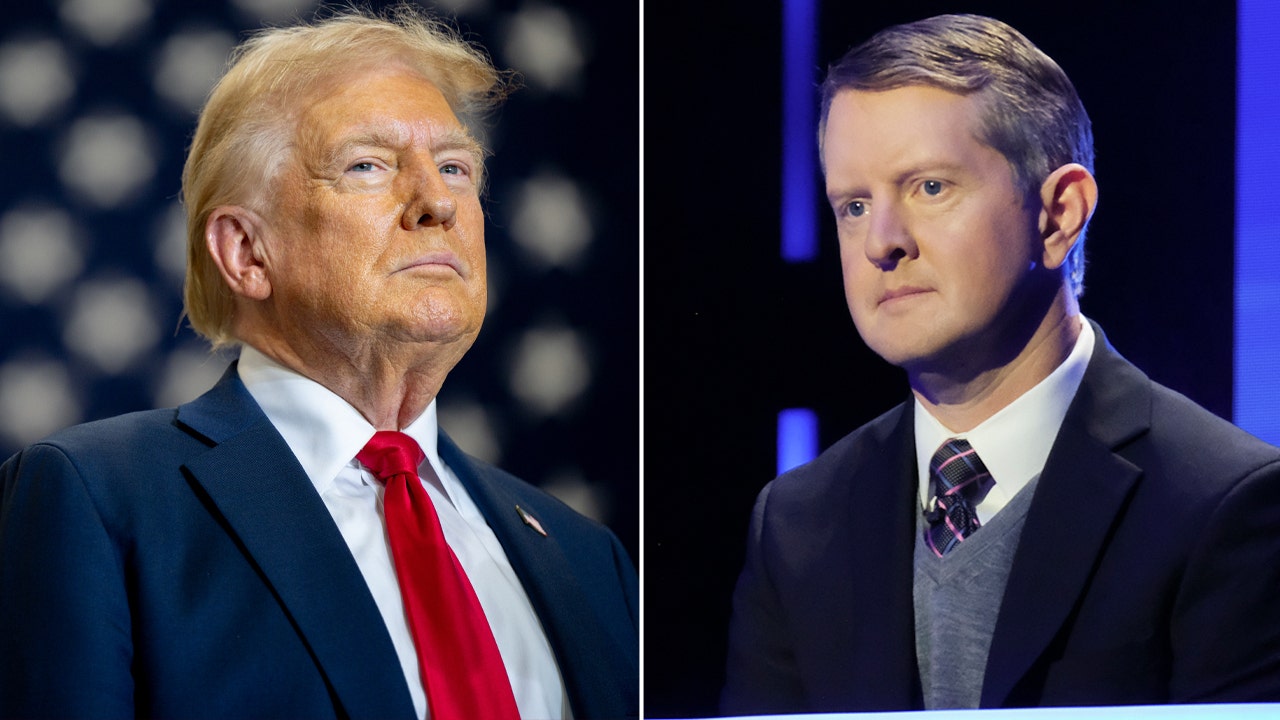
Hollywood’s Call to Action: Trump Faces Pressure on AI Regulations
As the realms of technology and entertainment increasingly intertwine, Hollywood’s influential figures are making a bold statement: they want former President Donald Trump to prioritize regulations surrounding artificial intelligence (AI). This call to action comes amidst a wave of backlash from fans of the iconic game show ‘Jeopardy!’ who are expressing their outrage over recent changes that they believe compromise the integrity of the show. The convergence of these two significant currents raises crucial questions about the future of both industries and the role of governance in shaping the landscape of entertainment and technology.
The AI Revolution: A Double-Edged Sword
Artificial intelligence is no longer a distant concept; it is a powerful force reshaping industries. From automated customer service to creative content generation, AI’s capabilities seem limitless. However, with great power comes great responsibility. The rapid advancement of AI technology raises ethical concerns, including issues of bias, job displacement, and intellectual property rights.
Hollywood, a hub of creativity and innovation, is particularly sensitive to the implications of AI. As studios increasingly rely on AI for scriptwriting, editing, and even casting decisions, questions about originality and the essence of storytelling are coming to the forefront. The entertainment industry is not just about profit—it’s about culture, emotion, and the human experience. Thus, it is vital for legislators to recognize the potential dangers of unregulated AI development.
Trump’s Role in AI Regulation
With the political landscape shifting, Trump’s influence remains significant. While in office, he was known for his hands-off approach to technology regulation. Now, as voices from Hollywood urge him to take AI seriously, the question arises: will he respond? The entertainment industry is calling for a framework that ensures AI technologies enhance creativity rather than replace it. Advocates argue that regulations must be established to prevent misuse and to maintain the integrity of artistic works.
Notably, prominent figures such as Steven Spielberg and J.J. Abrams have voiced their concerns regarding the unchecked use of AI in creative processes. They argue that while AI can assist in production, it should not replace the nuanced human touch that defines storytelling. This sentiment resonates deeply with fans of shows like ‘Jeopardy!’, where recent changes have sparked a debate about authenticity in entertainment.
The ‘Jeopardy!’ Backlash: A Case Study
The recent backlash against ‘Jeopardy!’ serves as a powerful case study in the intersection of AI and entertainment. Fans have expressed their dissatisfaction with the introduction of AI-generated questions, which they believe detracts from the show’s traditional charm. The outcry on social media platforms highlights a broader fear: as AI becomes more integrated into media, will it compromise the authenticity that audiences cherish?
Many longtime viewers argue that AI lacks the cultural context and emotional depth required to create truly engaging content. They fear that reliance on technology could lead to a homogeneous product that fails to reflect the diverse experiences of its audience. This situation underscores the need for careful consideration of how AI is utilized in creative domains.
Implications for the Future of the Industry
The implications of Hollywood’s call for AI regulation extend beyond just ‘Jeopardy!’. The potential for AI to disrupt various sectors—film, television, gaming, and beyond—cannot be overstated. As studios experiment with AI tools for everything from script analysis to marketing strategies, the demand for a regulatory framework becomes increasingly pressing.
- Job Security: One of the most immediate concerns is the impact of AI on job security within the industry. As AI technologies become more sophisticated, roles traditionally held by humans may be at risk.
- Creative Control: Who owns the content generated by AI? This question raises important issues regarding intellectual property, as actors, writers, and directors seek to protect their creative contributions.
- Bias and Representation: AI systems can inadvertently perpetuate biases present in the data they are trained on. Ensuring that AI-generated content reflects a diverse range of voices is crucial for an inclusive industry.
As the debate unfolds, it is clear that the entertainment industry must engage in a proactive dialogue about the role of AI. Collaboration between technologists, artists, and lawmakers will be essential to navigate the complexities of this rapidly evolving landscape.
Calls for Collaboration and Innovation
Hollywood’s call to action is not merely about regulation; it is also a plea for innovation and collaboration. By fostering an environment where technology and creativity can coexist, the industry can harness the power of AI to enhance storytelling without compromising its core values.
For instance, AI can be leveraged to analyze audience preferences, helping creators tailor content to meet viewer demands while still allowing for human creativity to flourish. The goal should be to use technology as a tool that empowers artists rather than as a replacement for their creativity.
Conclusion: A Path Forward
The intersection of Hollywood and technology presents both challenges and opportunities. As figures from the entertainment industry urge Trump to prioritize AI regulations, they are not just advocating for their own interests; they are championing a broader movement toward responsible innovation. The future of both industries depends on finding a balance between embracing technological advancements and preserving the human elements that make stories resonate.
In the coming months, as discussions around AI regulations continue, it will be vital for all stakeholders—creators, consumers, and regulators—to engage in meaningful dialogue. By addressing these concerns collaboratively, we can ensure that the evolution of technology enhances rather than diminishes the rich tapestry of human storytelling.
See more CNET Live