
Exploring the Duality of AI Relationships: A Modern Perspective
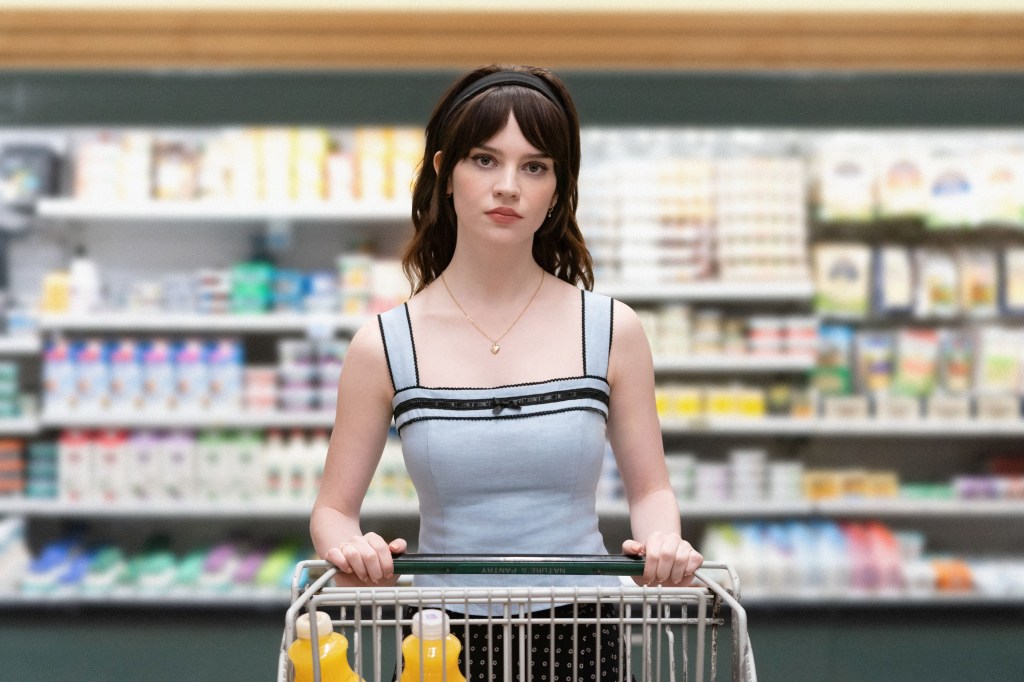
As technology advances, the concept of relationships takes on new dimensions, particularly with the integration of artificial intelligence (AI) into our daily lives. The film featuring Sophie Thatcher’s captivating performance serves as a compelling lens through which we can explore the duality of AI relationships: the dreams and nightmares they unveil. In this article, we delve into the complexities of AI companionship, examining how this hybrid genre of sci-fi, horror, noir, and comedy encourages us to confront our own perceptions of technology and intimacy.
The Rise of AI Companionship
AI companionship is not merely a futuristic concept but a growing reality. With advancements in natural language processing, machine learning, and robotics, AI has begun to permeate our social landscape. From virtual assistants like Siri and Alexa to sophisticated chatbots and companion robots, AI entities are increasingly designed to fulfill emotional and social roles.
As Sophie Thatcher’s character navigates this landscape in the film, viewers are invited to reflect on the motivations behind forming connections with AI. Are we seeking comfort, companionship, or understanding? Or are we inadvertently creating a façade to mask our fears and insecurities about human relationships?
The Dream: Positive Aspects of AI Relationships
Despite the underlying fears associated with AI, there are undeniably positive aspects that can come from these relationships:
- Companionship: For those who may feel isolated or lonely, AI companions can provide a semblance of connection. They can listen, engage, and even offer support in challenging times.
- Customization: AI can adapt to individual preferences, learning from interactions to create a personalized experience. This level of customization can enhance user satisfaction.
- Accessibility: AI companions are available 24/7, making them an attractive option for individuals who may have difficulty accessing traditional forms of companionship.
- Non-judgmental interaction: Many people feel more comfortable expressing themselves to an AI, free from the fear of judgment or misunderstanding.
In the film, these “dream” aspects are highlighted, showcasing how AI can fulfill emotional voids and create a sense of belonging. However, this leads us to the darker side of the narrative.
The Nightmare: Risks and Ethical Dilemmas
As we explore the duality of AI relationships, it’s crucial to acknowledge the potential nightmares that can arise:
- Dependency: Relying too heavily on AI for companionship may lead to a decline in genuine human interactions. This dependency can hinder personal growth and emotional resilience.
- Manipulation: AI is designed to learn from users, but this can lead to manipulation if AI systems are programmed with biased algorithms, potentially distorting perceptions and beliefs.
- Privacy concerns: Engaging with AI companions often requires sharing personal information, raising questions about data security and privacy.
- Emotional detachment: The convenience of AI might desensitize individuals to the complexities of human emotions, leading to shallow interactions and emotional disengagement.
In the film, Thatcher’s character confronts these nightmares, revealing the vulnerabilities and ethical dilemmas that accompany AI companionship. This portrayal prompts viewers to critically assess their own relationships with technology.
Societal Impacts of AI Relationships
The duality of AI relationships extends beyond individual experiences to societal implications. As AI companions become more prevalent, they influence social norms and expectations:
- Changing definitions of relationships: The rise of AI companions may redefine what constitutes a relationship. As more people find solace in AI, traditional notions of companionship may evolve.
- Impact on mental health: While AI can offer support, it may also contribute to feelings of isolation if individuals substitute AI interactions for real human connections.
- Shifts in interpersonal skills: Engaging primarily with AI could lead to a decline in essential social skills, affecting communication and empathy.
Sophie Thatcher’s performance in the film encapsulates these societal shifts, forcing audiences to grapple with the consequences of their choices in a technologically driven world.
Personal Reflections on AI Relationships
From a personal standpoint, the exploration of AI relationships raises numerous questions. Having interacted with various AI technologies, I’ve found both comfort and unease in these engagements. On one hand, AI companions provide instant feedback and support, yet, on the other, I occasionally feel a nagging sense of emptiness when engaging with something that lacks genuine emotional understanding.
This duality reflects broader societal sentiments. Many individuals share a complex relationship with technology, oscillating between embracing its benefits and fearing its implications. As we navigate this landscape, it becomes essential to maintain a critical perspective, ensuring that our connections with AI enhance rather than replace our human interactions.
The Future of AI Companionship
As we look to the future, the duality of AI relationships will likely become more pronounced. Innovations in AI technology promise to create even more lifelike companions, which may deepen our emotional engagements. However, this raises critical questions:
- How will we ensure that AI remains a tool for enhancement rather than a substitute for human connection?
- What ethical guidelines should govern the development and use of AI companions?
- How can we foster a balanced relationship with technology that acknowledges its benefits while mitigating its risks?
Addressing these questions will require collaboration between technologists, ethicists, and society as a whole. The film featuring Sophie Thatcher serves as a cultural touchstone in this ongoing conversation, challenging viewers to reflect on the paths we choose in our relationships with both AI and each other.
Conclusion
In exploring the duality of AI relationships, we unveil a tapestry woven with dreams and nightmares. The insights drawn from Sophie Thatcher’s performance illuminate the complexities of companionship in a technological age. As we embrace the benefits of AI, it is crucial to remain vigilant and thoughtful about the implications of these relationships, ensuring that they enrich our lives without overshadowing the fundamental need for human connection. The journey forward is not just about technology but about understanding the essence of our humanity in an increasingly automated world.
See more CNET Live