
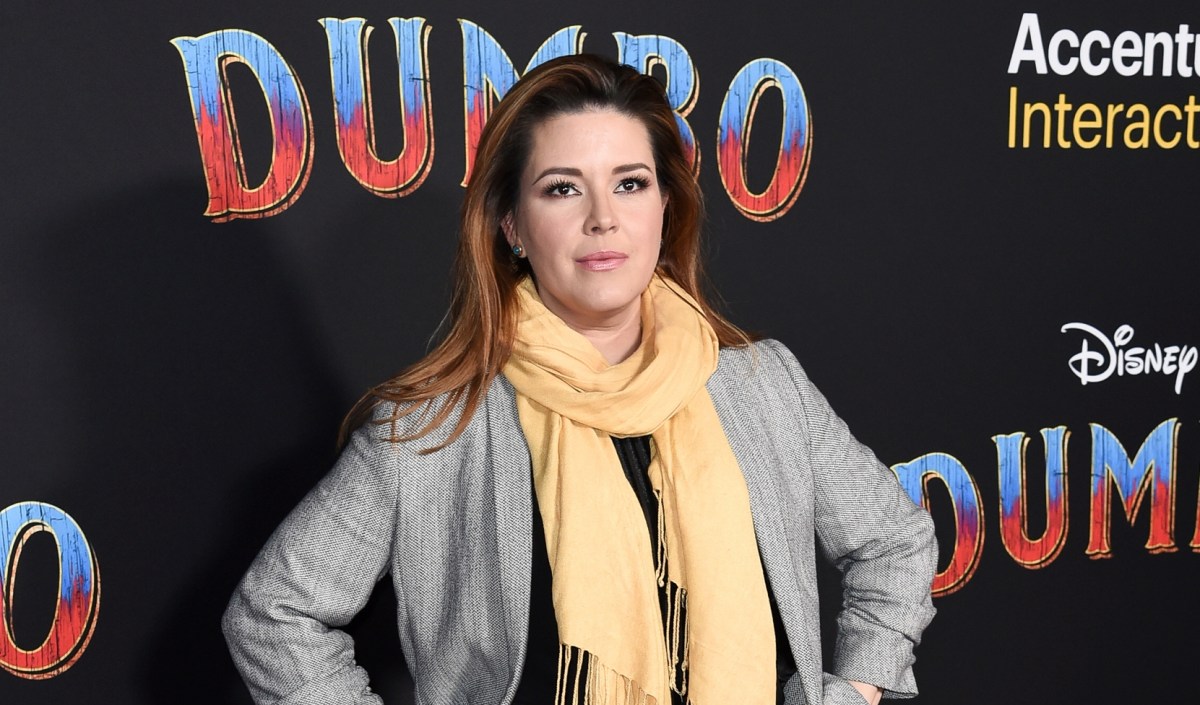
Alicia Machado Sparks Controversy with Bold Remarks on Alejandra Tijerina
In a world where celebrity voices often hold significant sway over public opinion, Alicia Machado has stirred the pot once again. The former Miss Universe recently made bold remarks about Alejandra Tijerina, igniting a firestorm of debate across social media platforms. This incident raises critical questions about celebrity culture, accountability, and the responsibilities that come with fame.
The Context Behind the Controversy
Alicia Machado, known for her outspoken nature and advocacy for body positivity, has never shied away from controversy. Her comments on Alejandra Tijerina, a fellow public figure, have generated a mixed bag of responses from fans and critics alike. Machado’s remarks were perceived by many as provocative, prompting discussions about the impact of such statements on public discourse.
Tijerina, a rising star in the entertainment industry, had previously made headlines for her bold fashion choices and unapologetic personality. The clash between these two personalities has brought to light the often tumultuous relationships within celebrity circles and how they mirror societal issues.
What Did Alicia Machado Say?
In her remarks, Alicia Machado expressed her views on Alejandra Tijerina’s lifestyle choices and public image, suggesting that they perpetuate unrealistic standards for young women. While Machado’s intentions may have been to spark a dialogue about the pressures of fame, her approach was met with backlash.
- Body Image Issues: Machado highlighted the struggles many women face in the public eye regarding their appearance, emphasizing the need for realistic representations.
- Accountability: She called for celebrities to be more accountable for their influence on impressionable audiences, particularly young girls.
- Empowerment vs. Objectification: Machado’s comments also touched on the fine line between empowerment and objectification in the entertainment industry.
The Reactions on Social Media
As the news broke, social media erupted with responses. Supporters of Alicia Machado praised her courage to speak out against unrealistic beauty standards, while detractors accused her of hypocrisy, given her own history in the beauty pageant world.
Many users took to platforms like Twitter and Instagram to express their opinions:
- Supporters: “Finally, someone is addressing the pressures of being in the spotlight! #TeamMachado”
- Critics: “Alicia should focus on her journey instead of tearing others down. #Hypocrisy”
This polarized response highlights the complexities of celebrity culture, where public figures are often held to contradictory standards. On one hand, they are admired for their successes, while on the other, they may face harsh scrutiny for their failures or missteps.
Implications of Celebrity Accountability
The controversy surrounding Alicia Machado’s remarks presents a broader conversation about accountability in celebrity culture. As public figures, celebrities wield substantial influence over their fans, particularly younger audiences who often look up to them as role models. Therefore, the question arises: should they be held accountable for their words and actions?
Some experts suggest that celebrities should use their platforms to promote positive messages and healthy lifestyles. Others argue that public figures are entitled to their opinions, even if they may not align with societal expectations. This dichotomy creates a challenging environment for celebrities who navigate the fine line between personal expression and social responsibility.
Exploring the Role of Media in Shaping Public Perception
The media plays a crucial role in shaping public perception of celebrities. It amplifies their voices and actions, often leading to a heightened sense of scrutiny. The way media outlets report on incidents like Machado’s comments can influence how audiences perceive both the celebrity and the issues at hand.
In this case, sensationalized headlines and clickbait articles could distort the original message. This highlights the need for responsible journalism that prioritizes substance over sensationalism. Media outlets should strive to provide context and clarity rather than merely stoking controversy for clicks.
Conclusion: A Call for Constructive Dialogue
Alicia Machado’s bold remarks on Alejandra Tijerina have undeniably sparked a significant conversation about celebrity culture and accountability. As reactions continue to pour in, it is essential for both supporters and critics to engage in constructive dialogue rather than resorting to divisive rhetoric. The focus should be on fostering understanding and encouraging celebrities to use their platforms for positive change.
Ultimately, the goal should be to create a culture where public figures can express their opinions without fear of backlash while simultaneously being mindful of the impact their words may have on their audience. By doing so, society can move towards a more supportive environment, one that values both personal expression and collective responsibility.
As discussions evolve, the implications of this controversy may serve as a catalyst for change within the entertainment industry. It is a reminder that the voices of public figures like Alicia Machado can resonate far beyond their immediate context, influencing perceptions and sparking vital conversations about representation and responsibility.
See more CNET Live