
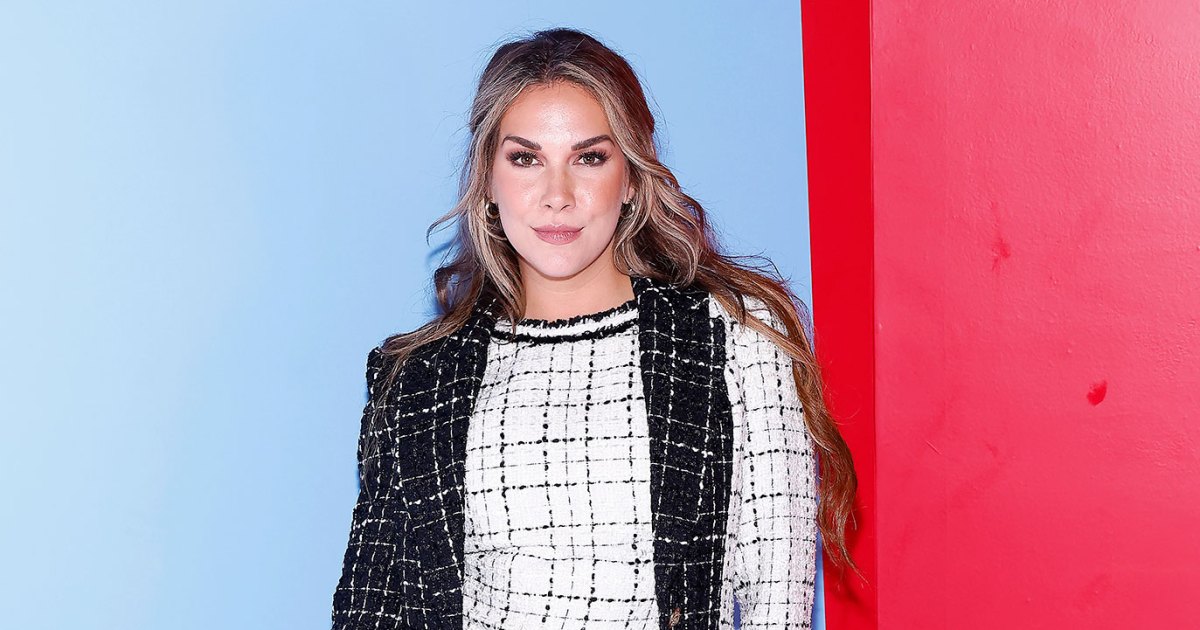
Allison Holker Breaks Silence: Her Struggles in the Dance Community Revealed
In a heartfelt and revealing interview, renowned dancer Allison Holker has opened up about the challenges and exploitation she has faced within the dance industry. Known for her incredible talent and vibrant personality, Holker’s insights shed light on the darker aspects of a field that often goes unrecognized. From the pressures of performance to the lack of support for artists, she calls for significant changes to protect the rights and well-being of dancers everywhere.
The Dance Industry’s Hidden Struggles
The dance community is often perceived as a glamorous world filled with passion and creativity. However, beneath the surface lies a reality that many dancers, including Holker, have experienced: exploitation. In her interview, she described how performers frequently find themselves in precarious situations, facing long hours, low pay, and a lack of job security.
“It’s easy to get lost in the glitz and glamour of dance,” Holker stated. “But many of us are struggling just to make ends meet. We train for years, dedicate our lives to our craft, and yet we often find ourselves undervalued and overworked.”
Exploitative Contracts and Insufficient Pay
One of the primary issues Holker highlighted is the exploitative nature of contracts in the dance industry. Many dancers are presented with offers that seem enticing at first but often include clauses that can leave them vulnerable. For instance:
- Unclear payment structures: Dancers may be promised significant exposure but receive little to no compensation for their work.
- Excessive performance hours: The expectation to perform for extended periods without adequate breaks can lead to physical and mental exhaustion.
- Limited rights: Many contracts do not protect the intellectual property of dancers, allowing production companies to exploit their choreography without fair compensation.
Holker stated, “There needs to be a shift in how contracts are structured, ensuring that dancers are fairly compensated for their artistry and labor.” This call for change is echoed by many in the dance community who face similar challenges.
The Mental Toll on Dancers
While physical strain is often discussed, the mental and emotional toll of dancing professionally is less visible but equally significant. Holker shared her personal experiences with anxiety and self-doubt, common issues among performers trying to navigate an often harsh industry.
“We put ourselves out there in front of audiences, and when you’re constantly critiqued, it can take a toll on your mental health,” Holker explained. “I’ve struggled with feelings of inadequacy, wondering if I’m good enough to be in this space.”
This mental burden is exacerbated by the competitive nature of dance. With many talented individuals vying for the same opportunities, the pressure to succeed can lead to a toxic environment. Holker’s openness about her struggles aims to foster a dialogue about mental health in the arts, encouraging others to seek help and support.
Advocating for Change in the Dance Community
With her platform and experience, Allison Holker is determined to advocate for change within the dance community. She believes that by raising awareness about these issues, significant progress can be made to protect artists and create a healthier environment for all performers.
Some of the changes she envisions include:
- Better pay and benefits: Establishing industry standards for pay that reflect the hard work and dedication of dancers.
- Support systems: Creating resources for mental health support and counseling specifically tailored for dancers.
- Transparent contracts: Developing clear and fair contract practices that ensure dancers understand their rights and compensation.
“It’s time for the dance community to come together and push for these changes,” Holker urged. “We need to protect our artists and ensure they feel valued and supported.”
The Role of Dance Organizations and Schools
In addition to Holker’s personal advocacy, there is a pressing need for organizations and dance schools to take responsibility. Many institutions are not only responsible for training dancers but also for setting standards in the industry. They can play a vital role in:
- Educating dancers: Teaching young dancers about their rights and how to navigate contracts can empower them as they enter the professional world.
- Creating safe spaces: Establishing environments where dancers feel safe to express their concerns about exploitation or mental health issues.
- Promoting ethical practices: Encouraging ethical hiring and payment practices within the industry as a whole.
The Importance of Community Support
As Holker continues to speak out about her struggles, she emphasizes the importance of community support among dancers. Building strong networks can help performers share their experiences, offer advice, and support one another in their careers. Social media platforms have become essential tools for fostering this sense of community.
“We’re all in this together,” Holker noted. “By sharing our stories and standing up for one another, we can create a more supportive dance community.”
Conclusion: A Call to Action
Allison Holker’s courageous revelations about her struggles in the dance community serve as a wake-up call for both artists and industry leaders. By addressing the issues of exploitation, mental health, and the need for systemic change, Holker inspires hope for a future where dancers can thrive without fear or inadequacy.
As the dance community rallies around her message, it’s clear that the time for change is now. With collective action and advocacy, there’s potential for a brighter, more equitable future for dancers everywhere. It’s not just about dancing; it’s about protecting those who bring art and joy into the world.
See more CNET Live