
Unveiling the Shadows: André Holland’s Captivating Interpretation of ‘The Dutchman’
In a world where art often reflects society’s deepest truths, André Holland’s recent portrayal in the revival of ‘The Dutchman’ serves as a poignant reminder of the continuing relevance of theater in confronting uncomfortable realities. Written by Amiri Baraka in 1964, this play has long been a seminal piece in the canon of American drama, exploring the intricate themes of race, identity, and societal expectations. Holland’s performance not only breathes new life into the character but also invites contemporary audiences to engage in critical dialogues about these enduring issues.
The Essence of ‘The Dutchman’
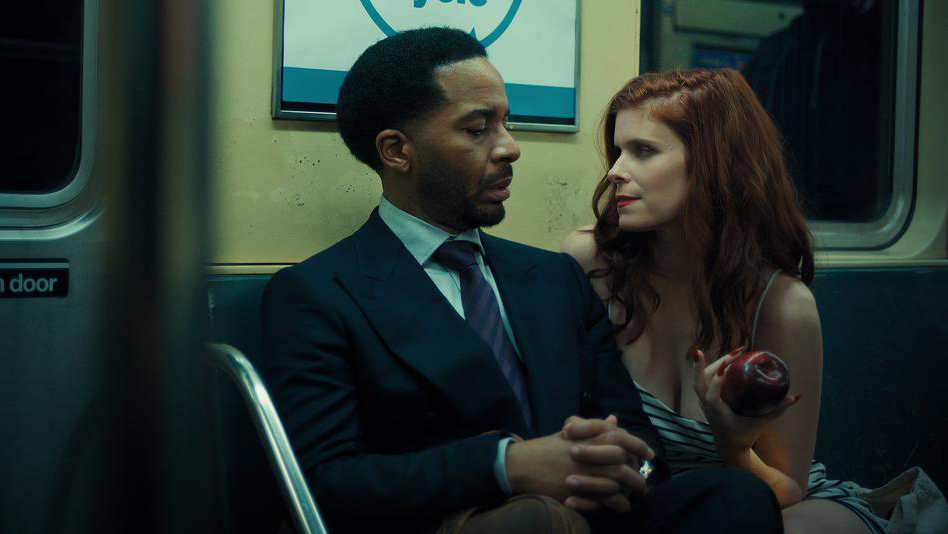
‘The Dutchman’ centers around a chance encounter between a young Black man, Clay, and a white woman, Lula, on a subway train. Their conversation quickly escalates from flirtation to confrontation, revealing the underlying tensions of race and identity in America. Baraka’s work is often regarded as a bold commentary on the social dynamics of the 1960s, but its message resonates just as powerfully today. Holland’s interpretation captures the essence of Clay’s struggle, offering a nuanced portrayal that highlights both vulnerability and strength.
André Holland’s Performance: A Masterclass in Nuance
André Holland, known for his roles in acclaimed projects such as ‘Moonlight’ and ‘The Knick’, brings a depth to Clay that is both captivating and haunting. His ability to oscillate between charm and despair allows the audience to witness the complexity of a Black man’s experience in a racially charged environment. Holland’s portrayal sheds light on the internal conflicts faced by Clay, making his journey relatable and poignant.
What sets Holland apart is his skill in using subtlety to convey profound emotions. Each pause, each shift in tone, speaks volumes about Clay’s psychological state. The profound silence that follows moments of confrontation is just as impactful as the dialogue itself, allowing the audience to absorb the weight of the themes being explored. This approach not only captivates the audience but also encourages them to reflect on their own perceptions and biases.
Confronting Societal Expectations
The themes of ‘The Dutchman’ challenge audiences to confront societal expectations regarding race and identity. In today’s context, these themes are more relevant than ever. Holland’s performance invites viewers to engage with difficult questions about race relations and the societal constructs that shape our interactions.
- Race and Identity: Holland’s portrayal of Clay brings to the forefront the complexities of racial identity in a society that often seeks to define individuals by the color of their skin.
- Societal Pressure: The character of Lula represents societal expectations and the seductive yet dangerous allure of conformity. Holland’s interactions with her underscore the tension between individuality and societal norms.
- Power Dynamics: The play delves into the power imbalances that exist in racial interactions, a theme that remains pertinent in contemporary discussions about privilege and oppression.
As audiences witness the unraveling relationship between Clay and Lula, they are compelled to reflect on their own experiences and the larger societal narratives that influence perceptions of race and identity.
Engaging in Dialogue
The revival of ‘The Dutchman’ under Holland’s interpretation serves not just as entertainment but as a catalyst for dialogue. After the performance, many audience members reported feeling compelled to discuss the themes presented. This phenomenon highlights the play’s potential to spark meaningful conversations about race and identity in a modern context.
In an era marked by social movements advocating for racial justice and equality, Holland’s portrayal resonates with audiences who are eager to engage in discussions about systemic racism and cultural identity. The production encourages viewers not only to reflect on their own views but also to consider the broader societal implications of the characters’ actions and decisions.
The Legacy of Amiri Baraka
Amiri Baraka, originally known as LeRoi Jones, was a revolutionary figure in American literature and politics. His work often explored the intersections of race, culture, and identity, making him a pivotal voice in the Black Arts Movement. ‘The Dutchman’ is a testament to Baraka’s ability to distill complex social issues into a narrative that is both accessible and thought-provoking.
As Holland breathes new life into this classic, it is essential to recognize Baraka’s lasting impact on American theater. His fearless exploration of race and identity paved the way for future generations of playwrights and actors to tackle similar themes. By reviving ‘The Dutchman’, Holland not only honors Baraka’s legacy but also reaffirms the play’s relevance in today’s socio-political landscape.
The Role of Theater in Social Change
Theater has historically played a crucial role in challenging societal norms and inspiring change. Productions like ‘The Dutchman’ are vital because they provide a platform for marginalized voices and provoke discussions around issues that are often swept under the rug. Holland’s performance exemplifies how art can serve as a mirror to society, reflecting our flaws and inspiring us to strive for a better understanding of one another.
By engaging with the themes presented in ‘The Dutchman’, audiences are encouraged to confront their own biases and consider their roles in perpetuating or challenging societal expectations. This process of reflection is essential for fostering empathy and understanding in an increasingly polarized world.
Conclusion: A Call to Action
André Holland’s captivating interpretation of ‘The Dutchman’ is more than just a revival of a classic play; it is a powerful reminder of the ongoing struggle for racial equality and identity in America. Through his nuanced performance, Holland invites audiences to confront uncomfortable truths and engage in meaningful dialogue about race, power, and societal expectations.
As we leave the theater, we are called to reflect on our own experiences and the role we play in shaping the narrative of race and identity in our communities. The revival of ‘The Dutchman’ stands as a testament to the transformative power of theater, urging us all to engage with the shadows that linger in our society and work towards a more inclusive future.
See more CNET Live