
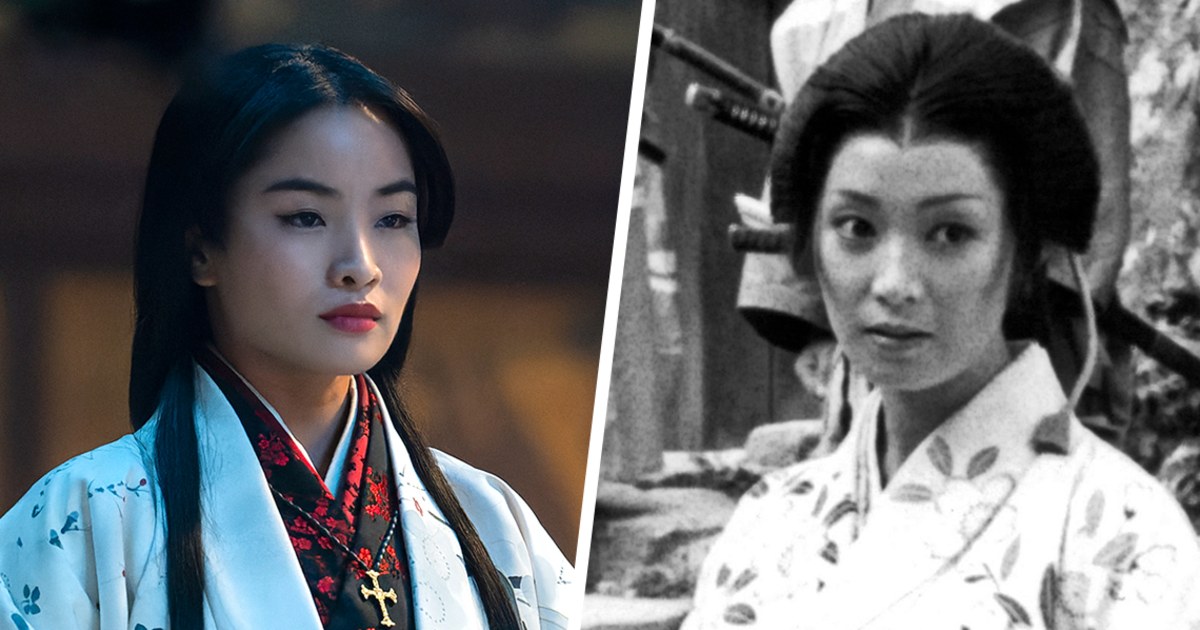
A Legacy Reimagined: Anna Sawai’s Golden Globe Triumph
In a remarkable twist of fate, Anna Sawai has clinched a Golden Globe for her portrayal in the television adaptation of “Shogun,” echoing the groundbreaking achievement of Yoko Shimada 44 years earlier. This win not only highlights the enduring legacy of the role but also marks a significant moment in television history. The parallels between these two actresses’ journeys provide a rich tapestry of cultural significance and artistic achievement that merits exploration.
Anna Sawai: A New Era of Representation
Anna Sawai’s ascent to acclaim with her Golden Globe win is emblematic of a broader shift in the entertainment industry. Her portrayal of the character Okaru in “Shogun” demonstrates a commitment to authentic representation and nuanced storytelling. In an era where diversity and inclusion are increasingly prioritized, Sawai’s performance resonates deeply with audiences who seek representation on screen.
Born in Japan and raised in New Zealand, Sawai embodies a blend of cultural influences that enrich her acting. Her journey from a young girl passionate about performing arts to an award-winning actress is inspiring. Winning the Golden Globe not only validates her efforts but also shines a spotlight on the importance of Asian narratives in mainstream media.
Breaking Barriers
When Yoko Shimada won the Golden Globe in 1980 for her role as Mariko in the original “Shogun” miniseries, it was a historic moment in its own right. Shimada’s win was a breakthrough for Asian actresses, challenging the prevailing stereotypes that often limited their roles. Despite the challenges, she paved the way for future generations, and now, Sawai’s win can be seen as a continuation of that legacy.
- Historical Significance: Shimada’s performance was one of the first times a Japanese actress received international recognition, breaking through the barriers that often confined Asian actors to secondary roles.
- Continuity of Legacy: Sawai’s Golden Globe triumph is not just a personal victory; it is a reaffirmation of Shimada’s legacy and the evolution of Asian representation in Hollywood.
- Cultural Impact: Both actresses have become symbols of hope and inspiration for aspiring actors from underrepresented backgrounds.
The Cultural Context of “Shogun”
“Shogun,” based on James Clavell’s novel, explores themes of power, honor, and cultural clash through the lens of a Western sailor who finds himself in feudal Japan. The story provides a rich backdrop for character exploration, and both Sawai and Shimada have brought depth to their roles, showcasing the complexities of their characters against a historical panorama.
The cultural significance of “Shogun” cannot be overstated. It was one of the first major productions to depict Japanese culture with a level of authenticity that resonated with global audiences. The miniseries opened doors for other stories that explore Asian cultures, contributing to a gradual shift in Hollywood’s narrative landscape.
The Role of Women in “Shogun”
Both Anna Sawai and Yoko Shimada portrayed strong female characters who navigated the intricacies of a male-dominated society. Their roles highlight the resilience and strength of women, making a statement about gender dynamics that remains relevant today.
- Empowerment: Okaru and Mariko are not merely supporting characters; they are pivotal to the story’s progression, showcasing their influence in a world shaped by tradition and power struggles.
- Representation: Their characters serve as a reflection of the struggles and triumphs of women in both historical and modern contexts.
Reactions and Implications of the Win
The reaction to Anna Sawai’s Golden Globe win has been overwhelmingly positive, with fans and critics alike celebrating this historic moment. Social media platforms have witnessed a surge of support, reflecting the excitement surrounding her achievement. This win not only celebrates Sawai’s talent but also sparks discussions about the future of Asian representation in Hollywood.
Industry Response
In the wake of Sawai’s victory, industry leaders are being urged to continue investing in diverse storytelling. The success of “Shogun” serves as a case study for how rich narratives can emerge from diverse perspectives, ultimately contributing to a more inclusive entertainment landscape.
- Encouragement for More Diverse Projects: Sawai’s win highlights the demand for more stories that reflect the experiences of underrepresented groups.
- Increased Opportunities: This victory may pave the way for more Asian actors and creators in Hollywood, fostering a new wave of storytelling that embraces diversity.
Looking Forward: The Future of Asian Representation
The legacies of Anna Sawai and Yoko Shimada intertwine, illustrating a journey that has evolved over decades. As the entertainment industry continues to grapple with issues of representation, their achievements serve as a beacon of hope for future generations of actors.
The cultural tide is shifting, and Sawai’s Golden Globe win is a testament to the power of perseverance and talent. It encourages the industry to embrace stories that are not only diverse but also rich in authenticity and cultural significance. As audiences increasingly demand representation, the future looks promising for Asian actors and storytellers.
Final Thoughts
In conclusion, Anna Sawai’s Golden Globe triumph is much more than an award; it is a celebration of a legacy reimagined. Echoing Yoko Shimada’s historic win, this moment in television history emphasizes the importance of representation and the value of authentic storytelling. As we celebrate this milestone, we also look forward to a future where diverse voices continue to shape the narrative landscape, enriching our collective understanding of the world through the lens of varied experiences.
As fans, we can champion these narratives and support the artists who bring them to life, ensuring that the legacy of representation continues to thrive for generations to come.
See more CNET Live