
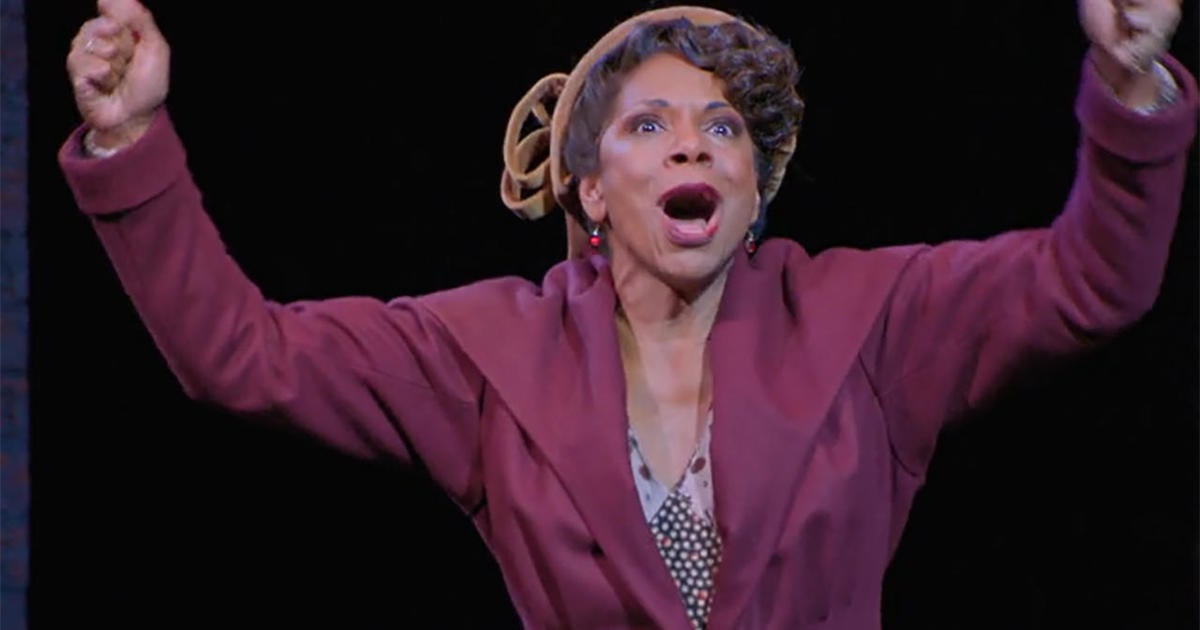
Audra McDonald and the Multifaceted Nature of Stage Mothers in “Gypsy”
In the world of theater, few characters are as iconic and complex as Rose, the indomitable stage mother from the musical “Gypsy.” Portrayed by the incomparable Audra McDonald, Rose is a figure that embodies both ambition and heartbreak, revealing the intricate dynamics between parental ambition and the sacrifices made for success. In a recent interview, McDonald reflected on her journey to embody this multifaceted character and the broader implications of the stage mother archetype in the performing arts.
The Complexity of Rose: A Character Analysis
Rose, the central figure in “Gypsy,” is a character who has sparked debate among audiences and critics alike. She is driven by an unwavering desire to see her daughters succeed in the entertainment industry, often at the expense of their personal happiness and autonomy. This portrayal raises questions about the fine line between nurturing ambition and imposing one’s dreams onto another.
Ambition Versus Control
Audra McDonald emphasizes that Rose is not merely a tyrant; rather, she is a product of her own circumstances. As McDonald explains, “Rose believes she is doing what is best for her children, but her vision of success is clouded by her own unfulfilled dreams.” This sentiment resonates with many who have encountered stage mothers in various forms, highlighting the complex relationships between parents and their children in the pursuit of fame and recognition.
McDonald’s performance is layered with emotional depth, showcasing Rose’s vulnerability alongside her fierce ambition. This duality invites the audience to empathize with her struggles, even as they grapple with her more manipulative tendencies. The character’s evolution throughout the musical underscores the challenges of balancing ambition with understanding, painting a portrait of a mother who is both a villain and a victim of her own aspirations.
Historical Context of Stage Mothers
The archetype of the stage mother is not new. It has its roots in the early 20th-century entertainment industry, where many women, often single or struggling, pushed their children into the spotlight as a means of survival. The phenomenon can be traced back to vaudeville and the rise of Hollywood, where the pressure to succeed was immense.
- Vaudeville Era: Many stage mothers emerged during this time, believing that success in the performing arts could elevate their family’s status.
- Hollywood’s Golden Age: The image of the stage mother was solidified in film and television, showcasing the lengths to which mothers would go to support their children’s careers.
Today’s interpretations of stage mothers have evolved, yet the core motivations often remain the same: the desire for success, recognition, and a better life for their children. McDonald highlights that while the character of Rose is exaggerated, many elements reflect real-life experiences, resonating with audiences on a personal level.
Challenges of Portraying Rose
For McDonald, stepping into the shoes of Rose was both a privilege and a challenge. The role demands not only vocal prowess but also the ability to convey the emotional turmoil inherent in the character. “It requires digging deep into the psyche of a woman who is both powerful and deeply flawed,” McDonald remarks.
The Vocal Demands of the Role
Musically, “Gypsy” presents significant challenges. The score features some of the most demanding songs in the musical theater canon, requiring not only technical skill but also an emotional resonance that can captivate audiences. McDonald’s extensive background in both opera and musical theater equips her with the tools necessary to navigate these challenges, ensuring that her portrayal of Rose is both technically proficient and deeply affecting.
Emotional Vulnerability
Moreover, McDonald addresses the emotional vulnerability required for the role. “It’s about finding the heart in Rose, even when she’s making choices that hurt those she loves,” she states. This exploration of emotional complexity is critical in presenting a well-rounded character, allowing the audience to confront their own feelings about ambition and familial expectations.
The Stage Mother Archetype in Popular Culture
The discussion around stage mothers extends beyond “Gypsy” and resonates throughout popular culture. From reality television to social media, the archetype continues to evolve, often depicted in various forms that reflect contemporary values and challenges.
- Reality Television: Shows like “Dance Moms” and “Toddlers & Tiaras” portray stage mothers in both humorous and dramatic lights, raising questions about parenting styles and the pressure to succeed.
- Social Media Influence: With platforms like Instagram and TikTok, the visibility of young performers has surged, leading to new dynamics in how stage mothers operate and the expectations placed on children.
These portrayals often amplify the extremes of the stage mother experience, leading to a broader societal conversation about parental influence in the arts and the quest for success. However, they also risk oversimplifying the complexities of these relationships, reducing them to caricatures rather than nuanced characters.
Broader Implications of the Stage Mother Narrative
The narrative of the stage mother holds broader implications for discussions about gender, ambition, and the arts. Women have historically been relegated to supporting roles, and the stage mother can be seen as a reflection of societal pressures that compel women to project their ambitions onto their children.
In many ways, the stage mother serves as a mirror, reflecting the societal expectations placed upon women to be both nurturing and ambitious. McDonald’s portrayal of Rose challenges audiences to reconsider these stereotypes and delve deeper into the motivations that drive such behavior.
Conclusion: A Thoughtful Reflection
Audra McDonald’s portrayal of Rose in “Gypsy” invites audiences to reflect on the complexities of ambition, love, and the sometimes fraught relationships between mothers and their children in the performing arts. By exploring the multifaceted nature of stage mothers, McDonald not only honors the character’s legacy but also contributes to a broader dialogue about parental influence, ambition, and the sacrifices inherent in the pursuit of success.
As audiences continue to engage with these narratives, the conversation surrounding stage mothers will likely evolve, revealing new insights into the timeless struggle for recognition and the lengths to which individuals will go to achieve their dreams. Through her powerful performance, McDonald ensures that Rose remains a compelling figure, challenging us to understand and empathize with the complexities of ambition in the world of theater.
See more CNET Live