
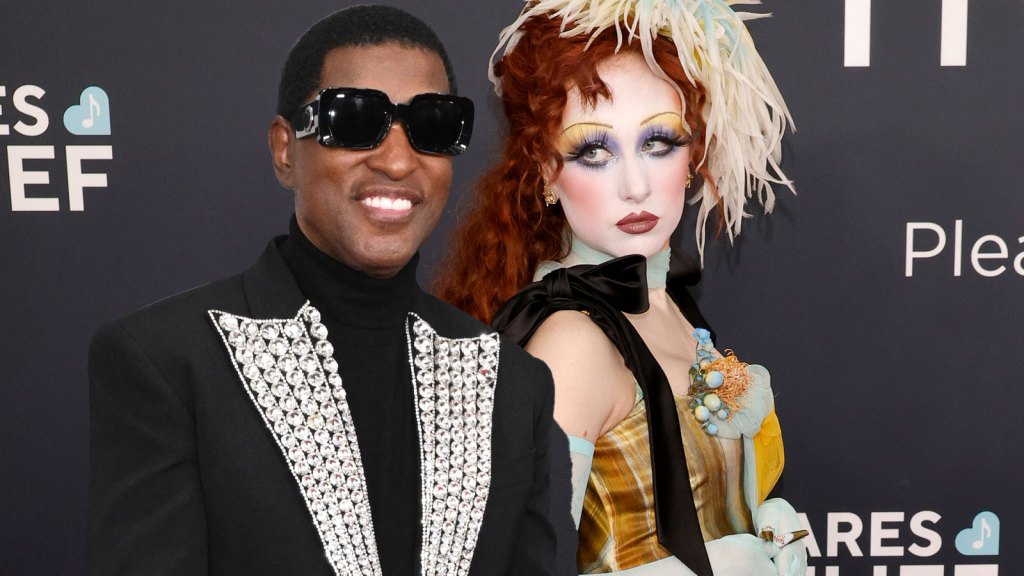
Babyface’s Grammy Awards Snub: Understanding the Controversy
In a surprising turn of events at the Grammy Awards, legendary musician Babyface found himself at the center of a media uproar when his interview was abruptly cut short. This incident has ignited conversations across social media platforms, with fans and critics alike questioning the decision to prioritize fellow artist Chappell Roan over the seasoned performer. The situation not only raises eyebrows regarding media representation but also highlights broader issues surrounding artist recognition in today’s entertainment landscape.
What Happened During the Grammy Awards?
During the live broadcast of the Grammy Awards, Babyface was set to discuss his illustrious career and recent projects. As a respected figure in the music industry, having penned numerous hits for a variety of artists and released his own acclaimed albums, expectations were high for his interview segment. However, the moment quickly took a turn when the producers opted to switch the focus to Chappell Roan, a rising star in the pop scene.
Viewers tuned in to hear Babyface speak but were met with confusion as the camera angle shifted away from him just as he was beginning to share his insights. The abrupt transition sparked outrage among fans, many of whom expressed their disappointment on social media. Comments ranged from disbelief to outright anger, as Babyface’s extensive contributions to music seemed to be overshadowed by the newer artist’s rising popularity.
The Backlash and Public Response
The backlash was swift. Social media platforms buzzed with reactions, with hashtags related to Babyface trending shortly after the incident. Supporters of the artist took to platforms like Twitter and Instagram to voice their discontent, emphasizing the importance of recognizing established talent within the industry. Many fans highlighted Babyface’s legacy, arguing that cutting his interview short was a disservice to his years of hard work and dedication.
- Fans’ Reactions: Many fans expressed their support for Babyface, calling for more respect for seasoned artists.
- Critics’ Comments: Some critics pointed out that media outlets often prioritize newer artists for ratings, potentially at the expense of established musicians.
- Industry Insights: Music industry insiders chimed in, suggesting that the focus on new talent is part of a larger trend in the industry.
The Broader Implications of the Incident
This incident is not just about a single snub; it reflects a broader issue in the music industry regarding how artists are represented and recognized. The Grammy Awards, known for celebrating musical excellence, have often faced criticism for their voting processes and the visibility given to artists. Here are several layers to consider:
Media Representation
The abrupt cut of Babyface’s interview raises questions about media representation. In an industry that thrives on storytelling, artists like Babyface carry rich histories and experiences that deserve to be shared. When media outlets prioritize flashy new talent over established artists, they risk alienating long-time fans and diminishing the narrative depth that seasoned musicians bring to the table.
Artist Recognition
As the music industry continues to evolve, the recognition of artists—especially those with extensive careers—becomes crucial. The Grammy Awards have been criticized for often favoring contemporary hits and trending artists, sometimes at the expense of recognizing the contributions of veterans like Babyface. This shift can impact how emerging artists perceive their own careers and the importance of legacy.
The Case of Chappell Roan
While many have rallied around Babyface, it’s essential to recognize Chappell Roan as well. As a newer artist making waves in the pop music scene, Roan represents a fresh perspective and a new generation of musicians. The Grammy Awards are also about celebrating diversity and new voices, but the challenge lies in balancing this with honoring the legends who paved the way.
Roan’s rise to fame has been marked by her distinctive sound and unique style, resonating with a younger audience. It’s vital for award shows to find room for both emerging and established talent, ensuring that the industry continues to thrive by fostering a sense of community among artists.
The Path Forward: Finding Balance in Recognition
As the dust settles on this incident, it prompts an essential conversation about how the music industry and award shows can evolve. Here are some potential steps forward:
- Inclusive Programming: Award shows could benefit from segments dedicated to honoring both emerging and established artists, allowing for a more equitable representation.
- Artist Panels: Implementing discussions or panels with industry veterans could provide insights and facilitate conversations about the importance of legacy.
- Fan Engagement: Engaging fans in discussions about representation can lead to more informed decision-making regarding programming and artist recognition.
Conclusion: A Call for Reflection
In conclusion, Babyface’s Grammy Awards snub is a poignant reminder of the complexities of media representation and artist recognition in the music industry. While the emergence of new talent is vital for the evolution of music, it should not come at the expense of honoring those who have made significant contributions. As discussions continue to unfold, it is crucial for both the media and industry stakeholders to reflect on how they can create a more inclusive environment that celebrates all artists—both new and established.
The incident has sparked a broader dialogue about the need for balance, recognition, and respect in an ever-changing musical landscape. With thoughtful consideration and engagement, the industry can take strides toward a future where every artist’s story is valued and celebrated.
See more CNET Live