
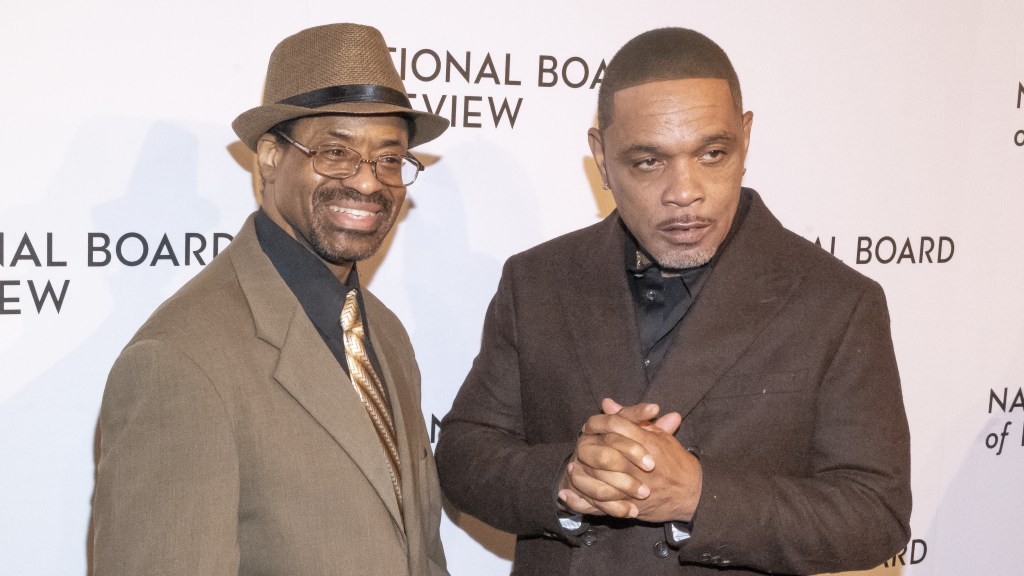
BAFTA Nominees Clarence Maclin and John ‘Divine G’ Whitfield Face Visa Denial Ahead of Ceremony
In an unexpected turn of events, BAFTA nominees Clarence Maclin and John ‘Divine G’ Whitfield have been denied UK visas, preventing their attendance at the prestigious awards ceremony. This situation not only highlights the personal struggles of these talented individuals but also raises critical questions about accessibility and recognition in the film industry. The decision has sparked a broader conversation about the barriers faced by artists and creators from diverse backgrounds, particularly in an increasingly globalized world.
The Context of the BAFTA Awards
The British Academy of Film and Television Arts (BAFTA) Awards are among the most prestigious accolades in the film industry, celebrating excellence in cinematic achievements. For artists like Clarence Maclin and John ‘Divine G’ Whitfield, being nominated for a BAFTA is a significant honor that can substantially impact their careers.
However, the inability to attend such a high-profile event due to visa issues is not just an inconvenience; it is a reflection of systemic barriers that can hinder the recognition and visibility of talented individuals in the arts. Both Maclin and Whitfield have made significant contributions to their respective fields, and their nominations signify the potential for greater representation within the industry.
Understanding the Visa Denial
Visa denials can stem from various factors, including insufficient documentation, concerns over applicants’ intentions, or even broader geopolitical issues. In the case of Maclin and Whitfield, reports suggest that their applications were rejected despite meeting the necessary criteria. This has not only left them disappointed but has also raised concerns about the transparency and fairness of the visa application process for artists.
- Unclear Guidelines: Many artists report confusion over what documentation is required for a successful visa application.
- Timeliness: The timing of applications can significantly affect outcomes, with last-minute submissions often resulting in denials.
- Financial Concerns: Applicants must demonstrate financial stability, which can be challenging for independent artists.
The Implications for Artists and the Industry
The denial of visas for nominees like Maclin and Whitfield underscores a broader issue of accessibility in the film industry. Here are a few implications of their situation:
- Visibility and Recognition: Absence from such a prestigious event limits their exposure and opportunities to network with industry leaders.
- Representation Matters: Underrepresentation of diverse voices in film can perpetuate stereotypes and limit storytelling perspectives.
- Impact on Future Projects: The inability to attend significant events can hinder future collaborations and funding opportunities.
Challenging the Status Quo
The film industry has been increasingly vocal about the need for diversity and inclusion, yet situations like this reveal that there is still significant work to be done. Many artists, especially those from marginalized communities, encounter systemic obstacles that prevent them from achieving their potential.
Organizations and industry leaders must recognize these barriers and work towards more inclusive practices. This could include:
- Streamlining Visa Processes: Creating clearer guidelines and support systems for artists applying for visas.
- Advocacy: Collaborating with governments to advocate for policies that support international artists.
- Financial Assistance: Offering grants or funds to help cover visa application costs for artists.
Support from the Community
The film community has rallied around Maclin and Whitfield, expressing solidarity through social media and other platforms. This support is vital, as it not only provides emotional backing but also raises awareness about the challenges faced by artists. The collective voice of the community can be a powerful tool in advocating for change.
Furthermore, many artists have shared their own experiences with visa challenges, creating an atmosphere of understanding and solidarity. This sharing of stories can help to humanize the issue and encourage more conversations about accessibility in the arts.
Looking Forward: A Call to Action
While the immediate future for Clarence Maclin and John ‘Divine G’ Whitfield may seem uncertain, their situation serves as a catalyst for broader discussions about inclusivity in the film industry. Here are some proactive steps that can be taken:
- Engaging Policymakers: Artists and industry leaders should engage with policymakers to advocate for more accessible visa policies.
- Community Initiatives: Establishing initiatives that support international artists in navigating visa processes.
- Education and Resources: Providing workshops or resources that educate artists about the visa application process and requirements.
The film industry thrives on creativity, diversity, and collaboration. By ensuring that talented individuals like Maclin and Whitfield can participate fully, we enrich the cinematic landscape and ultimately create a more vibrant and inclusive community.
Conclusion
The denial of UK visas for BAFTA nominees Clarence Maclin and John ‘Divine G’ Whitfield is a pressing reminder of the barriers that still exist within the film industry. As the community comes together to support these artists, it is essential to address the systemic issues that prevent many from gaining the recognition they deserve. By advocating for change, fostering inclusivity, and sharing stories of struggle and triumph, we can work towards a future where all artists have the opportunity to shine on the global stage.
See more CNET Live