
Unpacking Censorship: Why the BBC Edited Trump Jokes from BAFTA Opening
The recent decision by the BBC to edit out certain jokes about Donald Trump from David Tennant’s opening remarks at the BAFTA awards has ignited a heated discussion around the concepts of censorship, media responsibility, and political sensitivity. This incident serves as a microcosm of the broader societal debates we are experiencing today regarding humor, politics, and the role of media in shaping public discourse.
The Context of the Incident
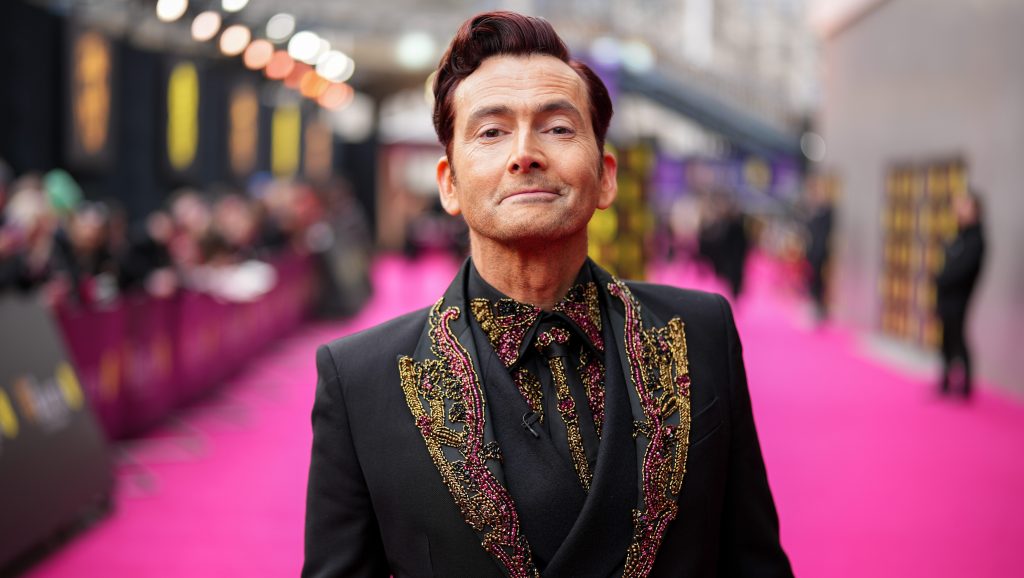
At the BAFTA awards, which celebrate excellence in film and television, David Tennant, a well-known actor and host, delivered a monologue that aimed to blend humor with commentary on contemporary issues. Among the jokes were remarks that poked fun at Donald Trump, the former President of the United States, who has remained a polarizing figure on the global stage. The BBC, known for its commitment to impartiality, decided to edit these jokes from the broadcast, raising questions about the boundaries of free speech and the role of humor in political commentary.
Understanding Censorship and Its Implications
Censorship broadly refers to the suppression of speech, public communication, or other information that may be considered objectionable, harmful, sensitive, or inconvenient to authorities or groups in power. In the context of the BBC’s decision, it reflects a cautious approach to content that could potentially alienate viewers or provoke backlash from politically sensitive audiences.
- Media Responsibility: The BBC has a long-standing reputation for impartiality and strives to maintain a neutral stance in reporting political matters. This decision may stem from a desire to avoid perceived bias against any political figure, particularly one as contentious as Trump.
- Public Sensitivity: In today’s climate, humor about political figures can be a double-edged sword. What is funny to some may be offensive to others, especially in a divided political landscape.
- Impact on Comedy: The editing of jokes raises concerns about how comedy is evolving in response to social and political pressures. Comedians and writers might feel less free to explore certain subjects, leading to a more homogenized form of humor.
The Role of Humor in Political Discourse
Humor has always played a vital role in political discourse, serving as a tool for critique, reflection, and even protest. Comedians often highlight societal flaws and political absurdities in a way that is both accessible and engaging. However, the current polarized atmosphere complicates this role. With audiences divided along political lines, jokes that once may have been universally understood can now be seen as partisan attacks.
Broader Trends in Media and Humor
The BBC’s decision to censor jokes about Trump reflects a wider trend in media where platforms are increasingly navigating the tricky waters of political correctness, audience perception, and the impact of social media. Here are some notable aspects of this trend:
- Cancel Culture: The phenomenon of ‘cancel culture’ has made media outlets wary of airing content that could be deemed offensive, leading to preemptive editing or censorship.
- Social Media Backlash: With the speed at which content spreads on social media, a single joke can quickly lead to a backlash, prompting outlets to err on the side of caution.
- Audience Expectations: The expectations of audiences have shifted dramatically. Viewers now demand sensitivity and awareness in content, particularly regarding issues of race, gender, and politics.
The Fine Line Between Censorship and Sensitivity
In navigating these complexities, media outlets like the BBC face a challenging balancing act. On one hand, they must respect the freedom of expression that allows for comedic critique of political figures. On the other hand, they must be sensitive to the varied reactions of their audience. This balance becomes particularly delicate when dealing with a figure as controversial as Donald Trump.
Critics of the BBC’s decision argue that editing the jokes amounts to an infringement on comedic expression and a capitulation to political correctness. They contend that humor should be a space where ideas can be freely explored, even if they touch upon sensitive subjects. Supporters, however, assert that the BBC’s choice reflects a responsible approach to media that considers the potential for harm and division in an already polarized society.
Moving Forward: The Future of Political Humor
As we look to the future, the question remains: how will political humor evolve in response to these challenges? Here are a few possible developments:
- New Formats: Comedians may turn to new formats, such as podcasts or online platforms, where the risk of censorship is lower, allowing for more robust discussions and humor about political issues.
- Increased Collaboration: Collaborations between comedians and political analysts could foster a more nuanced approach to humor that respects diverse viewpoints while still addressing serious issues.
- Dialogue with Audiences: Engaging audiences in discussions around humor and its implications can help to bridge the divide, fostering a better understanding of differing perspectives.
Conclusion
The decision by the BBC to edit jokes about Donald Trump from David Tennant’s BAFTA opening remarks prompts critical discussions about censorship, political sensitivity, and the role of humor in public discourse. As our society grapples with these issues, it is crucial to strike a balance that allows for free expression while being mindful of the diverse reactions that humor can evoke. The future of political humor will undoubtedly be shaped by these ongoing conversations, and it remains to be seen how comedians and media outlets will navigate this evolving landscape.
See more CNET Live