
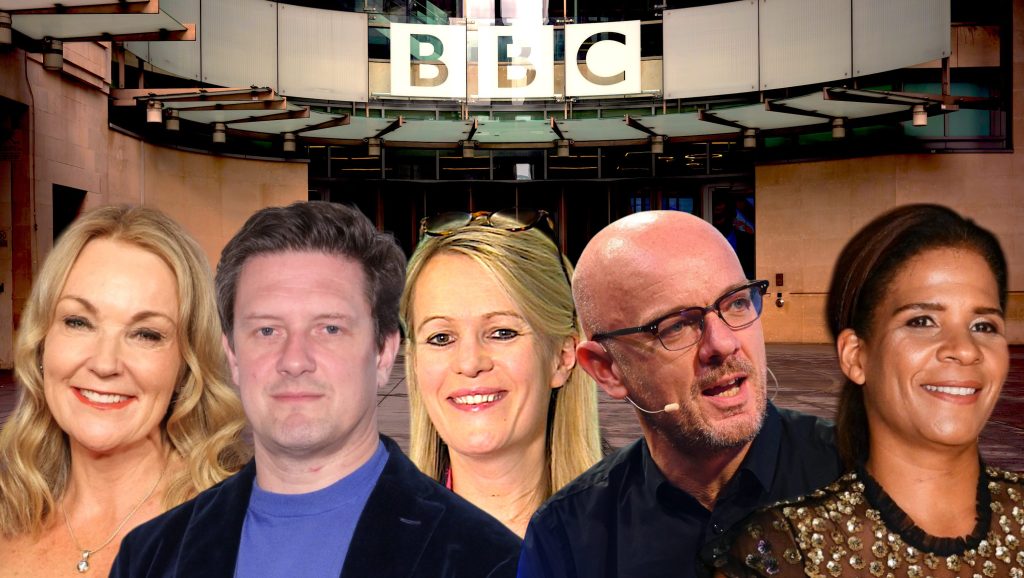
The Race for BBC’s Creative Crown: An Overview
The BBC, a cornerstone of British media, is currently witnessing a pivotal moment as the race for its top creative position heats up. This competition is not just about filling a seat but about who will seize the power seat in British television, shaping the future of one of the world’s most respected broadcasting institutions. With a legacy that encompasses groundbreaking programming, cultural influence, and a commitment to public service, the stakes are incredibly high. Industry insiders are closely watching the frontrunners, each of whom brings unique strengths and visions for the future of the BBC.
Understanding the BBC’s Creative Landscape
The BBC has long been synonymous with quality programming, from iconic dramas to innovative documentaries and compelling news coverage. However, in an age where digital platforms and streaming services dominate, the challenge for the new creative leader is multifaceted. They must navigate:
- Changing Audience Preferences: Viewers are shifting towards on-demand content, and the BBC must evolve to meet these expectations.
- Technological Advancements: The rise of streaming services like Netflix and Amazon Prime has transformed how content is produced and consumed.
- Financial Constraints: With funding often under scrutiny, the new creative leader must ensure that quality programming continues despite budgetary challenges.
These factors create a complex environment where the next creative leader must not only uphold the BBC’s esteemed legacy but also innovate to secure its future relevance in British television.
Key Candidates in the Race for the BBC’s Creative Crown
As the competition intensifies, several prominent figures have emerged as potential frontrunners for the coveted position. Each candidate brings a distinct vision and set of experiences that could redefine the BBC’s creative direction.
1. Charlotte Moore: The Insiders’ Favorite
Currently serving as the BBC’s Chief Content Officer, Charlotte Moore is a familiar name within the organization. Her extensive background in programming and her strategic vision for content have garnered her significant support. Under her leadership, the BBC has produced several hit series, including “Normal People” and “The Responder.”
Moore’s strengths include:
- Deep Understanding of BBC Culture: Having worked her way up through the ranks, she embodies the BBC’s values and mission.
- Proven Track Record: Her experience in commissioning and overseeing content has resulted in some of the BBC’s most successful projects.
- Innovative Mindset: Moore has shown a willingness to embrace new ideas and formats, crucial for attracting younger audiences.
2. Ben Stephenson: The Creative Visionary
Ben Stephenson, former Controller of BBC Drama and now a significant figure at a major production company, is known for his ambitious storytelling and creative flair. His work has been instrumental in bringing high-quality dramas to the screen, and he is widely respected for his ability to tap into contemporary issues through compelling narratives.
Stephenson’s potential contributions include:
- Creative Excellence: His reputation for producing award-winning content could elevate the BBC’s offerings.
- Industry Relationships: His extensive network could facilitate partnerships that enhance the BBC’s creative output.
- Fresh Perspectives: As an outsider, he may bring new ideas that challenge the status quo.
3. Nina Gupta: The Diversity Champion
Nina Gupta has been a vocal advocate for diversity and representation in media. Her previous roles have focused on increasing inclusivity within programming, making her an essential candidate in today’s climate where representation is paramount.
Gupta’s vision could reshape the BBC by:
- Championing Underrepresented Voices: Her commitment to diversity could lead to more inclusive storytelling.
- Enhancing Audience Engagement: By reflecting a broader range of experiences, she could attract a more diverse viewership.
- Innovative Programming: Gupta’s focus on inclusivity could inspire fresh formats and narratives that resonate with younger audiences.
The Implications of the Creative Leadership Transition
The appointment of the new creative leader will have profound implications for the BBC and its audience. Here are some key areas to consider:
1. Content Strategy
The new leader will need to redefine the BBC’s content strategy to align with the evolving media landscape. This includes:
- Balancing Traditional and New Formats: Finding the right mix of classic programming and innovative formats will be crucial.
- Leveraging Technology: Embracing digital platforms and interactive content can help engage younger viewers.
2. Audience Engagement
As media consumption habits change, understanding and engaging with the audience will be more critical than ever. The new leader must:
- Utilize Data Analytics: Analyzing viewer preferences can inform content creation and marketing strategies.
- Enhance Community Outreach: Building relationships with local communities can foster loyalty and support.
3. Financial Viability
With funding pressures looming, the new leader must prioritize financial sustainability while maintaining quality. Strategies may include:
- Exploring New Revenue Streams: Partnerships and sponsorships may provide additional funding opportunities.
- Cost Management: Streamlining operations without compromising on quality will be essential.
Conclusion: The Future of British Television
As the race for BBC’s creative crown unfolds, the future of British television hangs in the balance. Each candidate brings unique strengths and perspectives that could significantly influence the direction of the BBC. Ultimately, the chosen leader will be responsible for guiding this iconic institution through a landscape marked by rapid change and fierce competition.
With a legacy at stake, the upcoming appointment is more than just a personnel decision; it’s a defining moment that could reshape the BBC’s role in British culture and media for generations to come. As industry insiders speculate on the frontrunners, one thing is clear: the challenge ahead is monumental, and the potential for innovation and inspiration is limitless.
See more CNET Live